One Piece Dress: Elegant, Trendy & Modern Outfit Ideas in India (2026)
Finding the perfect outfit that balances comfort, style, and effortless elegance can feel impossible. Enter the one piece dress. This single garment has revolutionized the modern Indian woman’s wardrobe. Whether you are running errands in Mumbai, attending a corporate meeting in Bengaluru, or enjoying a festive dinner in Delhi, a well-chosen dress offers a complete look in seconds.
You no longer have to spend hours matching tops with bottoms. A single-piece garment provides a ready-to-wear solution that flatters every body type. From breezy cotton maxis to structured sheath silhouettes, this versatile attire bridges the gap between traditional Indian modesty and global fashion trends.
In this comprehensive guide, we will explore everything you need to know about this fashion staple. You will learn how to choose the right silhouette for your body shape, pick the best fabrics for the Indian climate, and style your outfit for any occasion.
What is a One Piece Dress?
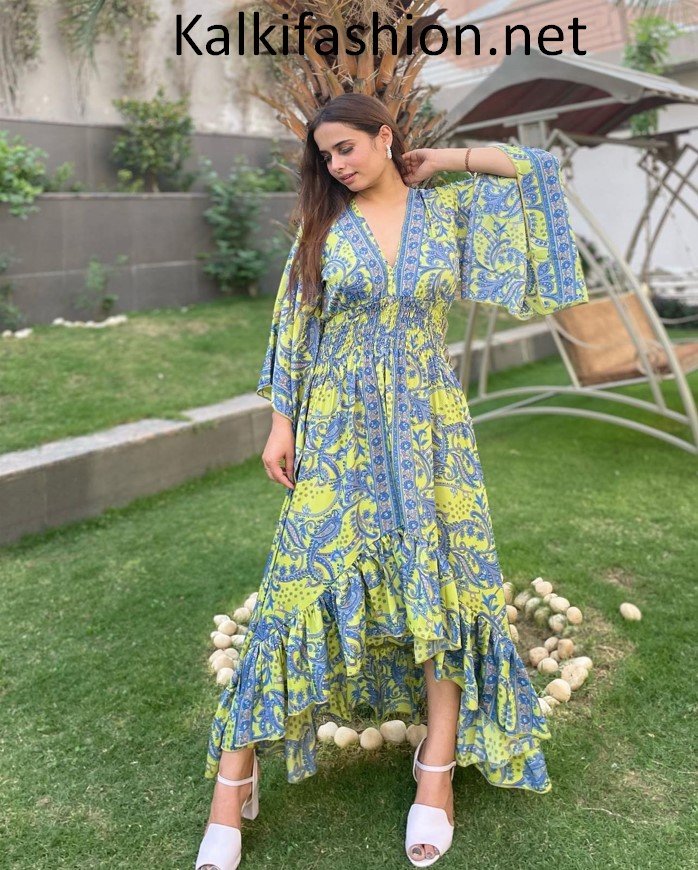
A one piece dress is a standalone garment that covers both the upper and lower body. Unlike a top paired with jeans or a skirt, this attire requires no matching. It features a bodice attached to a skirt, creating a seamless flow from the shoulders to the hemline.
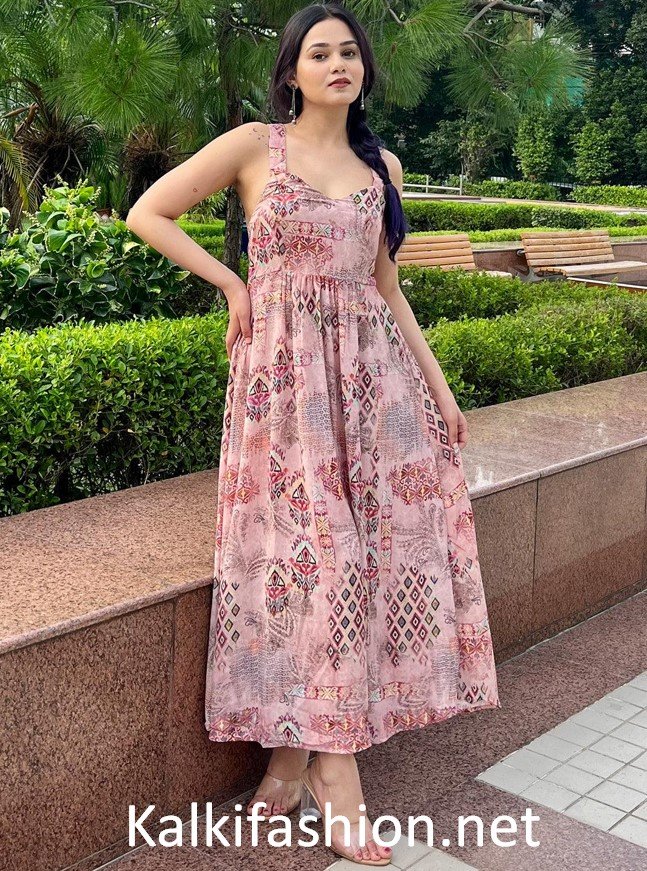
Historically, dresses were a staple of Western fashion. However, over the past decade, Indian designers and global retail brands have adapted the silhouette to suit local sensibilities. Today, you will find options featuring traditional Indian prints like Kalamkari, Ikat, and Block Prints, blending Western structure with Indian heritage.
Why Every Indian Woman Needs a One Piece Dress
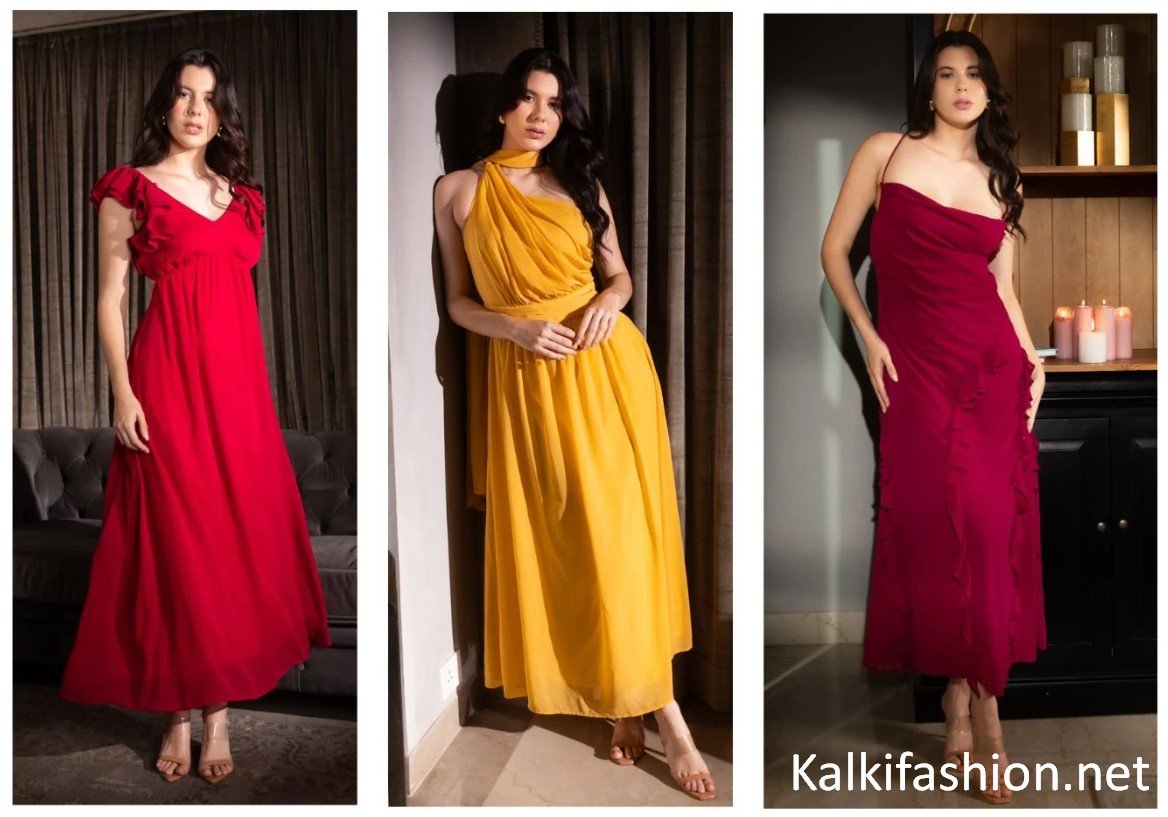
The modern lifestyle demands fashion that is both practical and stylish. Here is why this garment deserves a prime spot in your closet:
- Effortless Styling: You avoid the morning struggle of matching separates. Just slip it on, add footwear, and you are ready.
- Climate Friendly: India’s humid summers require breathable clothing. A loose, flowy dress allows air circulation, keeping you cool.
- Incredible Versatility: A simple midi dress transitions smoothly from a morning coffee run to an evening dinner date simply by swapping sneakers for heels.
- Cost-Effective: Buying a single, high-quality garment is often cheaper than purchasing a top, bottom, and matching dupatta separately.
- Travel Ready: Dresses take up minimal space in your luggage and require less ironing compared to complex multi-piece outfits.
Top Styles of One Piece Dresses
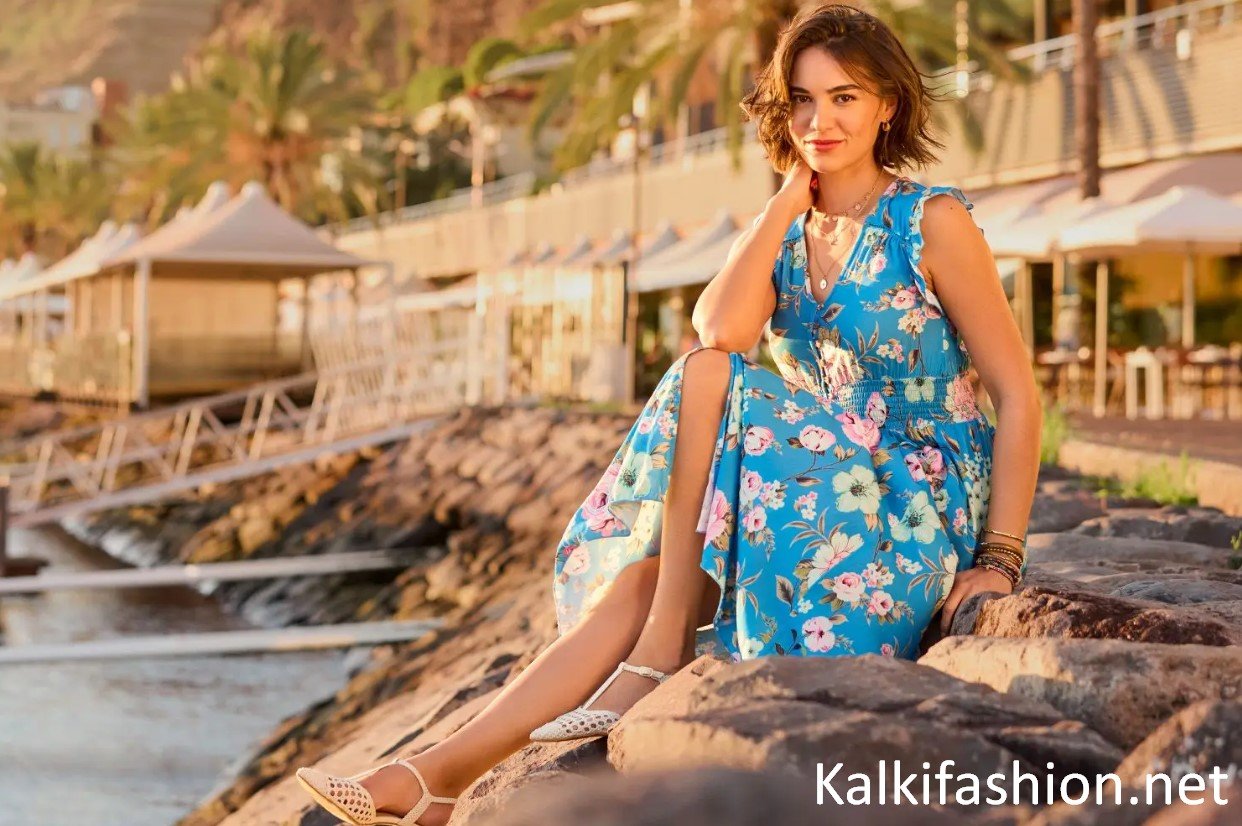
Fashion is never one-size-fits-all. Depending on where you are going, different styles serve different purposes.
Casual and Everyday Wear
When comfort is your main priority, casual silhouettes are your best friend.
- The T-Shirt Dress: Imagine your favorite, softest t-shirt extended to your knees. This relaxed fit is perfect for grocery shopping, casual lunches, or lounging at home.
- The Maxi Dress: Flowing down to the ankles, the maxi is a weekend favorite. It provides full coverage while remaining incredibly breezy, making it ideal for beach vacations in Goa or Sunday brunches.
- The Skater Dress: Fitted at the waist and flared at the bottom, this playful silhouette ends above the knee. It brings a youthful energy to your everyday look.
Office and Workwear
Workwear in India is evolving. While traditional wear remains popular, structured dresses project immense confidence in the boardroom.
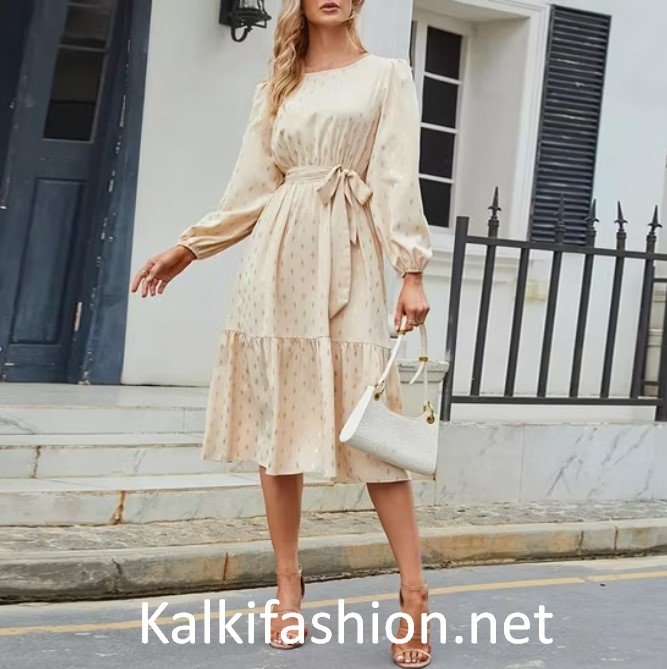
- The Sheath Dress: This form-fitting style falls straight from the shoulders to the knees. It offers a sharp, tailored look perfect for corporate presentations.
- The Shirt Dress: Borrowing elements from a classic button-down shirt, complete with a collar and cuffed sleeves, this style often features a tie-waist. It strikes the perfect balance between professional and comfortable.
- The Wrap Dress: Created by crossing one side of the fabric over the other and tying it at the waist, the wrap dress is globally recognized as the ultimate professional yet feminine garment.
Party and Evening Wear
When the sun goes down, your outfit should turn heads.
- The Bodycon Dress: Short for “body-conscious,” this dress hugs your curves tightly. It is made from stretchy materials and is the go-to choice for clubbing or cocktail parties.
- The Slip Dress: Made from luxurious fabrics like satin or silk, the slip dress features thin spaghetti straps. It looks incredibly elegant for romantic dinners.
- The Sequin Gown: For glamorous events or New Year’s Eve parties, a floor-length gown adorned with sequins guarantees you remain the center of attention.
Ethnic and Indo-Western Fusion
Indian fashion excels at fusion. These dresses combine global cuts with desi aesthetics.
- The Kurta Dress: A long, flared kurta worn without bottoms. Often featuring traditional embroidery or mirror work, it serves as a stunning daytime dress.
- The Anarkali Maxi: Taking the massive flare of a traditional Anarkali suit and removing the dupatta and churidar creates a majestic, floor-length dress perfect for festive gatherings.
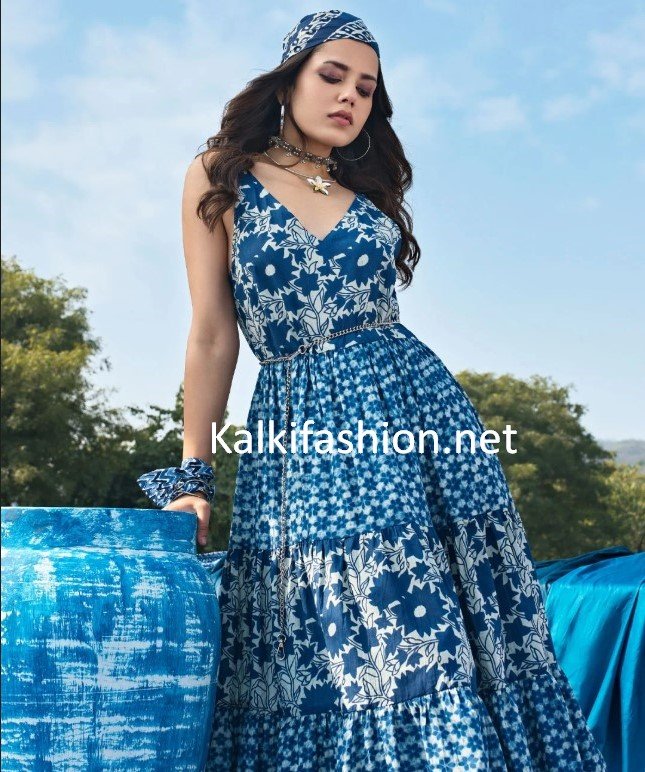
- The Tiered Boho Dress: Featuring multiple horizontal layers (tiers) in vibrant Indian block prints, this style is heavily favored for art festivals and creative workspaces.
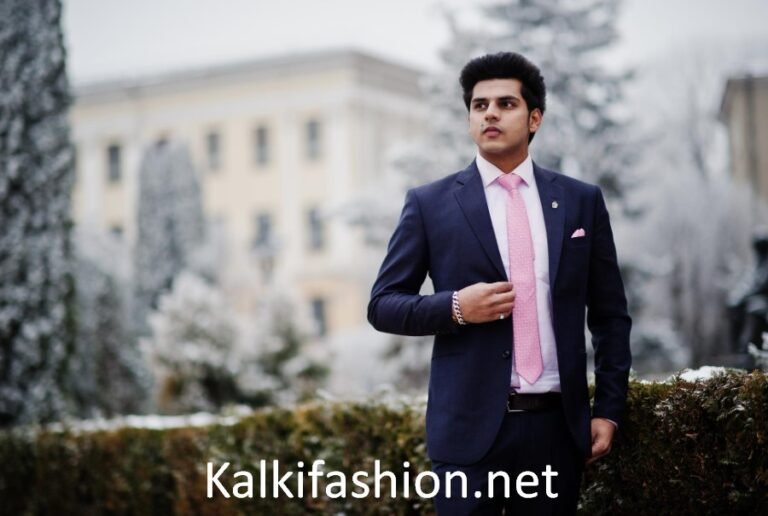
Read More: Formal Dress for Men
How to Choose the Perfect Dress for Your Body Type

Understanding your body shape is the secret to looking flawless. The right one piece dress will highlight your best features while offering comfort.
1. Pear Shape (Wider hips and thighs, narrower shoulders)
If you carry your weight in your lower body, your goal is to draw attention upward.
- Best Styles: A-line dresses, fit-and-flare styles, and dresses with statement sleeves or embellished necklines.
- What to Avoid: Tight bodycon dresses that emphasize the hips.
2. Apple Shape (Broader shoulders and torso, slimmer legs)
If you carry your weight around your midsection, focus on highlighting your legs and creating a defined waistline.
- Best Styles: Wrap dresses, empire waist dresses (where the waistline sits just under the bust), and shift dresses.
- What to Avoid: Clingy fabrics and thick belts around the natural waist.
3. Hourglass Shape (Balanced bust and hips, defined waist)
If your bust and hips are roughly the same size with a narrow waist, you want to highlight your natural curves.
- Best Styles: Bodycon dresses, wrap dresses, and tailored sheath styles.
- What to Avoid: Oversized, shapeless tent dresses that hide your waistline.
4. Rectangle Shape (Straight figure, minimal waist definition)
If your bust, waist, and hips have similar measurements, you want to create the illusion of curves.
- Best Styles: Peplum dresses, belted shirt dresses, and dresses with ruffles or pleats.
- What to Avoid: Completely straight, boxy silhouettes.
5. Inverted Triangle Shape (Broad shoulders, narrow hips)
If your upper body is wider than your lower body, your goal is to add volume to your lower half to balance your shoulders.
- Best Styles: Skater dresses, tiered maxi dresses, and V-necklines that soften the shoulder area.
- What to Avoid: Puffed sleeves and boat necklines.
Best Fabrics for the Indian Climate
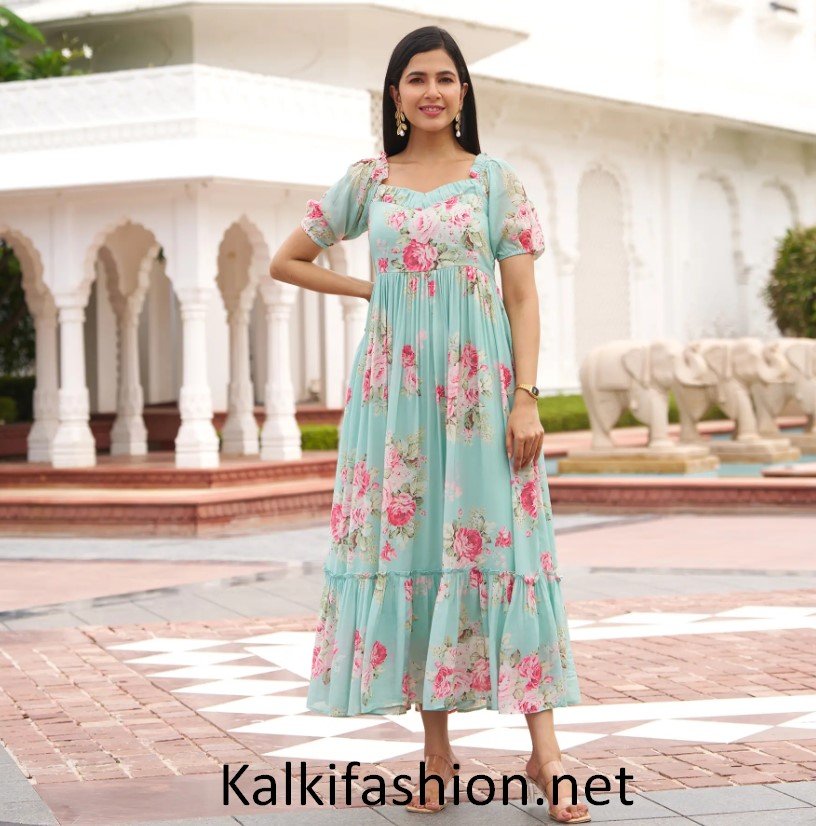
India experiences extreme weather, from scorching summers to heavy monsoons and mild winters. Choosing the right fabric is just as important as choosing the right style.
- Cotton: The undisputed king of Indian summers. Cotton is highly breathable, absorbs sweat easily, and prevents skin rashes. Cotton dresses are perfect for daily wear.
- Linen: Slightly heavier than cotton but incredibly airy. Linen has a natural, textured look that wrinkles easily, giving off a relaxed, wealthy vibe.
- Georgette & Chiffon: These lightweight, sheer fabrics drape beautifully. They do not cling to the body, making them excellent choices for party wear and flowy maxi dresses.
- Rayon: A semi-synthetic fiber that feels softer than cotton and drapes like silk. It is highly affordable and widely used for fast-fashion casual dresses.
- Silk & Chanderi: Reserved for festive wear and winter months. These rich fabrics offer a luxurious sheen and hold structural embroidery exceptionally well.
Expert Styling Tips: Elevate Your Look
A dress provides a blank canvas. How you accessorize it determines the final vibe. Here is how to style your one piece dress like a fashion expert.
Choosing the Right Footwear
- For Casual Outings: Pair a t-shirt or skater dress with pristine white sneakers. It is comfortable, trendy, and perfect for walking.
- For Office Wear: A sheath or shirt dress looks best with closed-toe pumps, loafers, or smart mules.
- For Indian Ethnic Fusion: Pair your Kalamkari or block-print maxi with traditional embroidered Juttis or Kolhapuri chappals.
- For Evening Parties: Strappy stilettos or block heels instantly elevate a slip dress or bodycon outfit.
Mastering Accessories
- Belts: Adding a broad belt over a loose maxi or shirt dress instantly cinches your waist and adds structure.
- Jewelry: If your dress has a deep neckline, wear a delicate pendant. If you are wearing a high-neck fusion dress, skip the necklace and opt for heavy silver Jhumkas or statement earrings.
- Bags: Carry a structured tote bag for work, a woven straw bag for beach vacations, and a metallic clutch for evening events.
The Art of Layering
Layering adds depth to your outfit and helps you adapt to changing temperatures, like freezing office air conditioning.
- Denim Jackets: Throw a cropped denim jacket over a floral maxi dress for a classic, youthful look.
- Blazers: Layering a sharp blazer over a sheath dress creates a powerful, boss-lady aesthetic.
- Ethnic Shrugs: Pair a solid-colored midi dress with an embroidered, mirror-work waist coat or long shrug for instant festive vibes.
Comparison: One Piece Dress vs. Two-Piece Sets
Are you torn between buying a dress or a matching co-ord set? Here is a quick breakdown to help you decide.
| Feature | One Piece Dress | Two-Piece Set (Co-ords) |
| Styling Effort | Zero effort. Slip it on and go. | Requires matching the top and bottom. |
| Versatility | High. One garment works for the whole look. | Very High. Tops and bottoms can be mixed with other clothes. |
| Comfort | Superior, especially flowy styles with no waistbands. | Depends on the waistband of the trousers/skirt. |
| Professionalism | Extremely polished (Sheath, Wrap styles). | Trendy, but can sometimes look too casual for strict offices. |
| Cost | Usually more affordable (buying one item). | Can be more expensive (buying two items). |
Pros and Cons of Wearing a One Piece Dress
Like any clothing item, this garment has its benefits and drawbacks.
Pros:
- Time-Saving: Reduces decision fatigue in the morning.
- Flattering: With the right cut, it hides problem areas and highlights assets effortlessly.
- Breezy: Ideal for hot weather, preventing the sweat accumulation that happens with tight trousers.
- Maternity Friendly: Empire waist and A-line styles make excellent, comfortable maternity wear.
Cons:
- Bathroom Logistics: Rompers and jumpsuits (close cousins of the dress) can be difficult to take off in public restrooms, though standard dresses are fine.
- Wind Issues: Short, flared skater dresses can be risky on windy days.
- Chafing: In hot Indian summers, wearing a dress without tights underneath can lead to thigh chafing. (Pro tip: Wear anti-chafing slip shorts underneath!)
Care and Maintenance Guide
To ensure your garments last longer and maintain their vibrant colors, follow these care instructions:
- Read the Label: Always check the manufacturer’s tags. Silk and Chanderi usually require dry cleaning.
- Cold Water Wash: For everyday cotton and rayon dresses, wash in cold water to prevent shrinking and color bleeding.
- Inside Out: Turn embellished or printed dresses inside out before throwing them in the washing machine to protect the surface.
- Avoid Direct Sunlight: Dry your brightly colored dresses in the shade. Intense Indian sunlight will fade the fabric quickly.
- Proper Storage: Hang structured dresses (like sheath or blazers dresses) on wooden hangers to maintain their shape. Fold heavy, embellished gowns to prevent the straps from stretching out under the weight.
Frequently Asked Questions (FAQs)
1. Can I wear a one piece dress to an Indian wedding?
Yes, absolutely! Opt for fusion gowns, floor-length Anarkali dresses, or silk maxis with Zari work. Pair them with heavy traditional jewelry and a clutch to match the festive wedding vibe.
2. How long should a midi dress be?
A standard midi dress should end halfway between your knee and your ankle. It is a universally flattering length that looks elegant and provides comfortable coverage.
3. What can I wear under a dress to prevent thigh chafing?
Thigh chafing is common in humid weather. The best solution is to wear lightweight, breathable slip shorts (often called biker shorts) underneath your dress.
4. Can short women wear maxi dresses?
Yes. Petite women should look for solid colors or small prints, which create a continuous vertical line. Pair the maxi with wedges or block heels to add height, and ensure the hemline does not drag on the floor.
5. How do I make a casual dress look professional?
Add structure. Layer a well-fitted blazer over the dress, swap casual sandals for closed-toe pumps, tie your hair in a neat bun, and add a sleek leather tote bag.
6. Are wrap dresses suitable for plus-size women?
Wrap dresses are widely considered the most flattering silhouette for plus-size figures. They naturally cinch the smallest part of the waist, define the bust with a V-neck, and skim over the hips comfortably.
7. Which fabric is best for daily wear in summer?
Pure cotton is the best fabric for daily wear in the summer. It allows your skin to breathe, absorbs moisture, and is easy to wash and maintain.
8. Is a t-shirt dress too casual for a date?
A plain t-shirt dress is quite casual. However, you can elevate it for a casual coffee date by adding a denim jacket, a stylish crossbody bag, and clean white sneakers. For a dinner date, opt for a slip dress or bodycon instead.
9. How do I hide a belly in a dress?
Choose empire waistline dresses, where the fabric flares out right below the bust. A-line dresses and wrap dresses are also excellent at gently skimming over the midsection without clinging to it.
10. What type of bra should I wear with a backless or halter dress?
For backless dresses, use adhesive silicone bras or nipple covers. For halter necks, opt for a convertible bra with straps that can cross at the back or be removed entirely.
Conclusion
The one piece dress is much more than just a fleeting fashion trend; it is a permanent, powerful staple in the modern Indian wardrobe. By eliminating the stress of matching separates, this garment allows you to look put-together and polished in mere minutes.
Whether you are navigating a busy workday, relaxing on a weekend getaway, or attending a glamorous evening event, there is a silhouette perfectly tailored for the occasion. By understanding your body type, selecting climate-appropriate fabrics, and mastering the art of accessorizing, you can transform a simple piece of fabric into a stunning style statement.
Embrace the comfort, experiment with different layers, and most importantly, wear your dress with confidence. Fashion is about expressing your unique personality, and there is no easier canvas than a beautifully fitted single-piece garment.