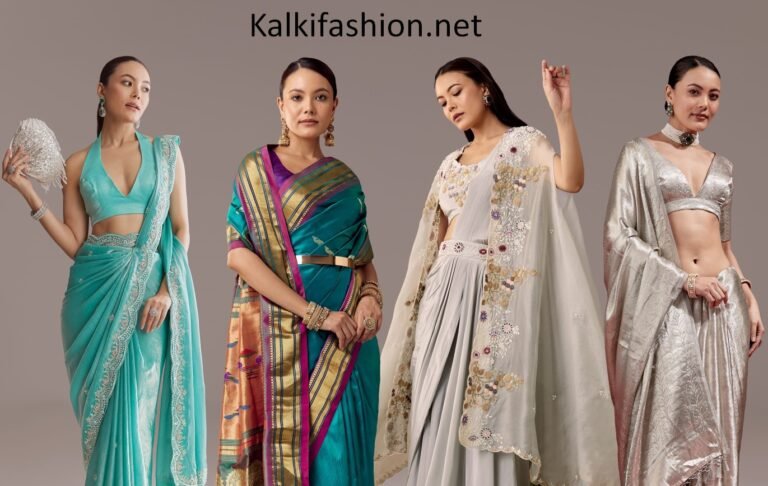
Trending Silk Saree Designs for Every Occasion in India
The silk saree is much more than a piece of clothing. In India, it is a canvas of cultural heritage, a symbol of grace, and a cherished family heirloom. For generations, women have adorned these luminous drapes during weddings, festivals, and monumental life events.
Whether you are a bride searching for the perfect Kanjeevaram, a fashion enthusiast looking to buy a lightweight Mysore silk, or simply someone wanting to understand the rich history of Indian handlooms, you are in the right place.
This comprehensive guide covers everything you need to know about the pure silk saree. We will explore its regional variations, teach you how to spot a fake, and provide expert tips on styling and maintenance.
Read More: One Piece Dress: Elegant, Trendy & Modern Outfit Ideas in India
Why the Silk Saree is the Crown Jewel of Indian Ethnic Wear
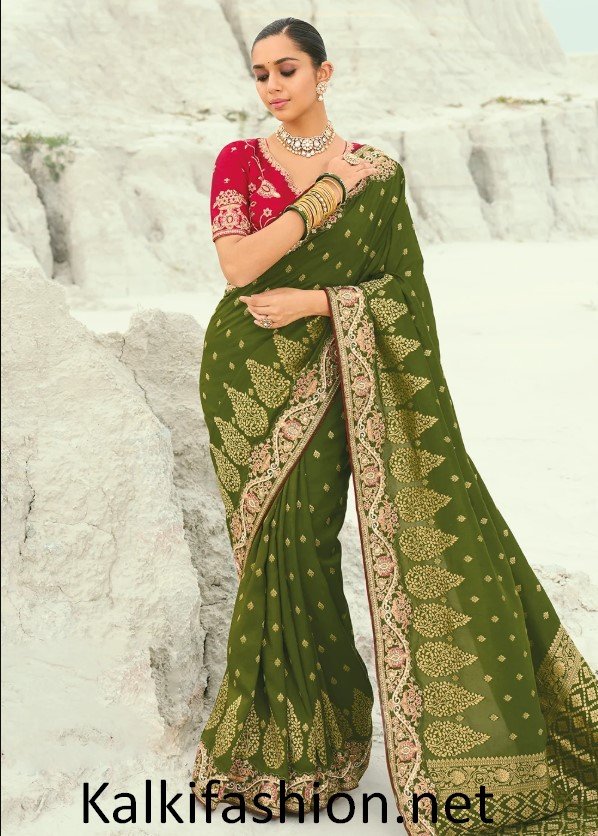
India is the second-largest producer of silk in the world. The country produces four main commercial varieties: Mulberry, Tussar, Eri, and Muga.
Historically, royalty patronized silk weavers to create exclusive designs featuring real gold and silver threads. Today, the handloom silk saree remains a staple in the Indian wardrobe. Its natural sheen, breathable texture, and ability to hold vibrant dyes make it visually stunning. Furthermore, its versatility allows it to flatter every body type. The six to nine yards of unstitched fabric adapts gracefully to the wearer, making it a truly inclusive garment.
Popular Types of Silk Sarees in India
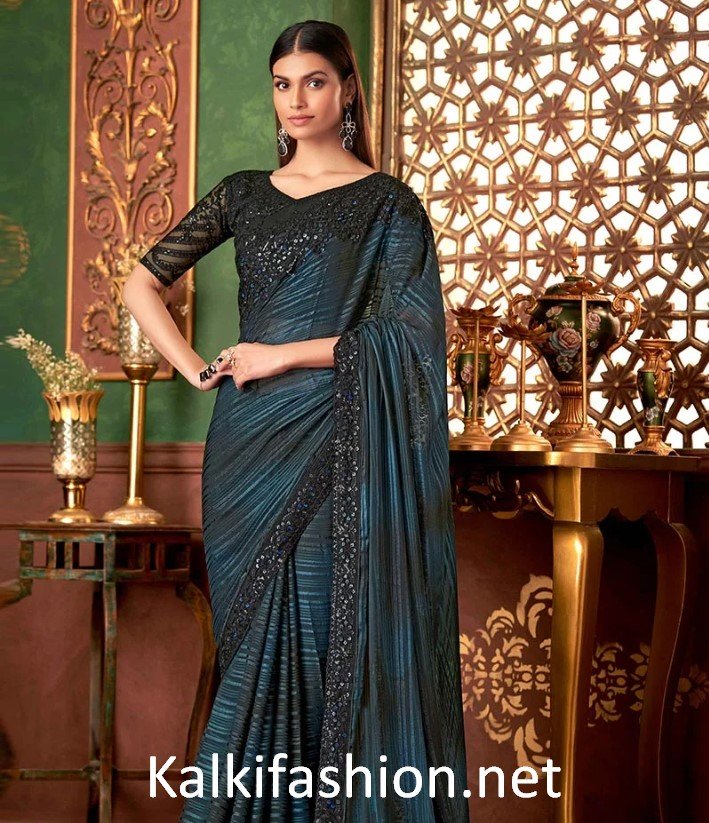
India’s geography heavily influences its textile production. Every region boasts its own distinct weaving style, motifs, and fabric texture. Here are the most celebrated types of silk sarees.
Banarasi Silk (Uttar Pradesh)
Hailing from the ancient city of Varanasi, the Banarasi silk saree is famous for its opulent gold and silver brocade or zari work. Mughal art heavily influences the motifs, often featuring intricate intertwining floral and foliate designs, kalga (paisley), and bel (creepers).
- Best for: North Indian brides, winter weddings, and grand receptions.
- Key Feature: Heavy weight, metallic visual appeal, and dense weaving.
Kanchipuram or Kanjeevaram Silk (Tamil Nadu)
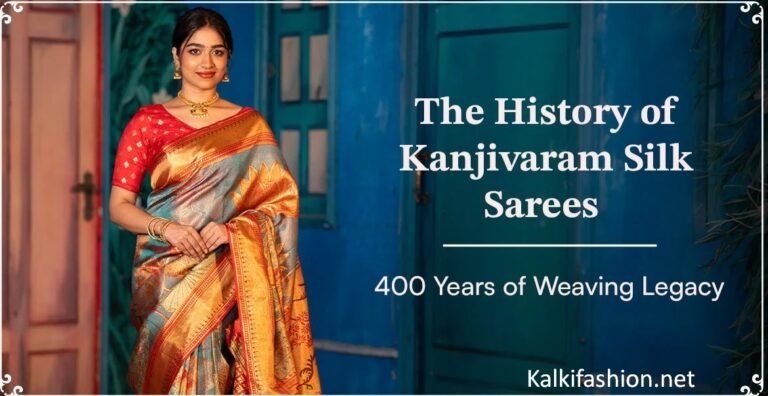
Often called the “South Indian Banarasi,” the Kanchipuram silk saree is woven from pure mulberry silk. Weavers use a unique technique where the body and border are woven separately and interlocked later. The motifs draw inspiration from South Indian temple architecture, nature, and mythology.
- Best for: South Indian weddings, religious ceremonies, and traditional festivals.
- Key Feature: Highly durable, contrasting borders, and rich, heavy fabric.
Mysore Silk (Karnataka)
If you prefer minimalism, Mysore silk is your best choice. Produced by the Karnataka Silk Industries Corporation (KSIC), these drapes are known for their incredibly smooth texture, vibrant solid colors, and simple, elegant pure gold zari borders.
- Best for: Corporate events, intimate pujas, and evening parties.
- Key Feature: Lightweight, non-crushable, and subtle elegance.
Tussar Silk (Eastern India)
Primarily produced in Bihar, Jharkhand, and West Bengal, Tussar silk (or wild silk) stands out due to its rich, natural gold sheen and textured feel. It is less lustrous than mulberry silk but highly breathable. Artisans often decorate these with tribal Kantha stitches or Madhubani paintings.
- Best for: Office wear, daytime events, and artistic gatherings.
- Key Feature: Coarse texture, dull gold hue, and cooling properties.
Assam Silk (Muga and Eri)
Assam produces the incredibly rare Muga silk, renowned for its glossy, yellowish-gold tint that actually becomes more lustrous with every wash. It is highly expensive and often passed down through generations. Eri silk, on the other hand, is known as “ahimsa silk” or peace silk because weavers extract it without killing the silkworm.
- Best for: Heritage collections, high-end traditional events.
- Key Feature: Muga’s natural golden tint and Eri’s wool-like warmth.
Patola Silk (Gujarat)
Woven in Patan, Gujarat, the Patola saree uses a complex double ikat technique. Weavers resist-dye both the warp and weft threads before weaving them together to create flawless geometric patterns. A genuine Patola can take up to a year to weave.
- Best for: Trousseaus, luxury collectors, and elite social events.
- Key Feature: Identical design on both sides of the fabric, highly expensive.
Paithani Silk (Maharashtra)
Known as the “Queen of Silks” in Maharashtra, the Paithani saree is characterized by borders of an oblique square design and a pallu (the loose end of the saree) featuring peacock, parrot, or lotus motifs.
- Best for: Maharashtrian weddings and Gudi Padwa celebrations.
- Key Feature: Kaleidoscopic colors achieved by using one color for weaving lengthwise and another for weaving widthwise.
Pure Silk vs. Art Silk: A Comparison Table
The market is flooded with synthetic replicas known as art silk (artificial silk or rayon/polyester). If you want to invest in a genuine product, you must know how to differentiate between the two.
| Feature | Pure Silk Saree | Art Silk Saree |
| Material Source | Natural protein fiber from silkworms. | Synthetic fibers (polyester, rayon). |
| Price | High (Starts at ₹3,000 to over ₹1,00,000). | Low (Often under ₹1,500). |
| Burn Test Result | Smells like burning hair; leaves crisp, crushable ash. | Smells like burning plastic; leaves hard, melted beads. |
| Luster and Sheen | Rich, subtle, and natural glow that changes in the light. | Overly shiny, uniform, and metallic gloss. |
| Breathability | High. Adapts to body temperature (cool in summer). | Low. Traps heat and causes sweating. |
| Weight | Generally heavier (depending on the type). | Very light and slippery. |
| Durability | Lasts for decades if maintained properly. | Prone to tearing, fading, and static cling. |
The Art of Weaving: How Handloom Silk is Made
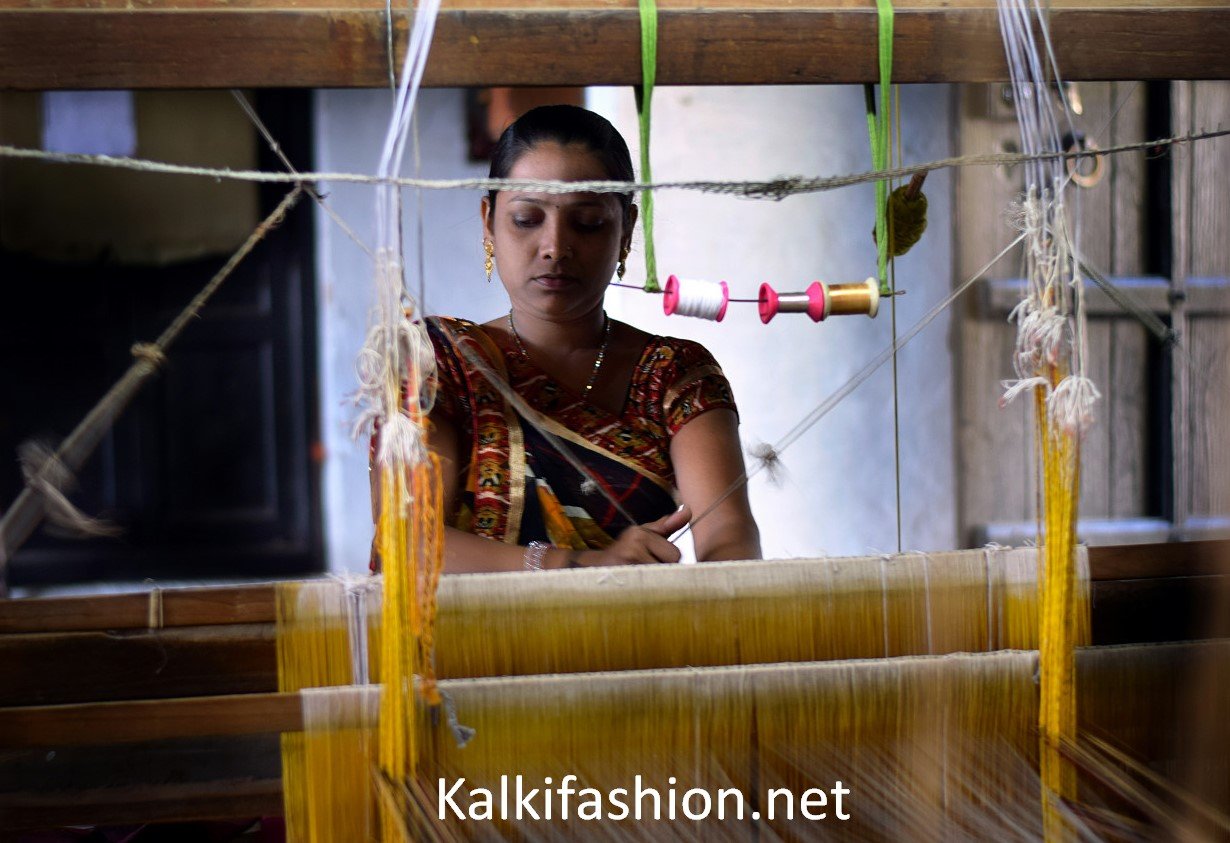
Understanding the effort behind a handloom silk saree justifies its premium price tag. The journey from thread to loom is a labor-intensive process requiring exceptional skill.
- Silk Extraction: Farmers harvest cocoons and extract raw silk threads.
- Twisting and Dyeing: Weavers twist multiple threads together for strength, then boil them to remove the natural gum (sericin). Next, they dip the yarn in boiling vats of natural or chemical dyes.
- Setting the Warp: Artisans stretch hundreds of threads onto a large frame. This forms the warp (lengthwise threads).
- Designing the Jacquard: For intricate motifs like those in a Banarasi, designers create punch cards for the Jacquard loom, dictating exactly where the weft (crosswise thread) should weave in and out.
- Weaving: The weaver sits at the pit loom, throwing the shuttle back and forth to interlace the threads. A single handwoven Kanchipuram can take anywhere from 10 days to a month to complete.
How to Choose the Perfect Silk Saree for Every Occasion
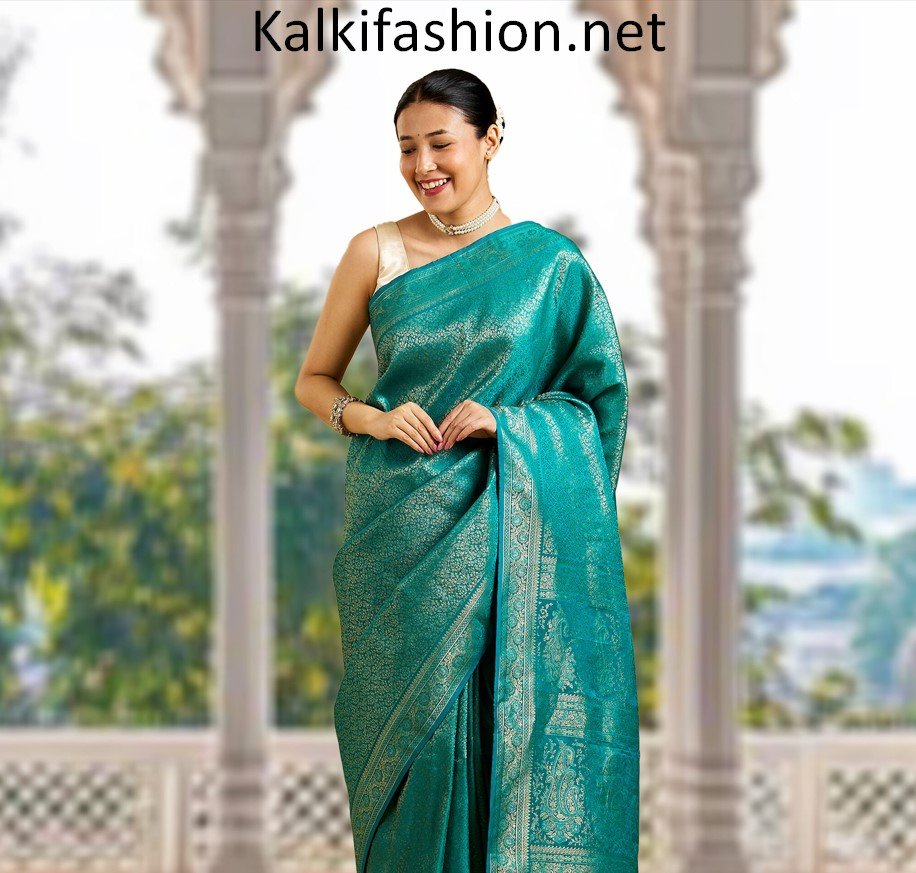
Selecting the right drape depends heavily on the event, the weather, and your personal style.
Bridal and Wedding Wear
Brides should look for grandeur and tradition.
- Top Picks: Heavy Kanchipuram, Banarasi brocade, or a rich Paithani.
- Color Palette: Classic reds, maroons, vibrant pinks, and gold tissues.
- Tip: Choose a saree with pure silver zari plated with gold for investment value.
Office and Corporate Wear
Workplace attire demands comfort, subtle elegance, and ease of movement.
- Top Picks: Mysore silk, Tussar silk, or Chanderi silk.
- Color Palette: Earthy tones, pastels, deep blues, and monochrome shades.
- Tip: Avoid heavy borders. Stick to small motifs or solid colors with minimalist jewelry.
Festivals and Pujas
Festivals require a balance of tradition and mobility.
- Top Picks: Soft silks, Baluchari, or Maheshwari silk.
- Color Palette: Auspicious colors like yellow, green, orange, and vermillion.
- Tip: Opt for lightweight drapes that allow you to comfortably sit on the floor or manage household tasks.
Pros and Cons of Owning a Silk Saree
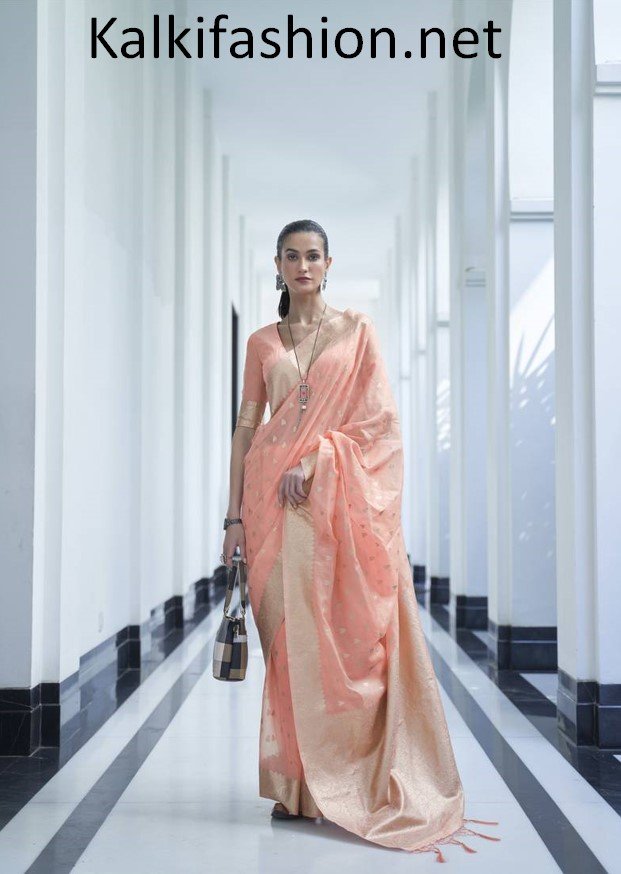
Before making a substantial investment, it is important to weigh the advantages and drawbacks.
Pros:
- Unmatched Elegance: No other fabric matches the natural, regal drape of pure silk.
- Longevity: A well-maintained handloom piece can easily last across multiple generations.
- Biodegradable: Being a natural protein fiber, it is highly eco-friendly compared to synthetic alternatives.
- Resale and Heirloom Value: Sarees with real gold/silver zari appreciate in value over time.
Cons:
- High Maintenance: You cannot machine-wash them; they require strict dry-cleaning and careful storage.
- Cost: Authentic pieces are expensive.
- Vulnerability: They are prone to moth attacks and color fading if exposed to direct sunlight for long periods.
Expert Tips to Style Your Silk Saree
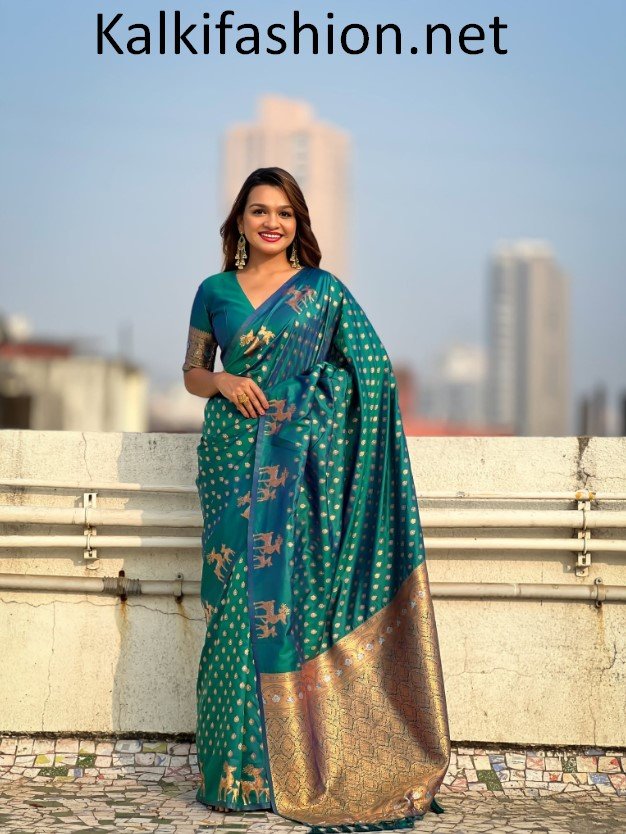
A beautiful drape can look even better with the right styling. Modern fashion has revolutionized how we wear this traditional garment.
- Experiment with Blouses: Move away from standard matching blouses. Pair your saree with contrasting colors, brocade crop tops, halter necks, or even a crisp white collared shirt for a contemporary fusion look.
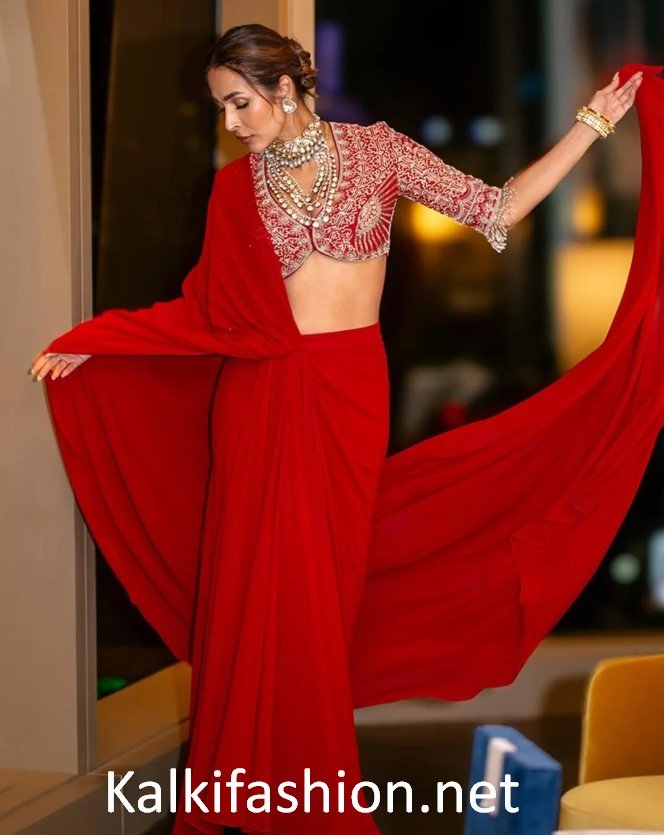
- Add a Belt (Kamarbandh): Cinching your waist with an embellished fabric belt or a traditional gold waist chain adds structure to the drape and keeps the pleats securely in place.
- Try Different Drapes: You do not have to stick to the standard Nivi style. Try the Gujarati drape (front pallu), the Bengali drape (without pleats), or drape it over a pair of tailored trousers for a modern twist.
- Jewelry Pairing: Heavy Banarasi sarees pair beautifully with Kundan or Polki jewelry. For South Indian Kanchipuram silks, opt for traditional temple jewelry or antique gold pieces.
- Footwear Matters: Always wear your heels before you start pleating and draping. This ensures the hemline falls perfectly just above the floor.
How to Maintain and Store Your Silk Saree
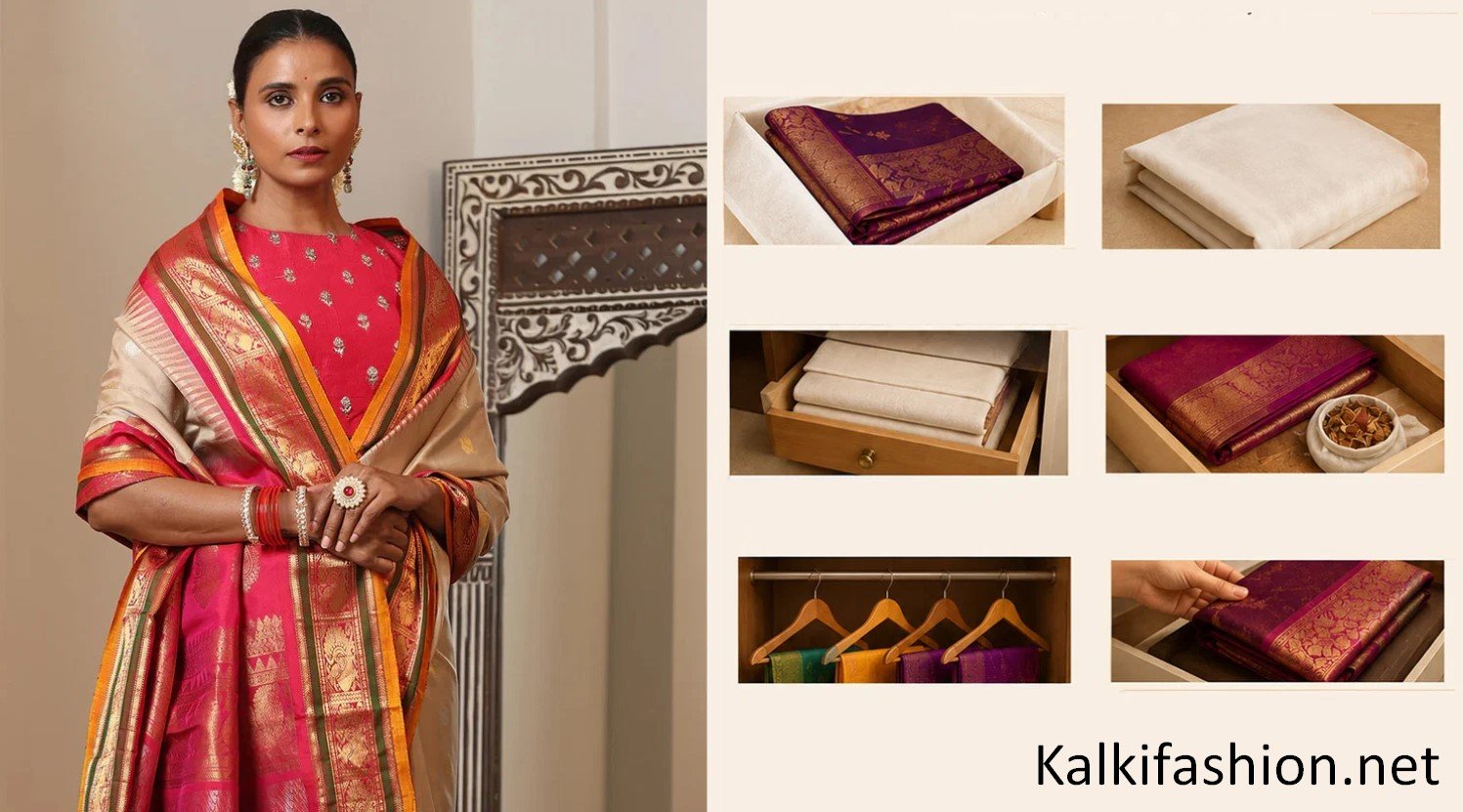
Proper care is the secret to ensuring your heirloom outlives you. Follow these golden rules for fabric maintenance.
- Strictly Dry Clean Only: Never wash heavy pure silks at home. The harsh chemicals in regular detergents will strip the fabric of its natural luster and damage the zari.
- The Folding Rule: Do not hang your heavy silk sarees on wire hangers, as they will stretch and tear at the folds. Fold them neatly and store them flat. Crucially, change the folds every three to six months to prevent the fabric from tearing along the crease lines.
- Breathable Storage: Wrap the saree in a clean, unbleached cotton or muslin cloth. Do not use plastic covers, as silk needs to breathe. Plastic traps moisture, leading to fungal growth and foul odors.
- Natural Repellents: Avoid keeping naphthalene balls directly touching the fabric, as they can discolor the gold zari. Instead, place dried neem leaves or silica gel pouches in the corners of your wardrobe to keep moths and moisture at bay.
- Airing Out: Take your sarees out of the closet twice a year and let them breathe in a shaded, well-ventilated room. Never expose them to direct, harsh sunlight.
What is the Price of a Genuine Silk Saree?
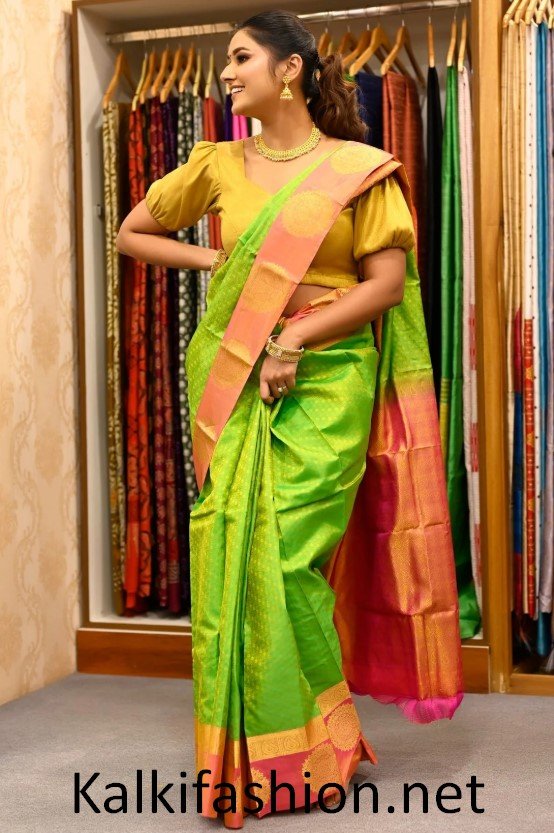
Pricing varies wildly based on the purity of the yarn, the complexity of the weave, and the authenticity of the zari.
- Entry-Level (₹3,000 – ₹7,000): These are usually lightweight silks, mixed silks, or sarees made on power looms rather than handlooms.
- Mid-Range (₹8,000 – ₹25,000): This range covers authentic handloom pieces like pure Mysore silk, medium-weight Kanchipurams, and standard Banarasi silks with tested (imitation) zari.
- Premium & Bridal (₹30,000 – ₹1,50,000+): These are heavyweight, exclusive bridal pieces featuring intricate motifs, double warp techniques, and pure silver threads dipped in 24-karat gold. Rare weaves like genuine Patola can easily cross the ₹1 lakh mark.
Always ask for a Silk Mark tag when purchasing. The Silk Mark Organization of India issues this certification to guarantee that the product uses 100% natural silk.
Frequently Asked Questions (FAQs)
1. How can I tell if a silk saree is pure?
The most reliable method is the burn test. Pluck a few loose threads from the edge and burn them. Pure silk burns slowly, smells like burnt hair, and leaves a powdery ash. Fake silk melts, smells like burning plastic, and forms a hard bead.
2. Can I wash my silk saree at home?
It is highly recommended to dry clean them. However, for plain, lightweight silks (without heavy zari), you can hand wash them in cold water using a mild baby shampoo. Never wring or twist the fabric.
3. Which city is famous for silk sarees in India?
Multiple cities are famous. Varanasi (UP) is known for Banarasi, Kanchipuram (Tamil Nadu) for Kanjeevaram, and Mysore (Karnataka) for Mysore silk.
4. What is a GI Tag in sarees?
A Geographical Indication (GI) tag is an intellectual property right given to products originating from a specific geographical area, possessing qualities native to that region. Authentic Kanchipuram, Banarasi, and Mysore silks all have GI tags.
5. How long does a pure silk saree last?
If stored in muslin cloth, kept away from moisture, and refolded every few months, a high-quality handloom piece can easily last 50 to 100 years.
6. Why are handloom sarees more expensive than power loom ones?
Handloom sarees are woven manually by artisans, a process that can take weeks or months. They feature intricate, flawless detailing. Power loom sarees are mass-produced by machines in a matter of hours.
7. Does pure silk shrink?
Yes, pure natural silk can shrink slightly if exposed to hot water or high heat in a dryer. This is why cold washing or dry cleaning is mandatory.
8. What is ‘Ahimsa’ or Peace Silk?
Traditional silk extraction involves boiling the cocoons with the silkworm inside. Ahimsa silk (like Eri silk) is produced by allowing the moth to hatch and leave the cocoon before the silk fibers are harvested.
9. Can I iron my silk saree?
Yes, but never apply a hot iron directly to the fabric. Use the lowest heat setting (the “silk” setting on your iron). Always place a thin cotton cloth between the iron and the saree, and iron on the reverse side to protect the sheen and zari.
10. What is the difference between a motif and a border?
The border runs along the edges of the drape, providing structure and weight. Motifs are the individual, recurring designs (like paisleys, lotuses, or peacocks) woven into the main body (the field) of the fabric.
Conclusion
The silk saree remains an undisputed masterpiece of Indian textiles. From the heavy, regal drapes of a Banarasi brocade to the sheer, breathable elegance of a Tussar, there is a weave perfectly suited for every woman and every occasion.
Investing in a pure handloom saree is not just a fashion choice; it is a commitment to preserving ancient artistry and supporting the weaver communities that keep these traditions alive. By knowing how to identify genuine silk, choosing the right regional variety, and following strict care protocols, you ensure that your beautiful drape will remain a cherished heirloom for decades to come.
Whether you are draping it for a board meeting, styling it with modern jewelry for a festive party, or wearing it as a radiant bride, the pure silk saree promises one thing: you will always look effortlessly timeless.
Read More: Formal Dress for Men