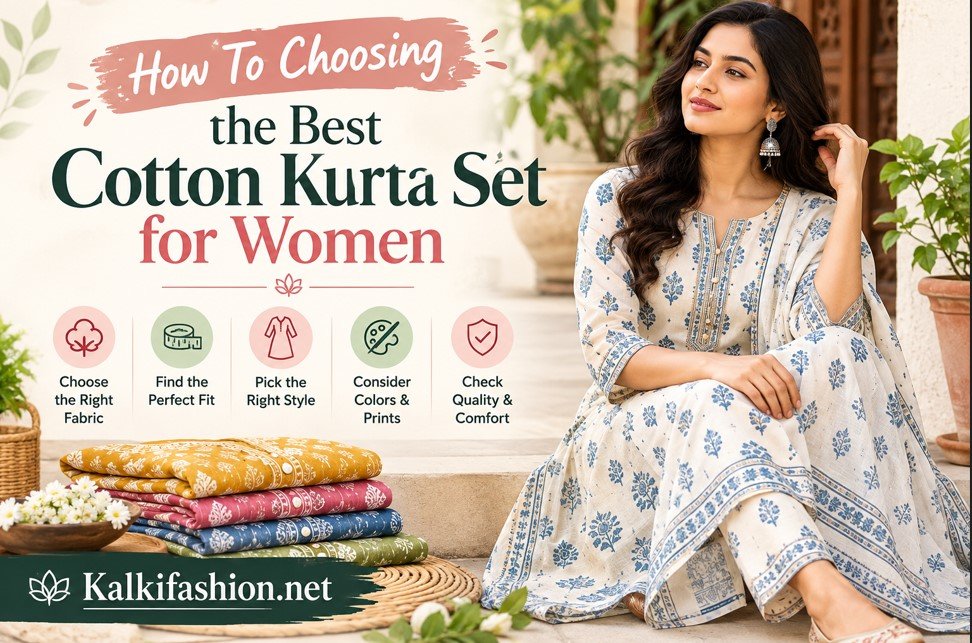
How To Choosing the Best Cotton Kurta Set for Women
Finding the perfect balance between comfort, style, and cultural elegance can be challenging. For generations, the cotton kurta set for women has stood as the definitive answer to this fashion dilemma, especially within the Indian subcontinent. Whether you are navigating a busy day at the office, attending an intimate festive gathering, or simply running errands during a warm summer afternoon, this traditional attire offers an unmatched combination of grace and breathability.
As Indian ethnic wear continues to evolve globally, the humble cotton suit has transformed. Today, designers blend age-old textile techniques with contemporary silhouettes to create outfits that appeal to modern sensibilities. From intricate Chikankari embroidery to bold Kalamkari prints, there is a design for every personality.
In this comprehensive guide, we will explore everything you need to know about purchasing, styling, and maintaining your ethnic wardrobe. We will dive deep into different fabric blends, bottom-wear pairings, regional artistry, and practical buying tips tailored for various body types. By the end of this article, you will have all the expert knowledge needed to build a versatile and sustainable ethnic wardrobe.
Why a Cotton Kurta Set is a Wardrobe Essential
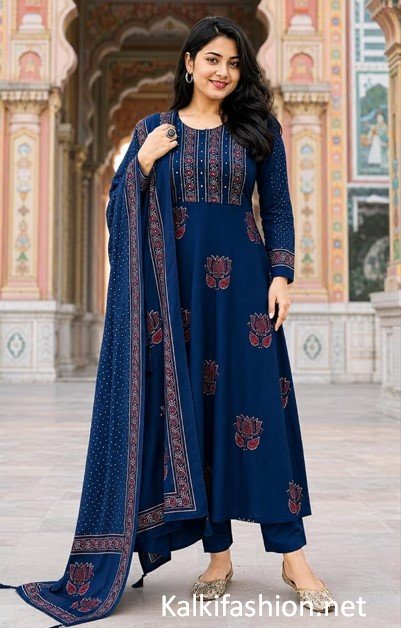
Before diving into the styling details, it is crucial to understand why this specific garment commands such a dominant presence in Indian women’s fashion.
Unmatched Comfort in Tropical Climates
India experiences long, sweltering summers and high humidity. Pure natural fibers allow air to circulate freely through the garment. This breathability prevents skin irritation, absorbs sweat efficiently, and keeps the body temperature regulated. Unlike synthetic materials that trap heat, a well-made natural fiber suit feels like a second skin.
Versatility Across Occasions
Few garments transition seamlessly from a boardroom meeting to a festive puja. A simple, solid-colored ensemble with minimal jewelry works perfectly for professional environments. Add heavy oxidized silver jewelry and an embroidered dupatta, and that exact same outfit is instantly ready for a Diwali celebration. This adaptability makes it a highly cost-effective investment for your closet.
Skin-Friendly and Hypoallergenic
For individuals with sensitive skin or dermatological conditions, synthetic dyes and polyester fabrics often cause rashes. Natural fibers are inherently hypoallergenic. High-quality garments woven from natural yarns do not contain harsh chemicals, ensuring safe, everyday wear without discomfort.
Exploring Different Styles and Silhouettes
The term “kurta” encompasses a vast array of structural designs. Selecting the right cut can entirely change your look.
The Classic Straight-Cut
The straight-cut silhouette falls parallel to your legs, ending either at the knees or the calves. This is the quintessential office-wear staple. It creates an elongated, slimming illusion and pairs flawlessly with almost any type of bottom wear. Because of its structured look, it exudes professionalism and neatness.
Anarkali Suits for Festive Charm
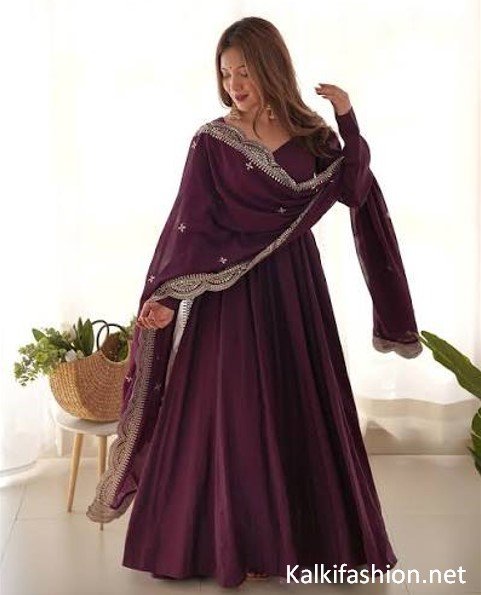
Originating from the Mughal era, the Anarkali features a fitted bodice that flares out generously from the waist down in multiple panels (kalis). An Anarkali cotton kurta set for women offers a regal, feminine swish. Even in simple fabrics, the volume of an Anarkali makes it appropriate for weddings, festive gatherings, and formal dinners.
A-Line Elegance
As the name suggests, this garment resembles the letter ‘A’. It is fitted at the shoulders and chest, gradually widening toward the hem. This style is exceptionally forgiving and comfortable. A-line designs do not cling to the waist or hips, making them a fantastic choice for long hours of casual wear or traveling.
Trendy Nyra and Alia Cuts
Recent fashion cycles have introduced specific variations like the Nyra cut, which features high side slits starting just below the bust line, and the Alia cut, defined by a V-neckline and a gathered bust line. These modern interpretations add a contemporary, youthful edge to traditional wear, allowing younger demographics to embrace ethnic fashion on their own terms.
The Ultimate Guide to Bottom Wear Pairings
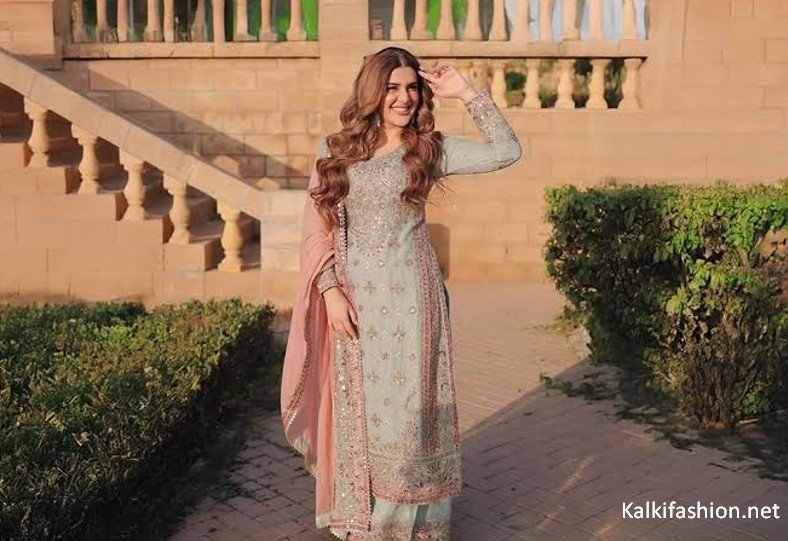
A beautiful top is only half the equation. The bottom wear you choose dictates the overall vibe of the outfit.
Straight Pants and Trousers
Cigarette pants or straight cotton trousers provide a crisp, tailored appearance. They sit closely around the ankles and rarely feature heavy pleats. This pairing is highly recommended for corporate environments or modern casual outings.
Flared Palazzos
Palazzos are wide-legged pants that offer maximum airflow and comfort. When paired with a straight or A-line top, palazzos create a relaxed, breezy aesthetic. They are particularly popular during peak summer months and look incredibly graceful when the fabric features a soft drape.
Traditional Churidar
The churidar is a tightly fitted bottom that creates gathered folds (churis) at the ankle. It is the traditional companion to the Anarkali. While less common for everyday casual wear due to its tight fit, it remains a timeless choice for formal and festive occasions.
Statement Shararas
Shararas feature a fitted thigh that flares out dramatically from the knee downwards, often with a distinct seam or gota-patti work at the knee joint. Pairing a short peplum-style top with a heavy sharara bottom transforms basic fabric into striking festive wear.
Understanding Different Cotton Blends
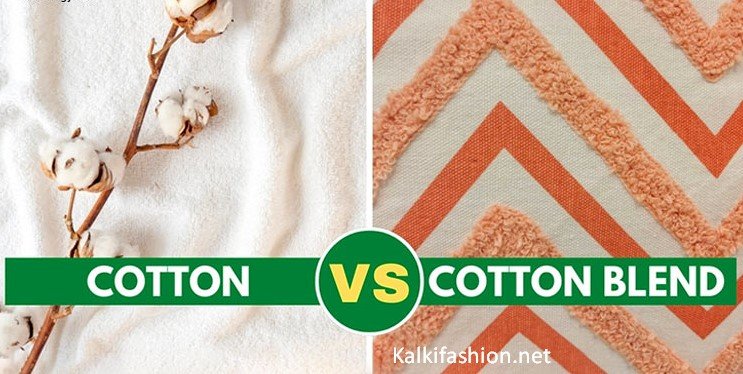
Not all fabrics are created equal. Understanding the specific weave or blend helps you make informed purchasing decisions based on the season and occasion.
Pure Cambric
Cambric is a densely woven, lightweight textile. It has a slightly stiff, smooth finish, making it excellent for holding structured prints and crisp silhouettes. It is highly durable and is the most common material used for high-quality everyday ethnic wear.
Mulmul (Muslin)
Mulmul is incredibly sheer, light, and butter-soft against the skin. Originating in Bengal, this delicate weave is a luxury during the humid monsoon and summer seasons. While it requires slightly more delicate care, a Mulmul outfit offers unparalleled, cloud-like comfort.
Cotton Silk
By weaving natural fibers with silk threads, manufacturers create a fabric that retains breathability while adding a subtle, festive sheen. A cotton silk blend is the ideal choice for weddings and nighttime events where pure matte fabrics might look too casual.
Khadi
Khadi is handspun and handwoven, representing India’s rich textile heritage. It keeps you cool in summer and surprisingly warm in winter. Khadi fabrics usually have a beautiful, rugged texture that appeals to lovers of artisanal, sustainable fashion.
Iconic Regional Prints and Embroideries
India’s strength lies in its diverse textile traditions. Choosing regional prints adds an element of authentic heritage to your wardrobe.
Hand Block Prints (Sanganeri, Bagru, and Ajrakh)
Rajasthan and Gujarat are famous for their wooden block printing techniques.
- Sanganeri features delicate, brightly colored floral motifs on white backgrounds.
- Bagru uses natural dyes like indigo and madder to print on dark backgrounds.
- Ajrakh involves a complex, multi-step dyeing process featuring geometric and celestial patterns, usually in deep reds and indigos.
Chikankari from Lucknow
Chikankari is delicate, intricate white-thread embroidery traditionally done on pastel shades. A pastel Chikankari cotton kurta set for women is the epitome of summer elegance, loved for its sophisticated, minimalist charm.
Kalamkari
Originating in Andhra Pradesh, Kalamkari literally translates to “pen work.” These fabrics depict elaborate scenes from mythology, floral vines, and peacocks using natural earthy tones. This art form makes a powerful fashion statement.
Ikat
Ikat involves resist-dyeing the yarns before they are woven into cloth, creating a distinct, beautifully blurred geometric pattern. Pochampally and Sambalpuri Ikat designs offer a very sharp, formal aesthetic, perfect for office wear.
How to Style Your Outfit for Any Occasion
Transforming a basic outfit requires the right accessories, footwear, and styling techniques.
Office Wear: Crisp and Professional
- Jewelry: Stick to minimalist pieces. Think small silver studs, a delicate watch, and perhaps a thin chain.
- Footwear: Choose closed-toe mules, comfortable block heels, or traditional leather Kolhapuris.
- Bag: Pair your outfit with a structured leather tote bag.
- Makeup: Opt for a bare-faced look with a subtle bindi and a neutral lip color.
Casual Outings: Effortless Chic
- Jewelry: Experiment with chunky, oxidized silver jhumkas or stacked bohemian bangles. Layered necklaces also work well.
- Footwear: Embroidered juttis or comfortable flat sandals.
- Bag: A woven sling bag or a colorful fabric tote adds a fun element.
- Layering: Ditch the heavy dupatta and layer a solid-colored top with a printed ethnic jacket or a soft scarf.
Festive Gatherings: Rich and Vibrant
- Jewelry: Bring out the heavy Kundan or Polki sets. Chokers and long dangling earrings elevate the look.
- Footwear: Embellished mojaris or metallic wedge heels.
- Styling Trick: Drape a heavy Banarasi silk dupatta over a plain, solid-colored ensemble. The contrast between the matte outfit and the rich dupatta creates a luxurious aesthetic without sacrificing comfort.
The Expert Buyer’s Guide: Dressing for Your Body Type
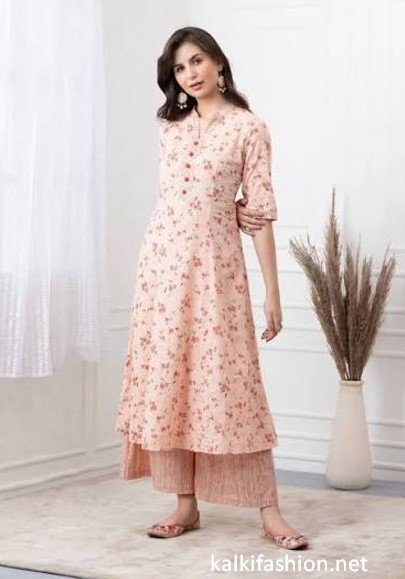
Choosing the right cut enhances your natural silhouette and boosts confidence.
For Pear-Shaped Bodies
If your hips are wider than your bust, draw attention upwards. Choose A-line silhouettes that glide over the lower body. Tops with heavy embroidery around the neckline, puffed sleeves, or statement collars work beautifully. Pair them with straight pants rather than highly flared palazzos to maintain balance.
For Apple-Shaped Bodies
If you carry weight around your midsection, Empire-line cuts or Anarkalis that flare out just below the bust are ideal. V-necklines create a vertical illusion, elongating the torso. Avoid rigid, tight-fitting straight cuts that cling to the waist.
For Hourglass Bodies
If your bust and hips are proportionate with a well-defined waist, highlight your curves with well-fitted, straight-cut outfits. You can also confidently wear styles with a belted waist.
For Petite Frames
To create an illusion of height, stick to monochromatic sets (where the top and bottom are the same color). Choose small, delicate prints rather than oversized motifs that can overwhelm a small frame. Straight pants paired with calf-length tops work best.
Fabric Care and Maintenance
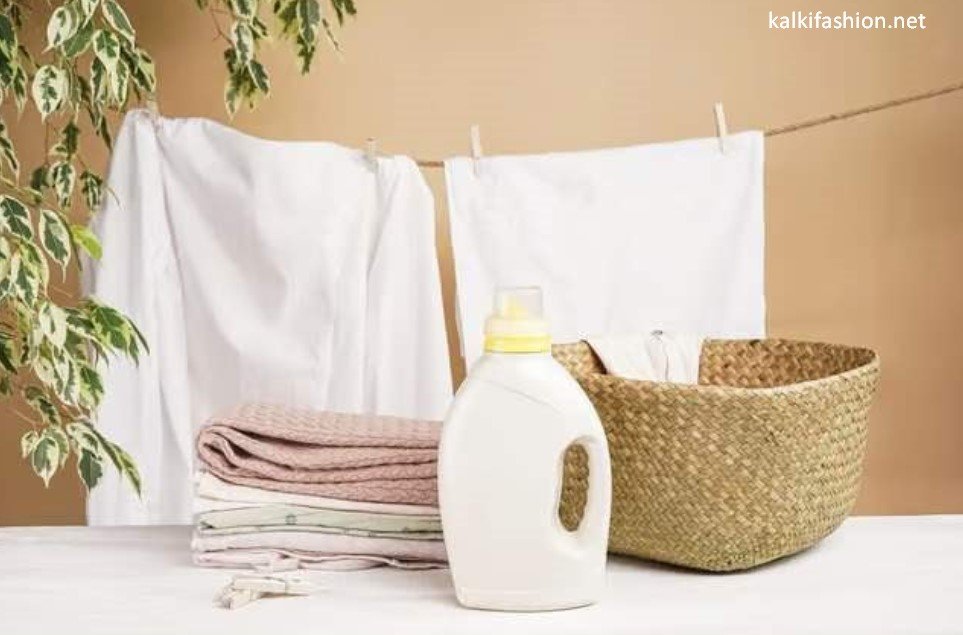
Natural fibers require specific care to maintain their color, shape, and longevity. Improper washing can lead to severe shrinkage or color bleeding.
- The First Wash: Always dry clean expensive embroidered outfits for the first time. For printed daily wear, soak the garment in a bucket of cold water mixed with a tablespoon of salt for 30 minutes to lock in the colors.
- Washing: Wash dark colors separately. Use mild, liquid detergents. Avoid harsh bleach or brushing, which damages the delicate yarns. Hand washing is highly recommended for Mulmul and Chikankari pieces.
- Drying: Never wring the fabric harshly. Instead, squeeze out excess water gently. Always dry your clothes in the shade, inside out. Direct, harsh sunlight causes vibrant colors and prints to fade prematurely.
- Ironing: Natural fibers wrinkle easily. Iron the garment while it is still slightly damp using a medium-high heat setting. For outfits with gold foil prints or delicate embroidery, always iron on the reverse side.
- Starching: To restore the crisp, structured look of Cambric or straight-cut office wear, use a light liquid starch during the final rinse.
Comparison: Cotton vs. Rayon vs. Synthetic Fabrics
When shopping for ethnic wear, you will frequently encounter alternative fabrics. Here is how they stack up against pure natural fibers.
| Feature | Pure Cotton | Rayon | Synthetic (Polyester/Georgette) |
| Breathability | Extremely High | Moderate | Very Low (Traps heat) |
| Comfort | Excellent for daily wear | Good, very soft drape | Uncomfortable in hot weather |
| Maintenance | Wrinkles easily, needs ironing | Prone to shrinkage, moderate wrinkling | Wrinkle-free, easy care |
| Durability | High, lasts for years | Moderate, weakens when wet | Very High |
| Eco-Friendliness | Biodegradable, sustainable | Semi-synthetic (Wood pulp base) | Non-biodegradable plastic base |
| Price Point | Moderate to Expensive | Affordable | Very Affordable |
Pros and Cons
Before upgrading your wardrobe, consider the honest advantages and drawbacks.
Pros:
- Exceptional Breathability: Keeps you cool and prevents excessive sweating.
- Highly Versatile: Easily styled for home, work, or festive events.
- Skin-Friendly: Hypoallergenic and free from synthetic irritants.
- Supports Artisans: Buying hand-block printed or hand-loomed textiles supports local Indian craftsmen.
- Sustainable: Made from biodegradable, natural resources.
Cons:
- High Maintenance: Requires regular ironing to look presentable.
- Shrinkage Risk: Un-preshrunk garments may shrink by 2–5% after the first wash.
- Color Bleeding: Natural and indigo dyes have a tendency to bleed during the first few washes.
Frequently Asked Questions (FAQs)
1. Does a pure cotton kurta set shrink after washing?
Yes, pure natural fibers have a natural tendency to shrink slightly upon first contact with water. It is generally advisable to buy garments that are either pre-shrunk by the manufacturer or to purchase one size larger if you prefer a looser, more comfortable fit.
2. Can I wear a cotton suit to a formal Indian wedding?
Absolutely. While simple prints are too casual for weddings, a cotton kurta set for women made from a cotton-silk blend, heavily embellished with Zari, Gota Patti, or Chikankari work, is perfectly appropriate. Pair it with heavy Kundan jewelry, a silk dupatta, and high heels to elevate the look instantly.
3. How do I stop my dark-colored clothes from bleeding color?
To prevent color bleeding, perform a salt-water soak before the first wash. Mix two tablespoons of regular table salt into cold water and let the garment soak for 30 minutes. Always wash dark and bright colors (especially indigo and deep reds) separately in cold water using a mild, color-safe detergent.
4. Which type of bottom wear is most comfortable for summer?
For maximum comfort during peak summer, wide-legged palazzos or pure mulmul pants are the best choices. They do not cling to the skin and allow maximum air circulation. Avoid tight-fitting churidars or thick denim jeans when the humidity is high.
5. What is the difference between Cambric and Mulmul?
Cambric is a tightly woven, slightly structured fabric that holds its shape well, making it ideal for formal straight-cut suits. Mulmul (muslin) is an incredibly lightweight, sheer, and soft fabric that drapes beautifully but lacks stiff structure. Mulmul is best for relaxed, casual summer wear.
6. Can I wear these outfits in the winter?
Yes, but you need to layer effectively. You can pair your ethnic suits with warm woolen leggings instead of regular trousers. Add a heavy Pashmina or woven Kashmiri shawl as a dupatta, and wear a tailored ethnic jacket (Bandi) or a long woolen cardigan over the outfit to trap body heat.
7. How do I choose the right size when shopping online?
Always refer to the specific brand’s size chart rather than your generic size, as ethnic wear sizing varies significantly between brands. Measure your bust, waist, and hips accurately with a measuring tape. If you fall between sizes, always size up, as ethnic wear is generally more comfortable when it offers a little breathing room.
8. Are hand-block prints more expensive than machine prints?
Yes, authentic hand-block prints like Sanganeri or Ajrakh are generally more expensive. This is because the process is entirely manual, labor-intensive, and time-consuming, often requiring multiple stages of natural dyeing and precise hand-stamping by skilled artisans. Machine prints are mass-produced and cheaper, but lack the unique, artisanal charm of handcrafted textiles.
Conclusion
Building an elegant and functional ethnic wardrobe does not require compromising on comfort. The classic cotton kurta set for women remains the undisputed champion of Indian fashion precisely because it adapts to our climate, our traditions, and our modern lifestyles.
Whether you lean toward the crisp professionalism of a straight-cut Ikat suit, the breezy comfort of an A-line Mulmul set, or the festive grandeur of an embellished Anarkali, there is a design out there that perfectly aligns with your personal style. By understanding the different weaves, regional prints, and body-type styling rules, you can make informed choices that elevate your everyday look.
Investing in high-quality natural fibers, maintaining them with gentle care, and accessorizing them thoughtfully will ensure that your outfits remain timeless staples in your closet for years to come. Embrace the heritage, prioritize your comfort, and step out in confidence.