Formal Dress for Men: Latest Trends, Colors & Styling Tips
Dressing well is more than just throwing on a crisp shirt. For the modern professional, mastering the formal dress for men is a fundamental skill. Whether you are stepping into a corporate boardroom in Mumbai, attending a black-tie gala, or heading to an elegant wedding reception in Delhi, your outfit speaks before you do.
However, navigating the world of menswear can feel overwhelming. Between lapel widths, fabric choices, and shoe styles, the details matter. A well-tailored outfit boosts your confidence, commands respect, and leaves a lasting impression.
This comprehensive guide breaks down everything you need to know about men’s formal wear. We will cover the core components, styling rules, fabric choices suited for the Indian climate, and the accessories that tie it all together. By the end of this article, you will know exactly how to build a timeless, versatile formal wardrobe.
What Constitutes Formal Dress for Men?
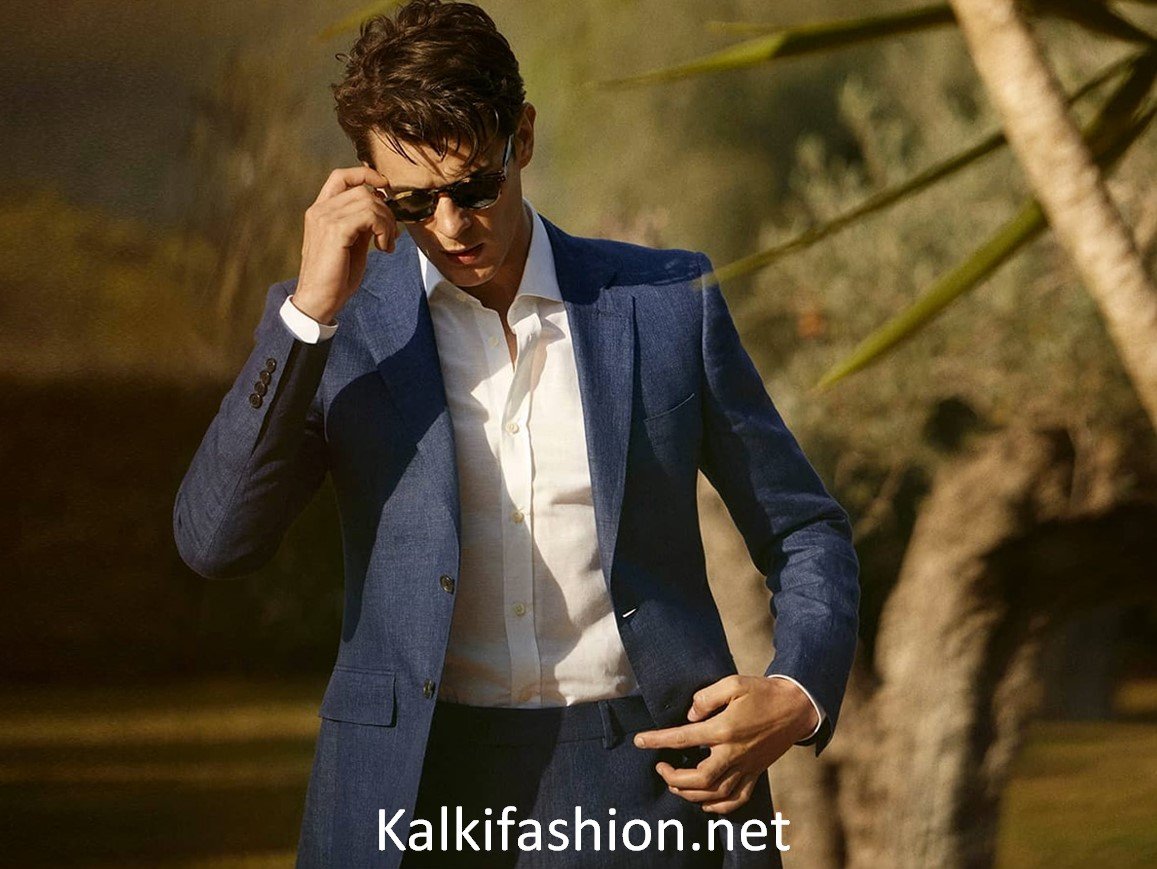
The term formal dress often gets confused with business casual or smart casual. True formal wear follows strict sartorial rules. It requires precision, high-quality fabrics, and a cohesive look.
At its core, a formal outfit consists of a structured suit (jacket and matching trousers), a button-up dress shirt, a necktie, and leather dress shoes. Every element must work in harmony. The goal is to create a sleek, uninterrupted silhouette that flatters your body shape. Read more.
The Core Components
- The Suit: The foundation of your outfit. It must fit impeccably across the shoulders and chest.
- The Shirt: The canvas of your look. It should provide contrast and sit comfortably against your neck.
- The Footwear: The anchor. High-quality leather shoes elevate the entire ensemble.
- The Accessories: The personal touch. Ties, pocket squares, and watches add subtle personality.
Decoding the Perfect Dress Shirt
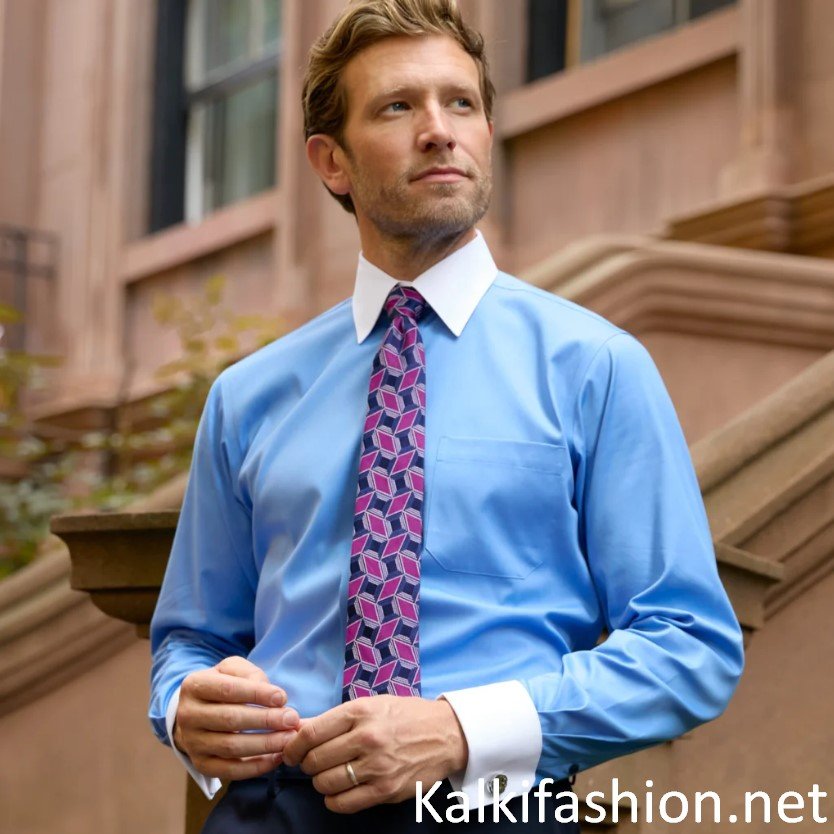
Your dress shirt sits closest to your skin. Therefore, comfort is just as important as appearance.
Fabrics That Breathe
Given the diverse Indian climate, selecting the right fabric weave is crucial.
- Poplin (Broadcloth): Lightweight, crisp, and highly breathable. Poplin is perfect for hot Indian summers.
- Twill: Features a diagonal weave that creates a heavier, softer fabric. It drapes beautifully and resists wrinkles, making it ideal for air-conditioned offices.
- Oxford: A slightly rougher texture, usually reserved for business casual. However, a fine Royal Oxford can pass as formal wear.
- Herringbone: Similar to twill but features a distinct V-shaped pattern. It adds subtle texture to a solid-colored suit.
Collar Styles Explained
The collar frames your face. Choosing the right one enhances your facial features.
- Point Collar: The most traditional style. The collar points are close together, drawing the eye downward. This suits men with rounder faces.
- Spread Collar: The points are set wider apart. This style accommodates wider tie knots like the Full Windsor and flatters men with narrow or angular faces.
- Cutaway Collar: An extreme spread collar that angles backward. It looks highly modern and sophisticated.
- Button-Down Collar: Strictly speaking, this is a casual style. Avoid button-down collars for strict formal events.
The Anatomy of a Perfect Suit
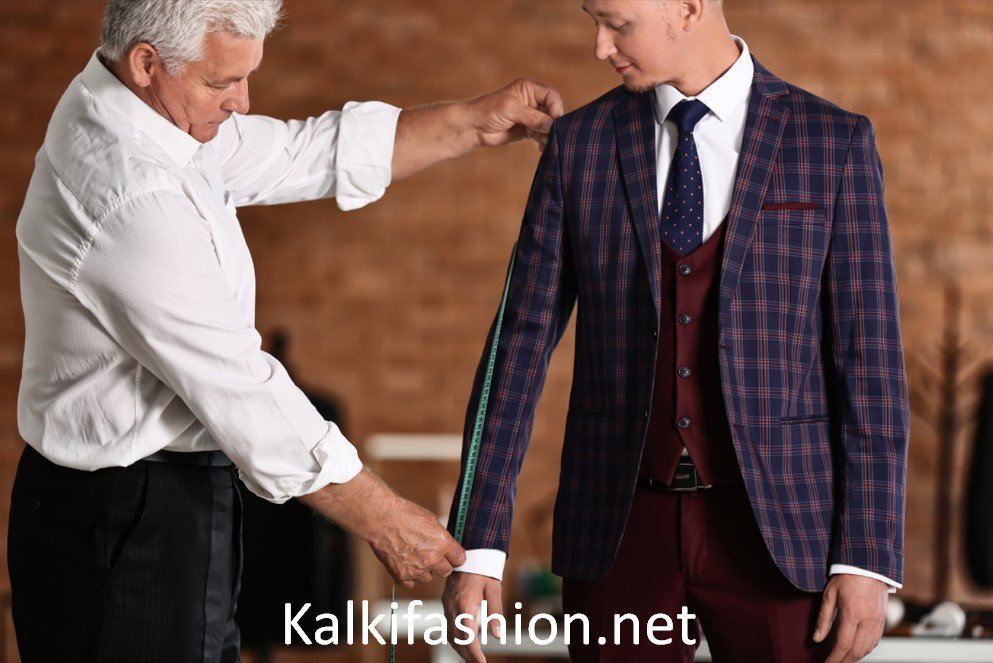
A suit is the armor of the modern gentleman. Understanding its construction helps you make better purchasing decisions.
Fit is Everything
Even a luxury designer suit looks terrible if it does not fit. Pay attention to these three areas:
- The Shoulders: The shoulder seam must end exactly at the edge of your natural shoulder. If it hangs over, the jacket is too big.
- The Chest: You should be able to slide a flat hand under the lapels when the jacket is buttoned. If it forms an “X” crease, it is too tight.
- The Sleeve Length: The jacket sleeve should end right at the wrist bone, allowing half an inch of your shirt cuff to show.
Single-Breasted vs. Double-Breasted
- Single-Breasted: Features a single row of buttons (usually two or three). This is the standard, versatile choice for business and formal events. Always leave the bottom button undone.
- Double-Breasted: Features overlapping front panels with two parallel rows of buttons. It looks highly formal, authoritative, and broadens the chest.
Lapel Styles
- Notch Lapel: The most common and versatile. A small notch is cut out where the collar meets the lapel. Perfect for everyday business wear.
- Peak Lapel: The edges point upward toward the shoulders. This style is more formal and aggressive, often found on double-breasted suits and tuxedos.
- Shawl Lapel: A continuous curve without any notches or peaks. Reserved strictly for black-tie events and tuxedos.
Mastering Formal Trousers
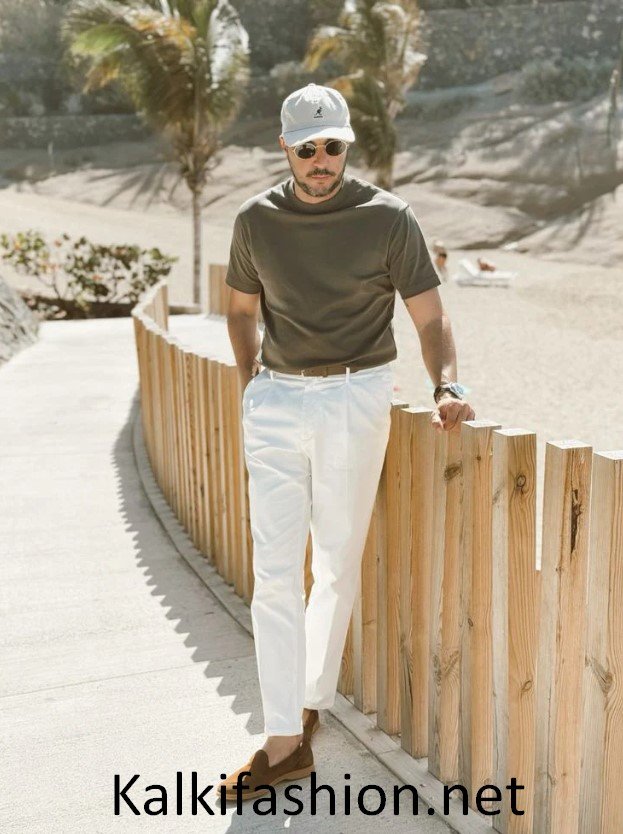
Your trousers dictate the flow of your outfit from the waist down.
Flat Front vs. Pleated
- Flat Front: Clean, modern, and slimming. This is the standard choice for most modern formal wear.
- Pleated: Features folds of fabric near the waistband. Pleats offer more room in the thighs and are ideal for men with athletic builds or those who prefer classic tailoring.
The Trouser Break
The “break” is the fold in the fabric where your trousers meet your shoes.
- No Break: The hem lightly touches the top of the shoe. Highly modern and clean.
- Half Break: A slight fold over the shoe. This is the safest, most professional choice.
- Full Break: Multiple folds bunching over the shoe. This looks sloppy and outdated; avoid it.
Essential Formal Footwear
Shoes are often the first thing people notice. Your footwear must complement the formality of your suit.
Formal Footwear Comparison Table
| Shoe Style | Characteristics | Formality Level | Best Worn With |
| Oxford | Closed lacing system, sleek silhouette. | High (Most Formal) | Business suits, Tuxedos |
| Derby | Open lacing system, slightly chunkier. | Medium to High | Standard suits, Formal trousers |
| Brogue | Features decorative perforations (broguing). | Medium | Tweeds, Business casual, Day suits |
| Monk Strap | Closes with a buckle and strap instead of laces. | Medium to High | Fashion-forward formal outfits |
| Loafer (Penny/Tassel) | Slip-on, no laces. | Low to Medium | Summer suits, Linen blends |
Expert Tip: For strict formal dress codes, a black leather Cap-Toe Oxford is non-negotiable. Ensure your shoes are polished and well-maintained.
Must-Have Accessories to Complete the Look
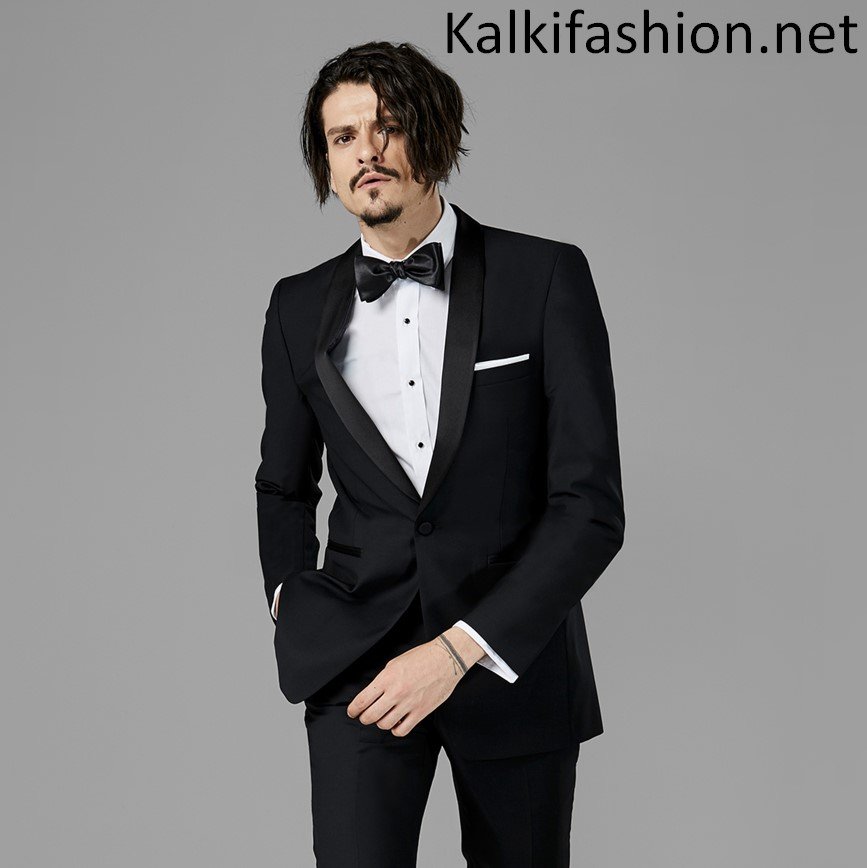
Accessories inject personality into an otherwise uniform dress code. Keep them subtle and high-quality.
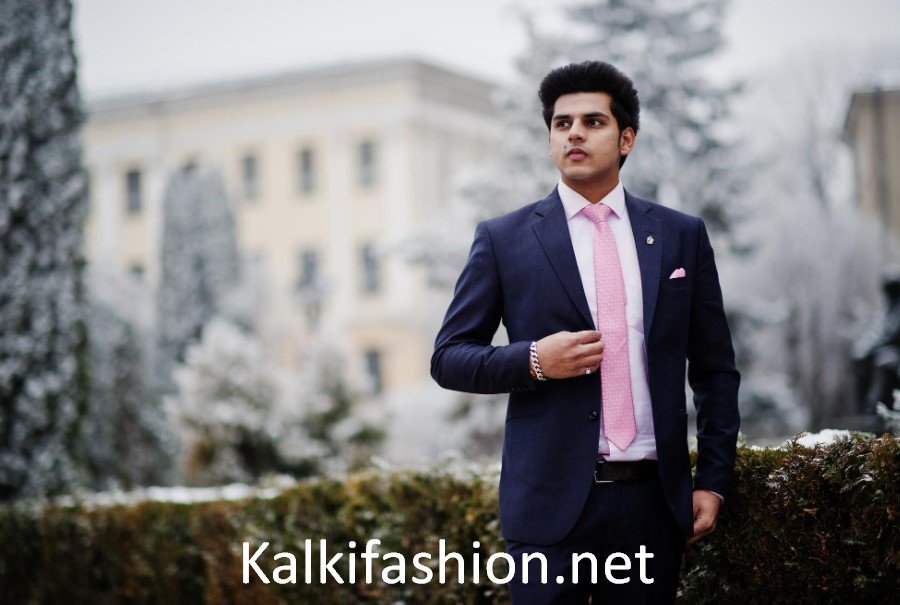
- The Necktie: Aim for a width between 2.75 to 3.25 inches. Silk is the standard fabric. Solid colors, subtle stripes, or small geometric patterns work best for business.
- The Pocket Square: Never match your pocket square perfectly to your tie. Instead, complement a secondary color in your outfit. A crisp white cotton pocket square in a presidential fold is always appropriate.
- The Belt: The golden rule of menswear: your belt must match your shoes. If you wear black leather shoes, wear a black leather belt with a simple silver or gold buckle.
- The Watch: Skip the bulky smartwatches and digital screens. Opt for a slim, analog dress watch with a leather strap (matching your shoes/belt) or a metal bracelet.
- Cufflinks: Required if you wear a French cuff shirt. Keep them understated; simple metallic knots or minimalist geometric shapes are best.
Dressing for the Indian Climate
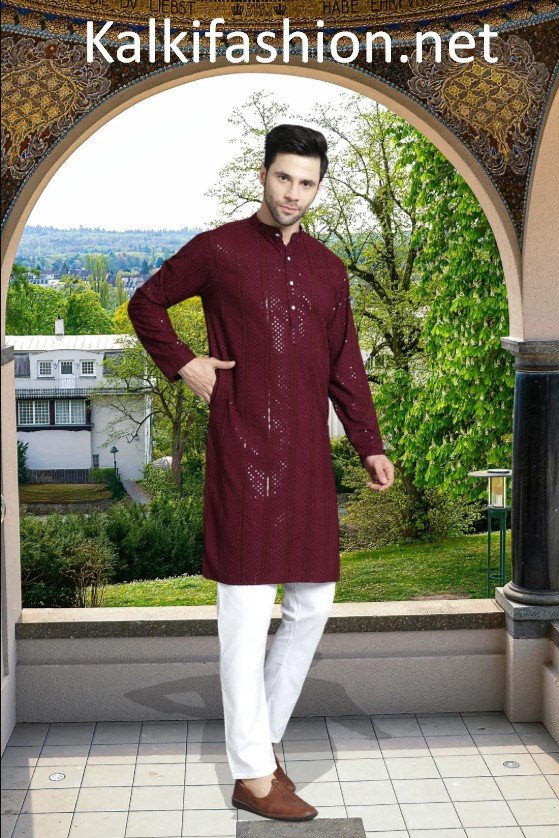
India experiences extreme heat and high humidity, making traditional wool suits uncomfortable for much of the year. To stay sharp without sweating profusely, prioritize fabric composition.
Summer Formal Wear
- Linen Blends: Pure linen wrinkles easily, which looks casual. However, a wool-linen or cotton-linen blend retains a structured look while offering maximum breathability.
- Fresco Wool: A lightweight, open-weave wool that allows air to flow freely. It is highly resilient and perfect for summer business travel.
- Unlined Jackets: Look for suits with half-lining or no lining. Removing the polyester or silk interior lining drastically improves airflow.
Winter Formal Wear
- Worsted Wool: The gold standard for year-round and winter suits. It is durable, smooth, and drapes beautifully.
- Flannel: Features a brushed surface that traps heat. Flannel suits look incredibly stylish and provide excellent insulation for chilly winters in North India.
Pros and Cons: Ready-Made vs. Custom-Tailored Suits
When building your formal wardrobe, you face a major decision: buy off-the-rack or visit a tailor?
Ready-Made (Off-the-Rack)
Pros:
- Convenience: You can buy it immediately.
- Cost-Effective: Generally much cheaper than custom tailoring.
- Visualizing: You know exactly what the finished product looks like before buying.
Cons:
- Poor Fit: Mass-produced for average body types. You will likely need alterations.
- Limited Customization: You cannot choose the lining, buttons, or lapel style.
Custom-Tailored (Bespoke or Made-to-Measure)
Pros:
- Perfect Fit: Crafted specifically for your body measurements, hiding flaws and accentuating strengths.
- Endless Customization: You select the exact fabric, weave, lapel, and button details.
- Longevity: Better stitching and canvas construction mean the suit will last decades.
Cons:
- Time-Consuming: Requires multiple fittings and takes weeks to finish.
- Expensive: High-quality tailoring requires a significant financial investment.
Color Psychology in Men’s Formal Wear
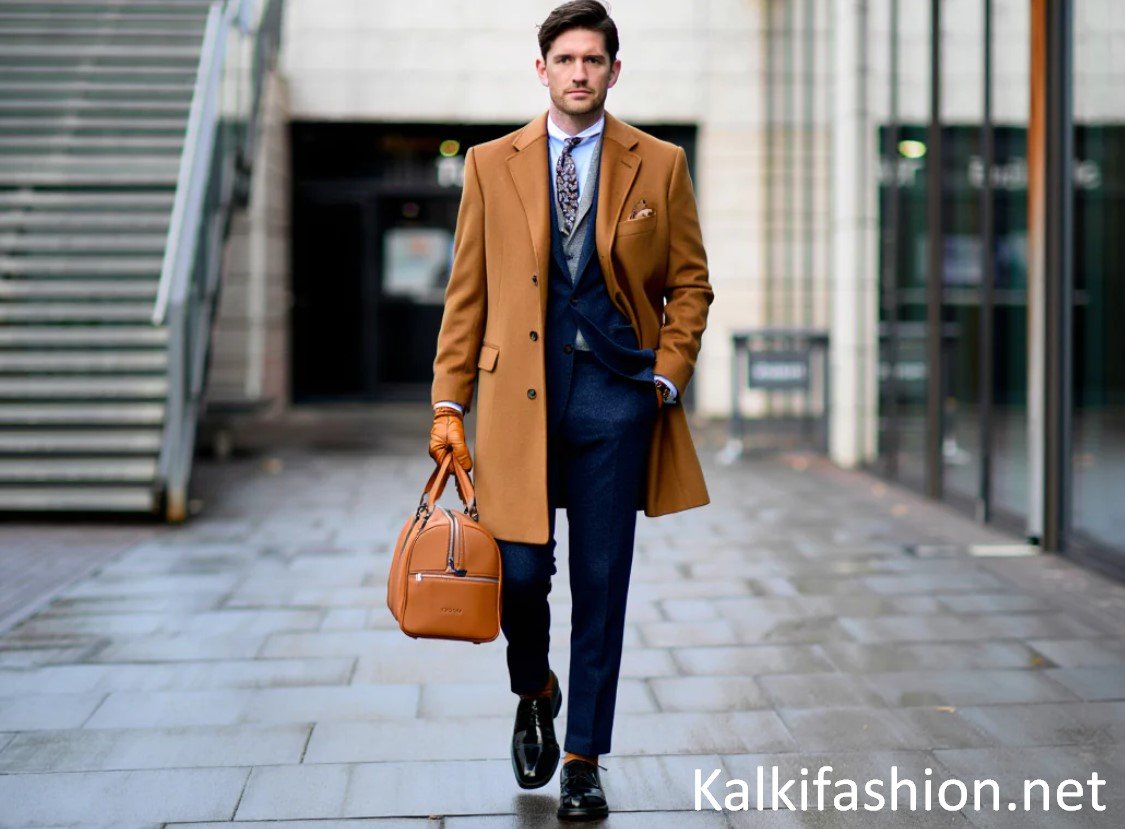
The colors you wear send subconscious signals to those around you. Choose wisely based on the occasion.
- Navy Blue: The most versatile color. It projects youth, trustworthiness, and approachability. A navy suit is the best choice for your first formal purchase.
- Charcoal Grey: Projects authority, maturity, and serious business intent. Perfect for high-stakes corporate meetings or legal settings.
- Black: Strictly formal. Black suits are best reserved for black-tie events, evening galas, or funerals. Wearing black to a daytime office can look overly harsh.
- Brown: Historically casual, but dark chocolate brown suits have entered the formal sphere. They look fantastic in autumn and project warmth and creativity.
Grooming: The Invisible Accessory
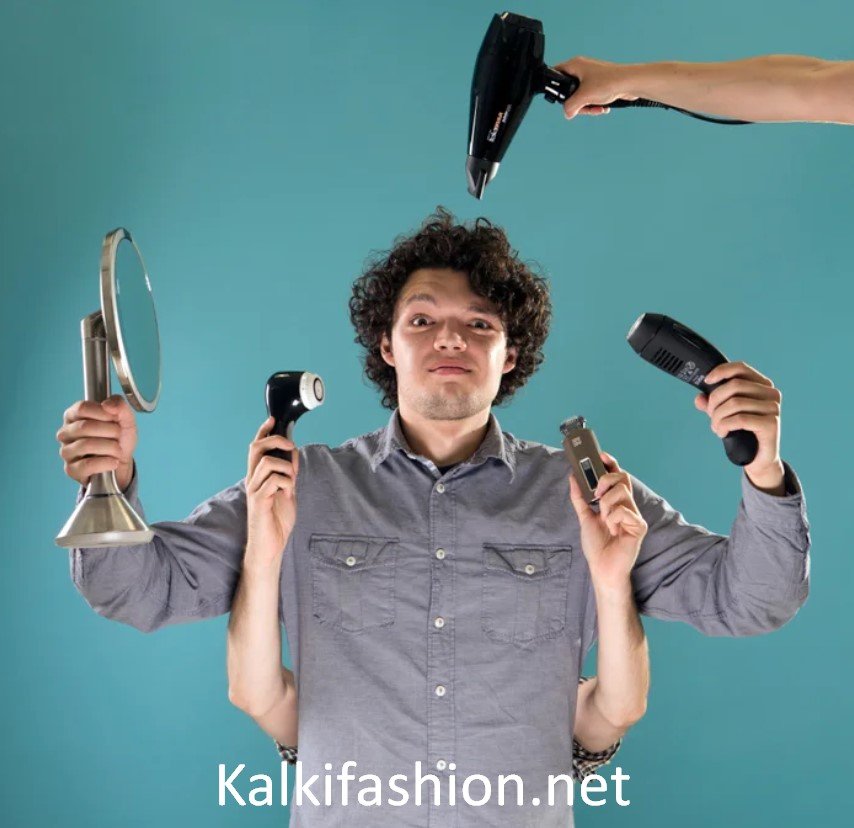
You can wear a bespoke Italian suit, but if your grooming is neglected, the entire look falls apart.
- Hair: Keep your haircut neat. Tapered sides and a well-styled top look professional.
- Facial Hair: If you have a beard, keep the neck and cheek lines sharply trimmed. If you are clean-shaven, ensure a smooth shave without razor burn.
- Fragrance: Less is more. Apply a subtle, woody, or citrus-based cologne. People should only smell it when they lean in for a handshake, not from across the room.
- Nails: Keep your nails clipped short and clean.
Frequently Asked Questions (FAQs)
1. Can I wear loafers with a formal suit?
It depends on the loafer and the suit. Sleek, dark leather tassel or penny loafers can work with summer suits or smart-casual outfits. However, for strict business formal or evening events, always opt for lace-up Oxfords or Derbies.
2. Does my belt really have to match my shoes?
Yes, absolutely. This is a non-negotiable rule of classic menswear. A black belt goes with black shoes, and a brown belt goes with brown shoes. Try to match the shade of brown as closely as possible.
3. What is the difference between a tuxedo and a suit?
The primary difference is the presence of satin. Tuxedos feature satin lapels, satin-covered buttons, and a satin stripe down the leg of the trousers. Suits are made from consistent fabric throughout. Tuxedos are strictly for evening events.
4. How many buttons should I fasten on my suit jacket?
If it is a two-button jacket, only fasten the top button. If it is a three-button jacket, fasten the middle one, optionally the top, but never the bottom. Always unbutton your jacket entirely when you sit down to prevent ruining the fabric.
5. Are black suits good for job interviews?
Generally, no. Black suits can appear too severe or look like evening wear. For job interviews, navy blue or dark grey suits are universally preferred as they project professionalism and approachability.
6. Can I wear a short-sleeve dress shirt under a suit?
No. True formal wear requires half an inch of your shirt cuff to peek out from beneath your jacket sleeve. Short-sleeve shirts eliminate this detail and can cause sweat to transfer directly onto your suit jacket’s lining.
7. How long should my tie be?
When tied and standing straight, the tip of your tie should end exactly at the middle of your belt buckle or waistband. Anything shorter looks comical, and anything longer looks sloppy.
8. Is it acceptable to wear a tie without a jacket?
While acceptable in casual office environments, taking off your jacket technically drops the outfit out of the “formal” category. If you want to maintain a formal silhouette without a jacket, wear a well-tailored waistcoat (vest).
Conclusion
Mastering formal dress for men is an investment in your personal and professional brand. It requires an understanding of fit, fabric, and proportion. Remember that true elegance lies in subtlety—a perfectly tailored navy suit, a crisp white shirt, and polished Oxford shoes will always speak louder than flashy logos or trendy cuts.
Start by building a foundation. Invest in a high-quality navy or charcoal worsted wool suit, two excellent dress shirts, and one pair of premium leather shoes. Take the time to visit a local tailor and have your clothes adjusted to your specific body shape.
Dressing well is a form of good manners. When you respect the dress code, you show respect for the occasion and the people around you. Embrace these timeless rules, adapt them to the Indian climate, and step out with absolute confidence.