Traditional Dress in Indian: Types, Styles, History & Cultural Significance
India is a land of vibrant colors, ancient history, and incredible diversity. Nothing reflects this rich heritage better than Indian traditional dress. From the snowy peaks of Kashmir to the tropical backwaters of Kerala, the clothing worn by the people tells a story of culture, climate, and centuries of evolution.
Whether you are preparing for a festive celebration, attending a grand Indian wedding, or simply looking to understand the roots of South Asian fashion, exploring ethnic wear is a fascinating journey. Traditional garments are not just pieces of fabric; they are symbols of identity, craftsmanship, and pride.
This comprehensive guide will walk you through everything you need to know about Indian traditional dress. We will explore the iconic styles for both men and women, dive into regional variations, compare popular outfits, and answer your most pressing questions.
The Cultural Significance of Traditional Dress in India
In India, clothing goes far beyond basic utility. Every thread, color, and drape carries deep meaning. Traditional dress often reflects a person’s religious background, regional origin, and social status.
Historically, ancient Indians wore unstitched garments. The art of draping fabric was mastered early on, driven by the hot climate which required breathable, loose-fitting clothes. When the Mughals arrived, they introduced tailored clothing, bringing in garments like the Anarkali and the Sherwani. This blend of indigenous draping techniques and foreign tailoring created the incredible variety of ethnic wear we see today.
Moreover, colors play a vital role. Red is considered highly auspicious and is the traditional color for Hindu brides. White is worn for mourning in some communities, but is a symbol of purity and festivity in others, like in Kerala. Yellow represents joy and the spring season, often worn during the Haldi ceremony at weddings.
Learn More: Kalki Fashion India
Iconic Traditional Dresses for Women
Indian women’s fashion is globally recognized for its elegance, grace, and intricate detailing. Let’s look at the most prominent garments.
The Saree: Six Yards of Pure Grace
The Saree (or sari) is arguably the most recognizable Indian traditional dress. It is a single piece of unstitched fabric, typically ranging from five to nine yards in length, draped elegantly around the body. It is worn over a petticoat (underskirt) and paired with a fitted blouse known as a choli.
What makes the saree unique is its versatility. There are over 80 recorded ways to drape a saree across India. The most common is the Nivi drape, which originated in Andhra Pradesh. In this style, the saree is pleated at the waist, and the decorative end (the pallu) is thrown over the left shoulder.
Other famous draping styles include:
- Bengali Style: Features a box-pleat at the front, with the pallu draped over both shoulders.
- Nauvari (Maharashtrian): A nine-yard saree draped similarly to a traditional men’s dhoti, allowing for great freedom of movement.
- Gujarati Seedha Pallu: The pallu is brought to the front over the right shoulder, displaying the intricate border work across the chest.
Lehenga Choli: The Ultimate Festive Wear
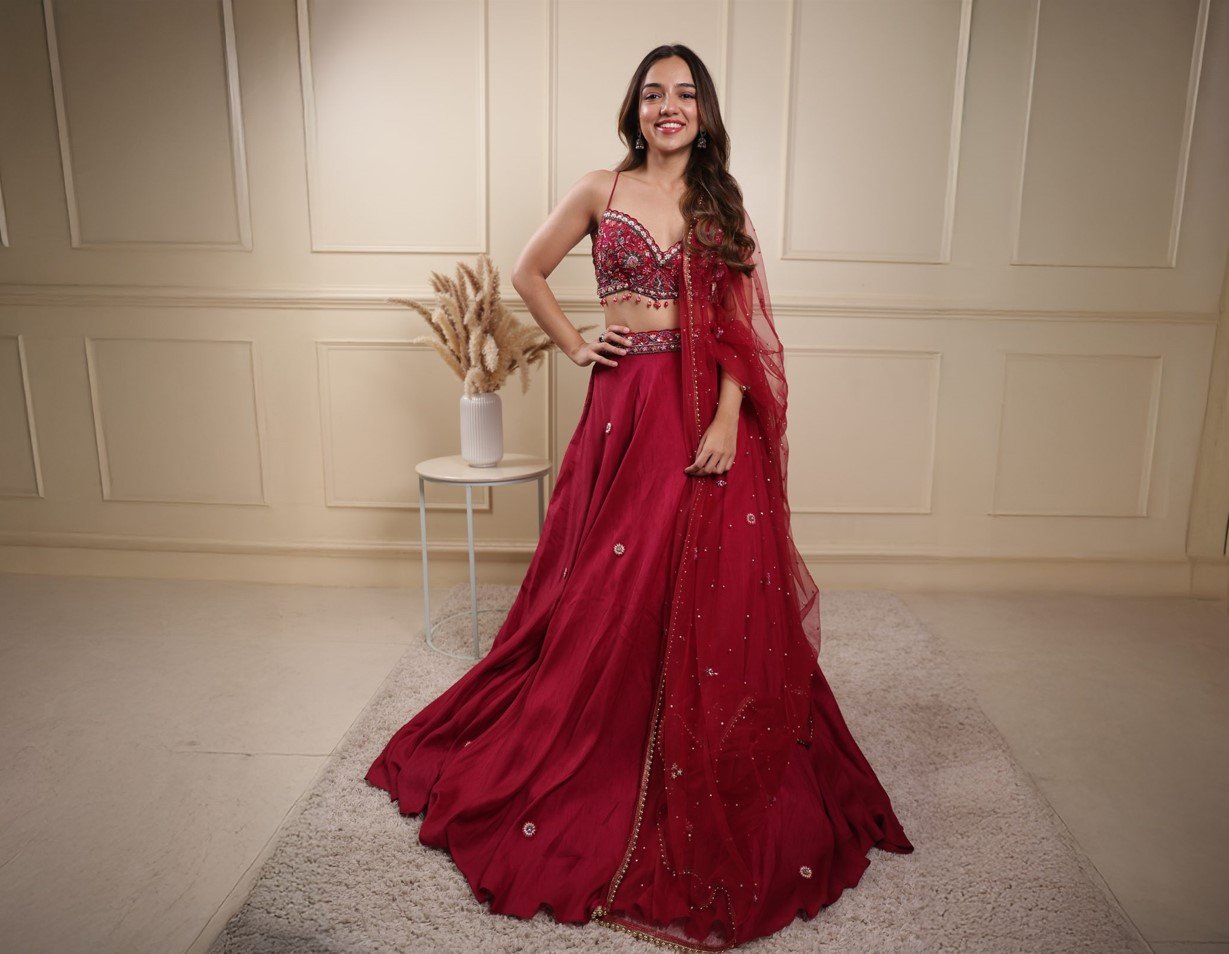
When it comes to weddings and grand celebrations, the Lehenga Choli is a top choice. This three-piece ensemble consists of a long, flared skirt (the lehenga), a fitted blouse (the choli), and a draping scarf (the dupatta).
The lehenga traces its roots back to the Mughal era. Today, it comes in various silhouettes to flatter different body types:
- A-Line: Flared from the waist to the hem, resembling the letter ‘A’.
- Mermaid/Fishtail: Fitted from the waist to the knees and flared at the bottom.
- Panelled: Features multiple panels of fabric stitched together to create heavy volume and dramatic flair.
Salwar Kameez: Comfort Meets Style
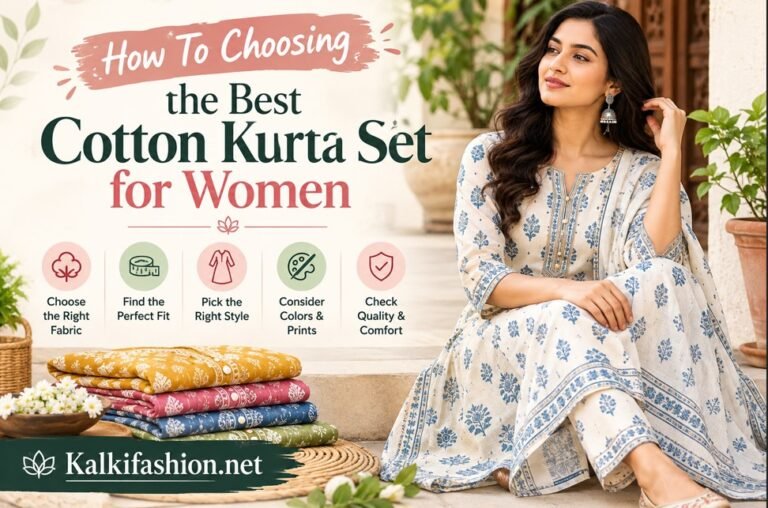
Originating from the Punjab region, the Salwar Kameez is the everyday traditional dress for millions of Indian women. The Kameez is a long tunic, and the Salwar refers to the loose, pleated trousers tapering at the ankles. It is usually paired with a matching dupatta.
Over the years, the Salwar Kameez has evolved into various stylish forms. The Churidar, for example, replaces the loose trousers with tightly fitting pants that bunch up at the ankles like bangles (churis). Another popular variation is the Patiala suit, which features exceptionally voluminous and heavily pleated trousers that require double the normal amount of fabric.
The Regal Anarkali Suit
Named after the legendary court dancer of the Mughal Empire, the Anarkali is a specific type of Salwar Kameez. The top (kameez) is fitted tightly around the bust and waist, then flares out dramatically in an umbrella shape toward the hem. Anarkalis exude a royal, vintage charm and are heavily favored for evening receptions, Eid celebrations, and Diwali parties.
Click Here: Kalki Fashion Online
Classic Traditional Dresses for Men
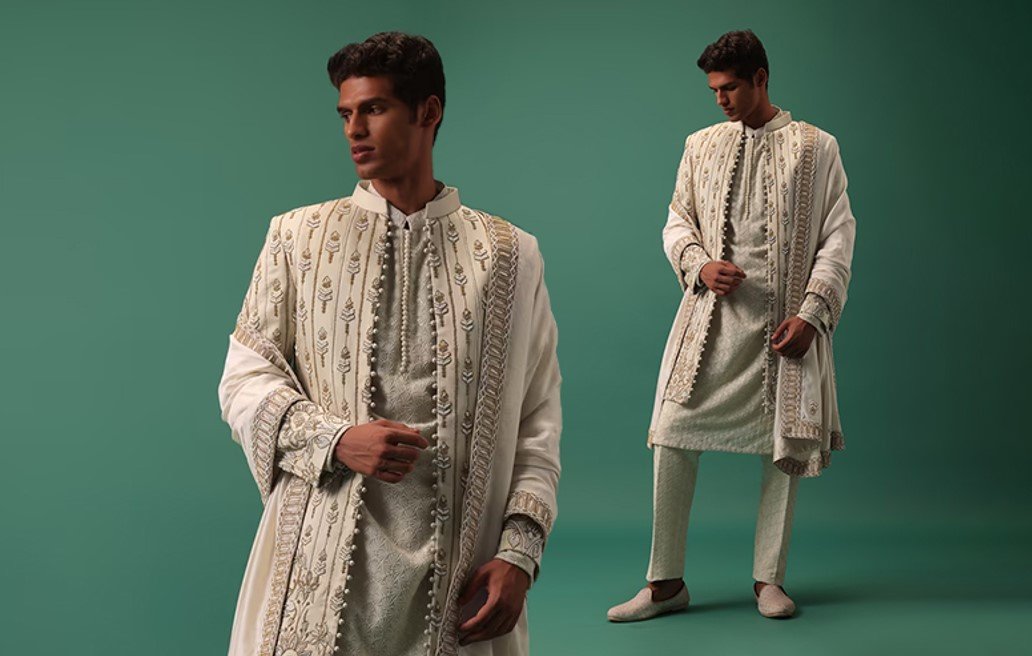
While women’s ethnic wear often takes the spotlight, Indian traditional dress for men is equally rich in history and craftsmanship.
The Majestic Sherwani
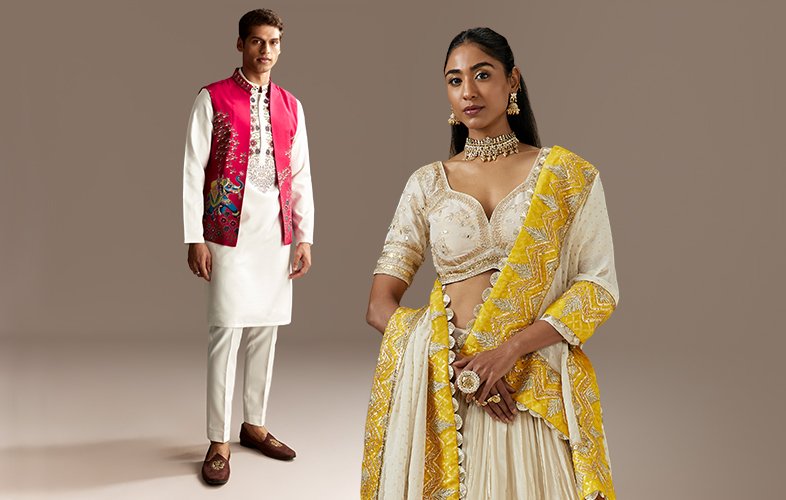
The Sherwani is a long, coat-like garment worn over a kurta and matching trousers (usually a churidar). It buttons all the way down the front and features a stiff stand-up collar.
Historically associated with the nobility of the Mughal Empire, the Sherwani is now the standard attire for Indian grooms. It is usually crafted from heavy, luxurious fabrics like silk or velvet, and features intricate Zardosi (gold thread) embroidery. Men often accessorize the Sherwani with a Safa (turban), a Mojari (traditional embroidered shoe), and a stole draped over one shoulder.
Kurta Pajama: The Everyday Classic
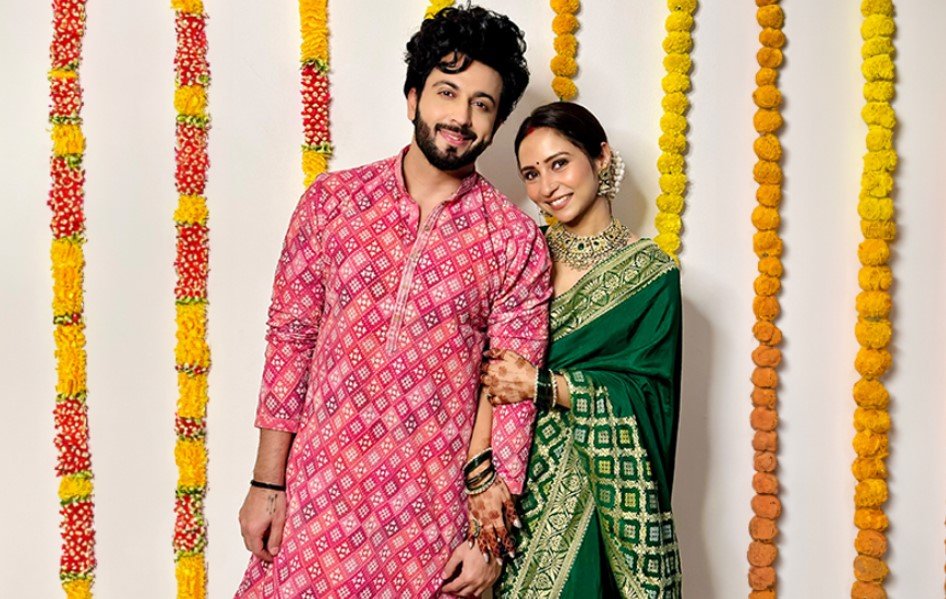
The Kurta Pajama is the backbone of men’s traditional wear. The Kurta is a loose shirt falling either just above or somewhere below the knees of the wearer, while the Pajama is a lightweight drawstring trouser.
For daily wear, men prefer cotton or linen Kurtas. For festive occasions, silk Kurtas adorned with subtle embroidery around the neckline are the norm. The Kurta is incredibly versatile; it can be worn with a pajama, a dhoti, or even a pair of modern denim jeans.
The Traditional Dhoti
The Dhoti is one of the oldest items of clothing in the Indian subcontinent. It consists of a rectangular piece of unstitched cloth, usually about 4.5 meters long, wrapped around the waist and legs and knotted at the waist.
While it is less commonly worn as everyday street clothes today, the Dhoti remains essential for religious ceremonies, weddings, and classical dance performances. In South India, it is often called a Veshti or Mundu and is worn with a shirt or a matching cloth draped over the shoulder.
The Bandhgala (Jodhpuri Suit)
The Bandhgala (meaning “closed neck”) is a formal suit that originated in the princely state of Jodhpur. It is the Indian equivalent of the Western tuxedo. The jacket features a high collar and is sharply tailored to provide a sleek, slimming silhouette. It is an excellent choice for men who want a fusion of modern tailoring and traditional aesthetics.
Regional Diversity: A Journey Through Indian Attire
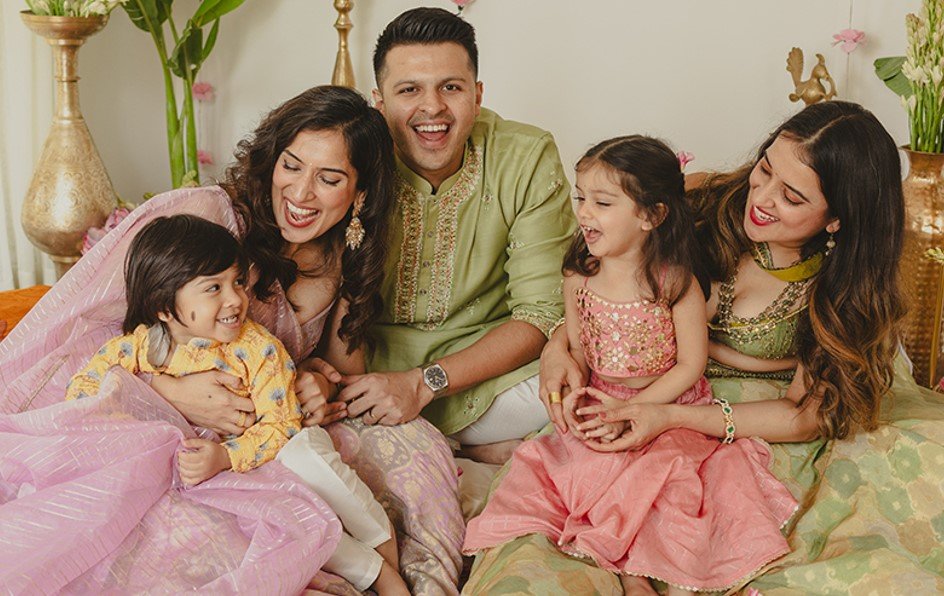
India’s geographical diversity is perfectly mirrored in its clothing. Let’s travel across the four corners of the country to explore regional traditional dress.
North India: Richness and Warmth
In the colder regions of North India, clothing is designed for warmth and visual impact.
- Kashmir: Both men and women wear the Pheran, a long, loose woolen cloak designed to keep out the bitter cold. Women’s Pherans are famously decorated with intricate Kashmiri thread work (Kashida embroidery).
- Punjab: Known for the vibrant Phulkari embroidery. Women wear the Salwar Kameez, while men traditionally wear the Kurta and Chadar (a type of draped lower garment), topped with a vibrant turban.
South India: Breathable Elegance
The tropical climate of South India dictates the need for breathable cottons and rich silks.
- Kerala: The traditional dress is the Kasavu, a brilliant white and gold garment. Women wear the Kasavu Saree, while men wear the white Mundu with a gold border.
- Tamil Nadu: Women are famous for wearing heavy, luxurious Kanjeevaram Silk Sarees during weddings. Men traditionally wear the white Veshti (dhoti) with an Angavastram (shoulder cloth).
East India: Handloom Masterpieces
Eastern India is a treasure trove of unique handloom weaving techniques.
- West Bengal: Women wear the Baluchari or Jamdani sarees, traditionally draped in the unique Bengali style with the pallu brought forward. Men wear the Panjabi (Kurta) and Dhoti.
- Assam: The traditional dress for women is the Mekhela Chador, a stunning two-piece garment that resembles a saree but is draped entirely differently, often woven from golden Muga silk.
West India: Mirrors and Tie-Dye
Western India is synonymous with vibrant colors, mirror work, and desert influences.
- Gujarat & Rajasthan: Women wear the Ghagra Choli (a highly flared skirt and blouse). These regions are famous for Bandhani (tie-dye) fabrics and heavy mirror work (Abhla Bharat) which catches the desert sun beautifully. Men often wear an Angarkha (an overlapping tunic) paired with a bright turban.
Fabrics and Embroidery: The Soul of Ethnic Wear
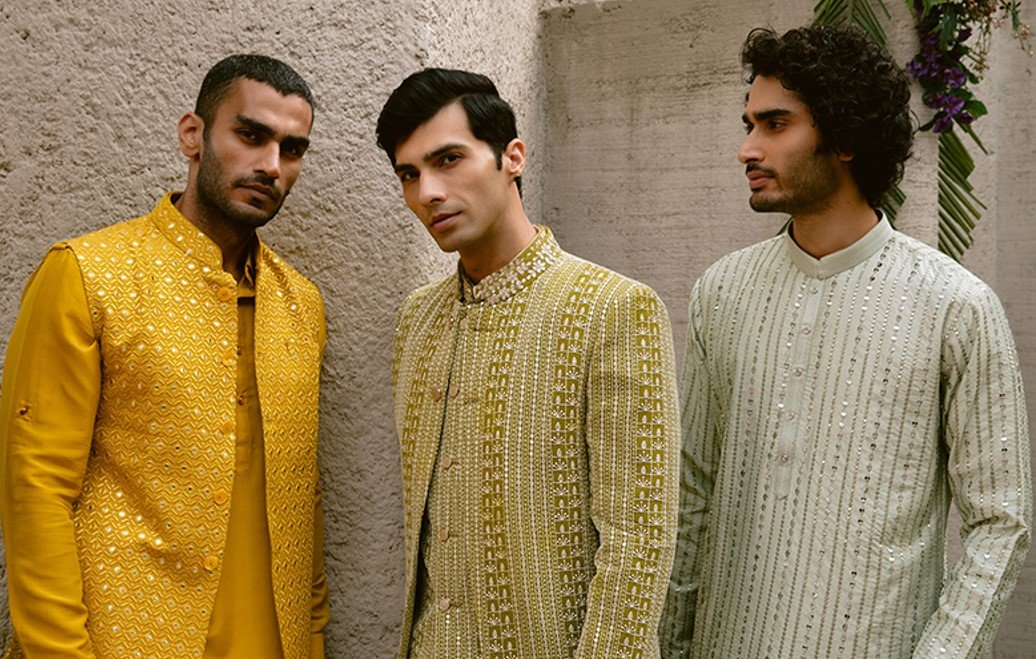
You cannot discuss traditional dress without understanding the textiles. India is home to some of the finest weaving and embroidery techniques in the world.
Iconic Indian Fabrics
- Silk: The undisputed king of festive wear. Notable varieties include Banarasi (from Varanasi, known for heavy gold brocade), Kanjeevaram (from the South, known for durability and rich colors), and Chanderi (a lightweight, sheer silk from Madhya Pradesh).
- Cotton: Ideal for the sweltering Indian summers. Indian handloom cottons like Khadi have deep historical significance, tied to Mahatma Gandhi’s independence movement.
- Georgette & Chiffon: Lightweight, flowing fabrics introduced much later, but now heavily used for modern sarees and Anarkali suits due to their beautiful drape.
Legendary Embroidery Techniques
- Zardosi: Heavy metallic thread weaving, often incorporating pearls and precious stones. Reserved for bridal wear.
- Chikankari: A delicate, shadow-work embroidery from Lucknow, traditionally done with white thread on pastel, sheer fabrics.
- Gota Patti: Originating in Rajasthan, this technique involves applying small pieces of golden or silver ribbon onto fabric to create elaborate patterns.
Saree vs. Lehenga Choli: Which Should You Choose?
For women attending an Indian event, the biggest dilemma is often choosing between a Saree and a Lehenga Choli. Here is a comparison to help you decide:
| Feature | Saree | Lehenga Choli |
| Structure | Unstitched, one continuous piece of fabric | Stitched, three-piece outfit (Skirt, Blouse, Dupatta) |
| Ease of Wearing | Requires practice to drape, pleat, and pin properly | Easy to wear; simply slip on the skirt and zip up the blouse |
| Mobility | Can restrict leg movement depending on the drape | Offers great freedom of movement; perfect for dancing (Sangeet) |
| Versatility | Extremely versatile; can be draped in 80+ ways | Limited to the cut and style in which it was stitched |
| Body Type | Flattering on all body types; easily adjustable | Requires careful selection of skirt flare to flatter the body |
| Best For | Receptions, religious ceremonies, formal dinners | Sangeet, Mehendi, Bridal wear, energetic events |
Pro Tip: If you want the regal look of a Saree but the comfort of a Lehenga, opt for a Lehenga Saree. This modern invention is a stitched skirt with pre-made pleats and an attached pallu, giving you the best of both worlds.
Pros and Cons of Wearing Traditional Indian Attire
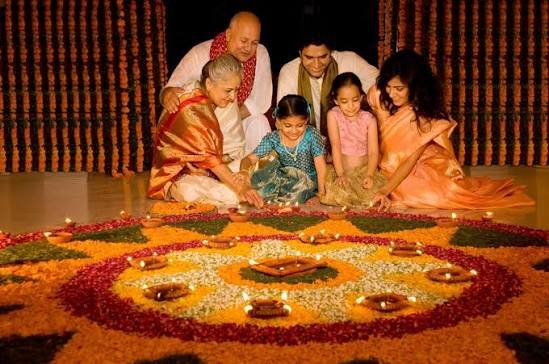
Like any fashion choice, ethnic wear comes with its own set of advantages and challenges.
Pros:
- Cultural Connection: Wearing traditional dress instantly connects you to centuries of history and heritage.
- Unmatched Elegance: The flow, embroidery, and vibrant colors offer a level of grandeur rarely found in Western wear.
- Flattering Fits: Garments like the saree and the dhoti are unstitched, meaning they can be adjusted to fit perfectly regardless of weight fluctuations.
- Support for Artisans: Purchasing authentic handloom and embroidered ethnic wear supports local weavers and traditional craftsmen.
Cons:
- Complex to Wear: Unstitched garments (like Sarees and Dhotis) have a steep learning curve and usually require assistance to put on the first time.
- High Maintenance: Silk, Zardosi, and mirror work cannot be machine washed. They require professional dry cleaning and careful storage to prevent tarnishing.
- Climate Sensitivity: Heavy bridal lehengas and velvet sherwanis can be incredibly hot and uncomfortable during summer weddings.
Click Now: Kalki Fashion Saree
How to Choose the Right Ethnic Wear for Every Occasion
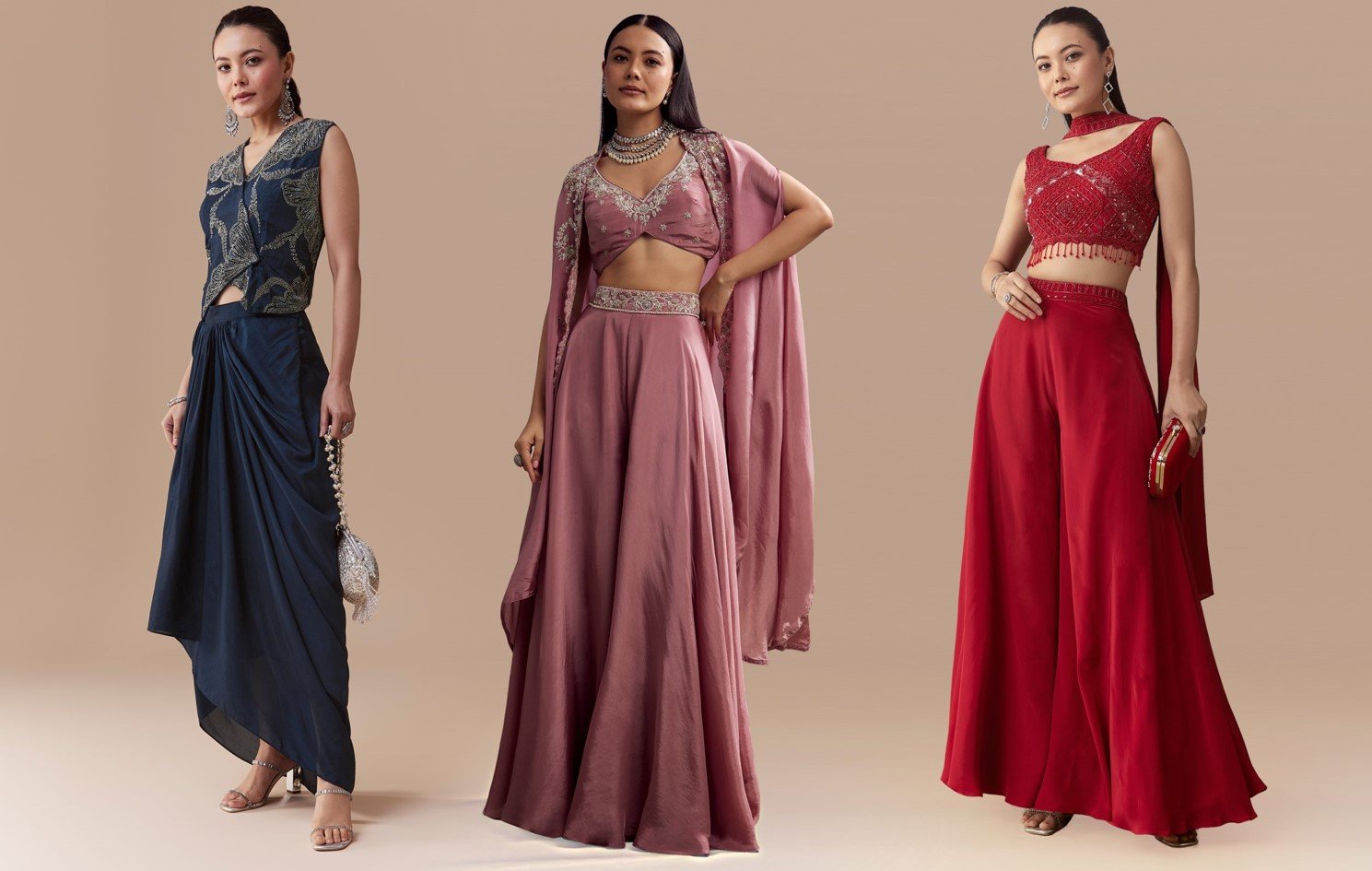
Choosing the right traditional dress depends heavily on the event, the time of day, and the venue.
For Weddings (As a Guest)
Avoid wearing plain white or pure black, as these colors are considered inauspicious in many Indian cultures. Also, avoid heavy bridal red so you do not upstage the bride.
- Women: Opt for a lightweight Banarasi silk saree, an Anarkali suit, or a pastel Lehenga.
- Men: A well-tailored Kurta Pajama with a contrasting Nehru Jacket (a sleeveless tailored vest) is a foolproof, stylish option.
For Festivals (Diwali, Eid, Navratri)
Festivals call for bright colors and comfortable fabrics, as they often involve moving around, visiting relatives, and dancing.
- Women: A Chanderi cotton saree or a vibrant Patiala suit. For Navratri, a traditional Gujarati Ghagra Choli with mirror work is mandatory.
- Men: A bright, solid-color Kurta Pajama in cotton or raw silk.
For Casual and Office Wear
Traditional dress has a strong presence in modern Indian corporate culture.
- Women: Straight-cut Kurtis paired with leggings or palazzo pants are the standard for daily wear. They are breathable, modest, and comfortable.
- Men: Short Kurtas paired with denim jeans offer a perfect Indo-Western casual look.
Frequently Asked Questions (FAQs)
1. What is the national dress of India?
India does not have one single official national dress due to its massive cultural diversity. However, the Saree for women and the Dhoti or Kurta Pajama for men are widely recognized globally as the standard Indian attire.
2. How long is a standard Saree?
A standard saree is usually 5.5 to 6 meters (around 6 to 6.5 yards) long. However, specific draping styles like the Maharashtrian Nauvari require a 9-yard saree.
3. What is the difference between a Kurta and a Kurti?
A Kurta is generally longer (reaching below the knees) and traditionally worn by men, though women wear them too. A Kurti is a shorter version (ending at the waist or mid-thigh) worn exclusively by women.
4. Can foreigners wear Indian traditional dress?
Absolutely! Indians generally consider it a sign of deep respect and appreciation when foreigners embrace and wear their traditional clothing, especially at weddings and cultural events.
5. What is a Dupatta used for?
A Dupatta is a long scarf worn with Salwar Kameez and Lehengas. Historically used as a symbol of modesty to cover the head or chest, today it is primarily a decorative accessory used to enhance the outfit.
6. Why do Indian brides wear red?
In Hindu culture, red represents the rising sun, prosperity, and fertility. It is considered the most auspicious color, making it the traditional choice for bridal lehengas and sarees.
7. How do I store heavy silk sarees?
Silk sarees should be wrapped in pure cotton or muslin cloth to allow the fabric to breathe. Avoid plastic covers. You should also unfold and refold them every few months to prevent permanent creasing and fabric tearing.
8. What shoes should men wear with a Sherwani?
Men should avoid Western formal shoes with a Sherwani. Instead, pair it with traditional footwear like Mojaris or Juttis, which are curved, embroidered leather shoes that match the royal aesthetic.
9. What is a Nehru Jacket?
Named after India’s first Prime Minister, Jawaharlal Nehru, it is a hip-length, sleeveless tailored coat with a mandarin collar. It is usually worn over a Kurta to add a layer of formal elegance.
10. Is an Anarkali suit the same as a gown?
While both are long and flowing, an Anarkali is essentially a tunic worn over a bottom (like a churidar) and paired with a dupatta, giving it distinct traditional roots. A gown is a Western one-piece garment.
Conclusion
Indian traditional dress is a brilliant reflection of the country’s soul. It weaves together thousands of years of history, the brilliance of local artisans, and the distinct cultural flavors of its many states.
Whether it is the timeless six yards of a Saree, the regal flair of a Sherwani, or the comforting embrace of a Salwar Kameez, ethnic wear offers something for everyone. Embracing these garments is not just about making a fashion statement; it is about celebrating an ancient, living art form.
Next time you are invited to a cultural event or a grand celebration, do not hesitate to step into a traditional outfit. When styled correctly, it will undoubtedly make you feel elegant, confident, and deeply connected to a beautiful heritage.