Kalki Fashion: Latest Indian Ethnic Wear Trends, Designs & Styling Ideas
If you have ever scrolled through wedding season photos on Instagram, chances are you have already seen a Kalki fashion outfit without even knowing it. From heavily embellished bridal lehengas to breezy festive kurtis, this Mumbai-born label has quietly become one of the most searched ethnic wear names in India.
But what makes Kalki different from the hundreds of other designer stores online? And is it actually worth your money for your next wedding, sangeet, or Diwali outfit?
This guide breaks down everything you need to know — the brand’s story, its most popular collections, pricing, quality, and how to shop smart so you get the best possible outfit without any regrets.
What Is Kalki Fashion?
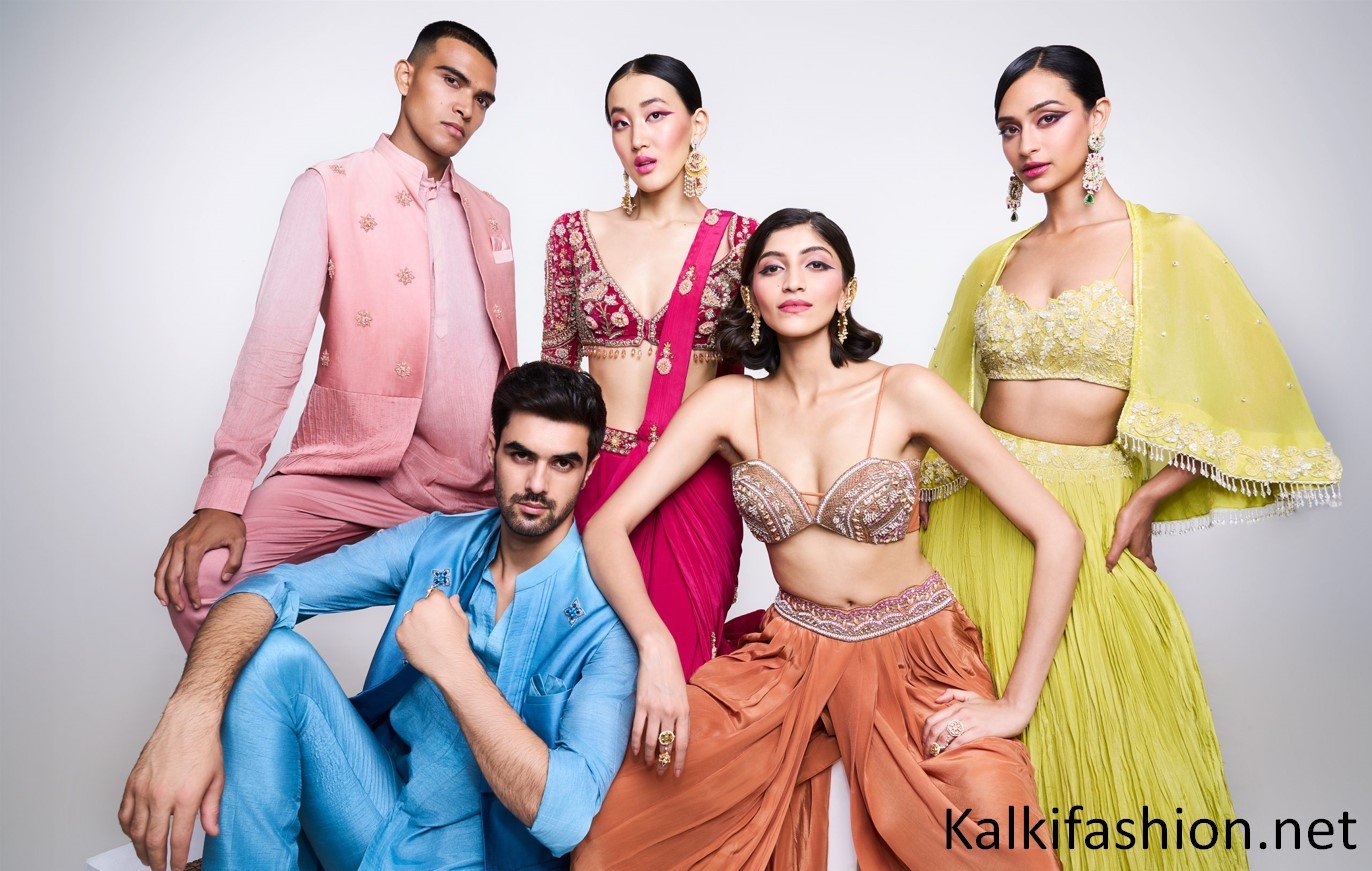
Kalki Fashion is an Indian ethnic wear brand that designs and sells sarees, lehengas, gowns, suits, and menswear for weddings, festivals, and everyday occasions. Born in Mumbai in 2007, the brand offers contemporary ethnic Indian fashion and fusion-wear styles for women, men, and kids.
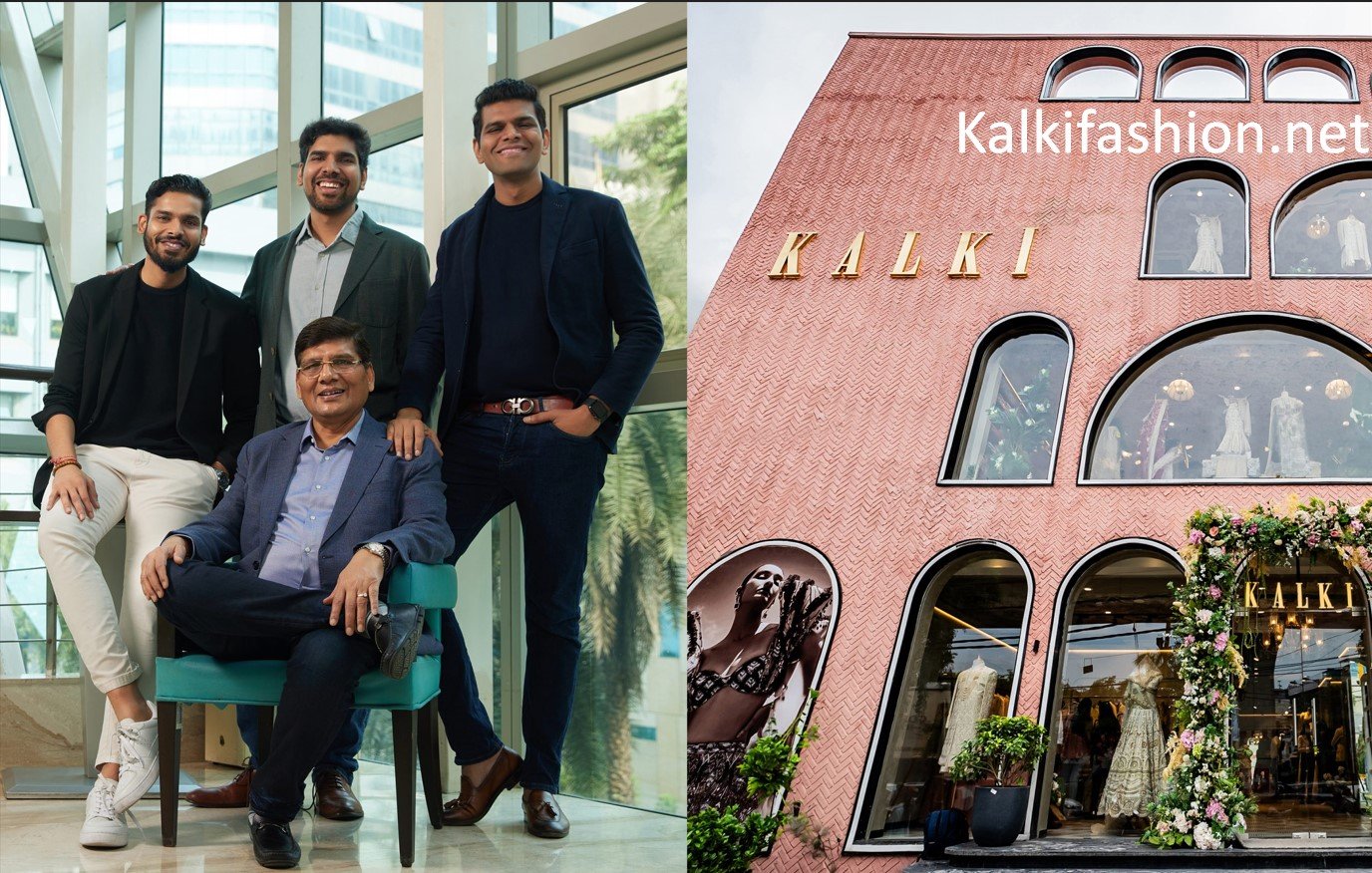
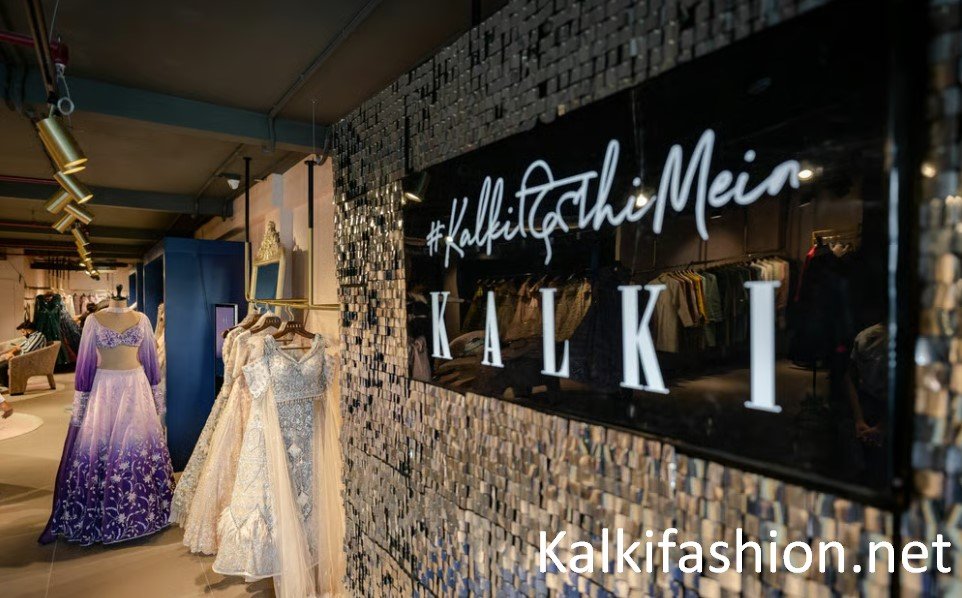
The brand has grown far beyond a single boutique. Today, Kalki operates eight flagship stores across major Indian cities alongside a strong online presence, blending tradition with current trends in bridal and festival wear. It ships internationally too, so shoppers outside India can access the same collections.
What sets Kalki apart is its focus on a specific gap in the market: outfits that feel premium and photograph beautifully, but without the sky-high price tag of a full couture designer label. This positioning has made it a go-to name for brides, bridesmaids, and festival-ready shoppers who want a “designer” look on a realistic budget.
Read More: Trending Silk Saree Designs for Every Occasion in India
The Story Behind the Brand
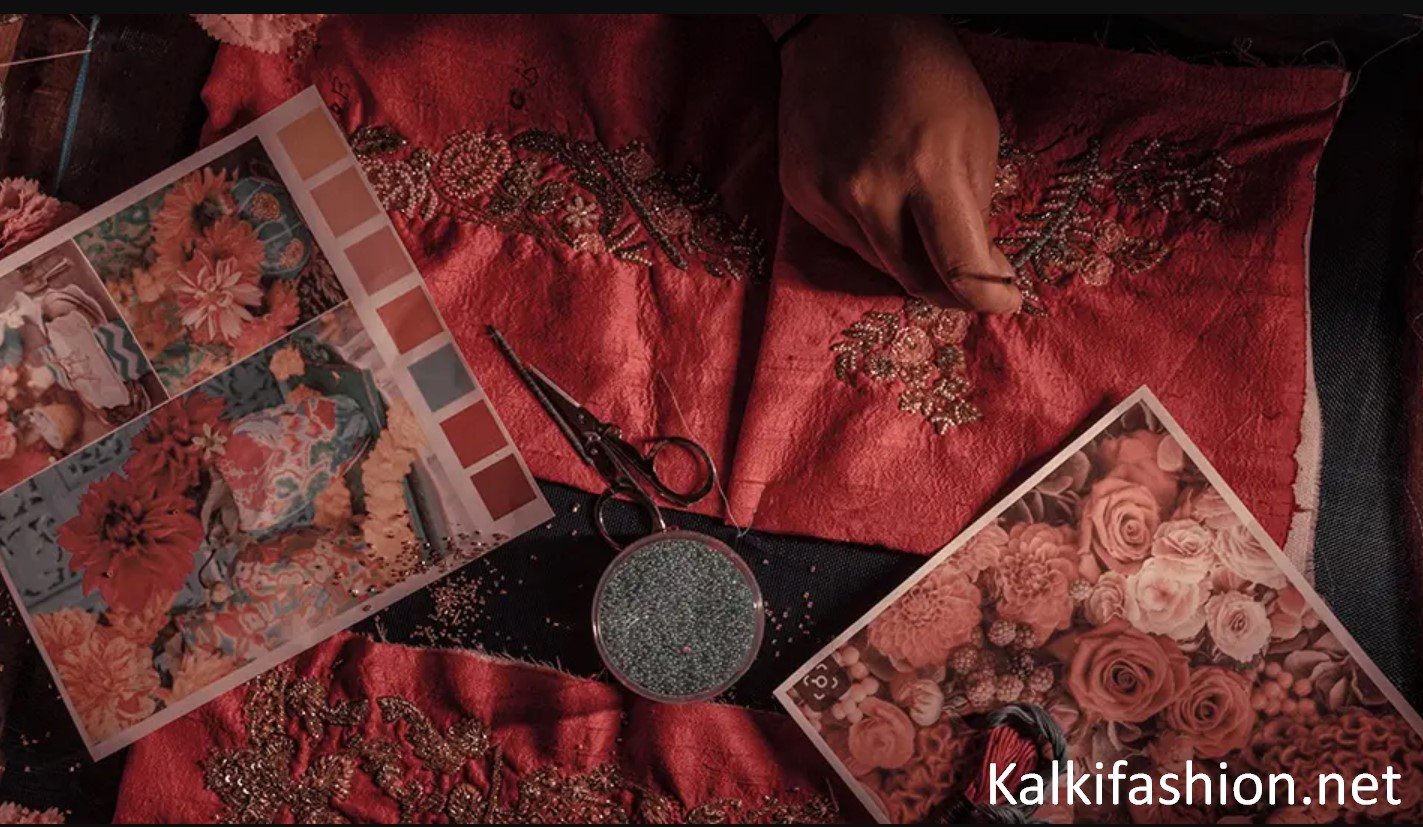
Every fashion label has an origin story, and Kalki’s is rooted in textiles long before it became a household name.
Kalki Fashion was founded by Shravan Gupta, whose early involvement in the textile industry inspired him to build a company that combines tradition with modern fashion, using his background in sourcing high-quality fabrics as the foundation for what became a globally recognised label.
Over the years, the brand shifted from a single physical store toward a digital-first model.Its website has become a major platform for ethnic wear, letting customers browse and buy garments, book virtual styling sessions, and even customise outfits from anywhere in the world.
This digital push mattered. Many Indian ethnic wear brands built their identity around a handful of flagship boutiques in metro cities, leaving smaller-town shoppers with limited access. Kalki’s online-first approach opened up designer-style ethnic wear to Tier 2 and Tier 3 cities, and to the Indian diaspora abroad.
More recently, the brand has attracted serious investor attention. A strategic investment alliance with Lighthouse Funds signals the next chapter for the label, as it looks to expand its reach in Indian ethnic fashion further. This kind of backing usually means faster growth, more stores, and continued investment in the online shopping experience — good news for anyone who already loves the brand.
What Kalki Fashion Is Known For
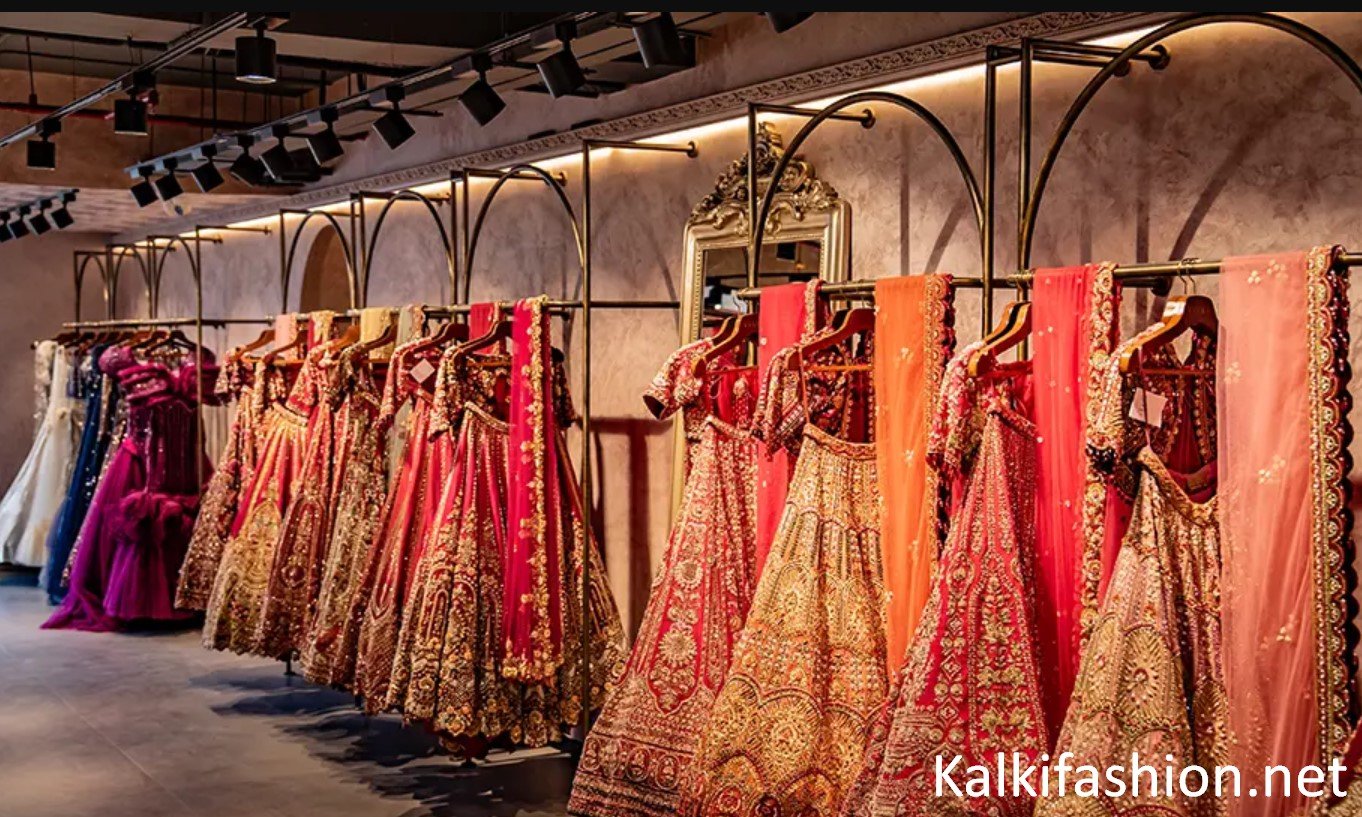
Kalki’s design language leans into fusion — a mix of deeply traditional Indian craft with modern silhouettes that feel wearable rather than costume-like.
Here’s what defines the brand’s aesthetic:
- Rich embellishments — heavy embroidery, mirror work, cut-dana, and sequins feature across bridal and party-wear lines.
- Bold, festive colour palettes — think jewel tones, pastels, and metallics that photograph well under wedding lighting.
- Fusion silhouettes — cape suits, jacket dresses, and Indo-western gowns sit alongside classic sarees and lehengas.
- Fabric variety — silk, brocade, and velvet appear across royal-looking pieces, while chiffon, organza, and georgette are used for lighter, more comfortable options.
- Complete family wardrobes — the brand designs for women, men, and children, so an entire family can coordinate outfits for one event.
Menswear at Kalki includes Angrakha styles, achkan patterns in brocade and silk, Jodhpuri sherwanis, and side-button kurtas designed to give a distinct, regal look. This is worth noting because a lot of ethnic wear brands treat menswear as an afterthought — Kalki clearly does not.
Popular Categories at Kalki Fashion
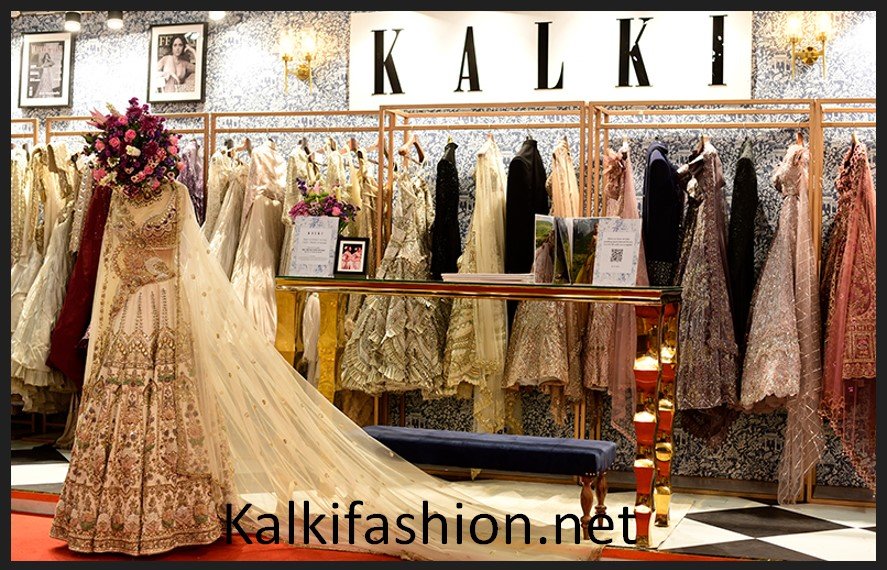
Bridal and Wedding Wear
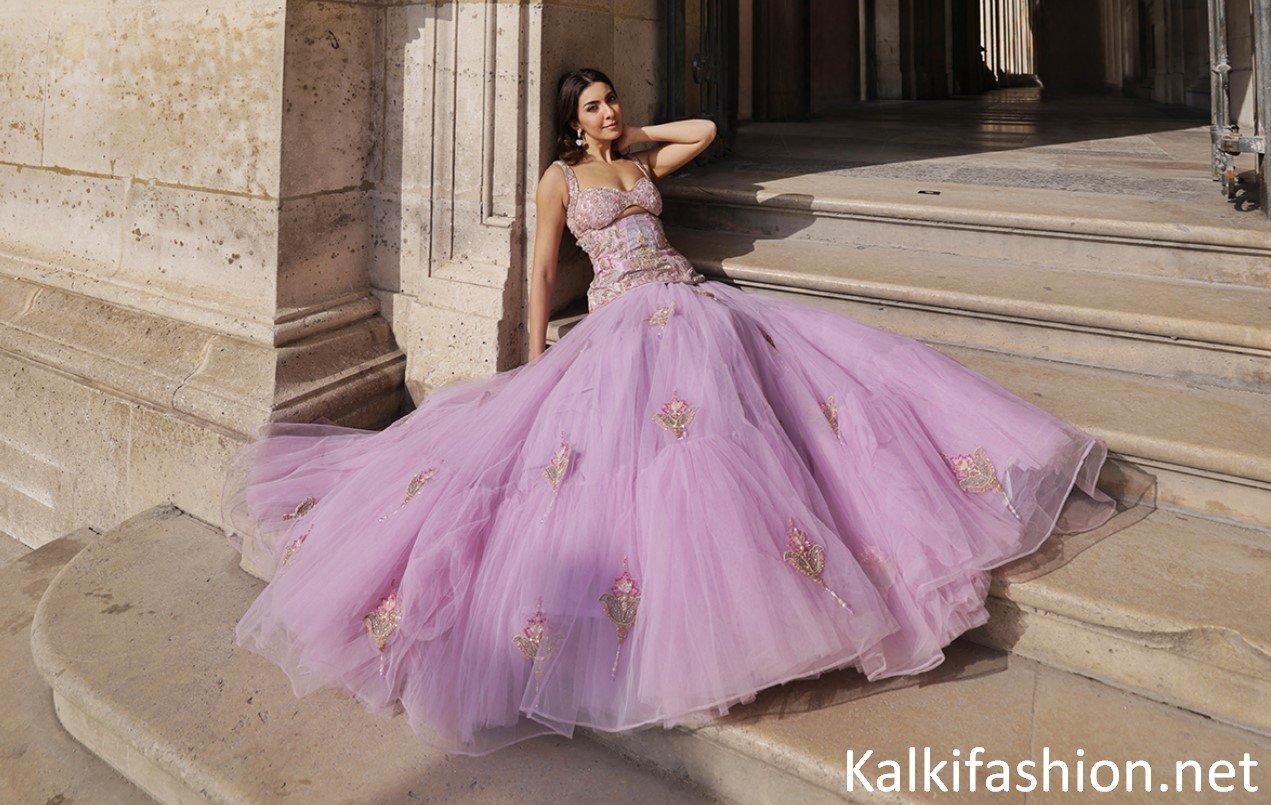
This is arguably where the brand built its reputation. Kalki has positioned itself as a leading destination for premium Indian silhouettes in bridal couture, drawing both domestic and international customers. Expect heavily worked lehengas, statement blouses, and matching dupattas designed specifically for the wedding stage.
Sarees
The saree collection ranges from new-age draped styles to more traditional options rooted in Indian culture, catering to different generations and preferences. Silk and embellished georgette sarees are especially popular for cocktail parties and receptions.
Anarkalis, Suits, and Kurtis
For festivals, office wear, and casual pooja outfits, Kalki’s suit and kurti range covers everything from minimal cotton pieces to elaborately embroidered Anarkalis.
Fusion and Indo-Western
Cape suits, ruffle gowns, and jacket-style dresses fall under this category — ideal for sangeets, cocktail nights, or any event that calls for something less traditional but still Indian at its core.
Menswear
Sherwanis, bandhgalas, and kurta sets designed to match the drama of the women’s bridal line, so couples and families can coordinate without settling for mismatched styles.
Kidswear
Miniature versions of adult silhouettes — lehengas, dhoti sets, and sharara dresses — so the youngest members of the family don’t get left out of the festive dressing.
Kalki Fashion Pricing: What to Expect
Pricing varies significantly depending on the category, fabric, and embellishment level. As a general guide:
| Category | Typical Price Range (INR) | Best For |
| Casual kurtis | ₹1,500 – ₹4,000 | Daily wear, office festive days |
| Anarkali suits | ₹3,500 – ₹9,000 | Festivals, family functions |
| Sarees (silk/georgette) | ₹4,000 – ₹15,000 | Weddings, receptions |
| Party wear gowns | ₹5,000 – ₹18,000 | Cocktail parties, sangeets |
| Bridal lehengas | ₹15,000 – ₹80,000+ | Weddings |
| Menswear (sherwani sets) | ₹6,000 – ₹25,000 | Groom wear, festive occasions |
Prices fluctuate with sales, seasonal collections, and fabric choices, so always check the current listing before finalising a budget.
Read More: One Piece Dress: Elegant, Trendy & Modern Outfit Ideas in India
Kalki vs Other Ethnic Wear Brands
Choosing where to shop for ethnic wear can be overwhelming. Here’s how Kalki generally compares to two common alternatives — boutique designer labels and mass-market fast fashion sites.
| Factor | Kalki Fashion | Boutique Designer Labels | Mass-Market Ethnic Sites |
| Price point | Mid to upper-mid range | High to very high | Low to mid |
| Design detailing | Strong embroidery and embellishment focus | Highly customised, often one-of-a-kind | Basic, machine-heavy work |
| Customisation | Available for select pieces | Extensive, made-to-measure | Rarely offered |
| Online experience | Well-developed, virtual styling available | Limited, mostly in-store | Varies widely |
| Delivery reach | Pan-India plus international shipping | Often local or limited shipping | Wide but inconsistent quality |
| Best for | Weddings on a realistic budget | Ultra-premium, exclusive occasions | Everyday casual ethnic wear |
Pros and Cons of Shopping at Kalki Fashion
Pros
- Wide range covering women, men, and kids in one place
- Strong focus on embellishment and bridal-ready detailing
- Virtual styling consultations for online shoppers
- Both physical stores and a well-built e-commerce platform
- International shipping for diaspora customers
- Frequent new collection drops to match the festive calendar
Cons
- Premium bridal pieces can get expensive quickly
- Sizing can vary between silhouettes, so checking the size chart matters
- Heavily embellished pieces may need dry-cleaning-only care
- Limited physical stores compared to purely local boutiques
- Popular styles during wedding season can sell out fast
How to Choose the Right Kalki Outfit
Picking the right piece isn’t just about liking a photo online. A few practical checks make a real difference:
- Match the outfit to the occasion. A heavily embellished lehenga suits a wedding stage, but a lighter Anarkali or fusion gown works better for a sangeet or brunch.
- Check the fabric before the design. Silk and velvet drape beautifully but feel heavier in summer; georgette and chiffon are cooler and easier to move in.
- Consider the event’s colour theme. Red, gold, beige, and bronze remain classic choices for lehengas and sarees, especially for traditional ceremonies.
- Think about alterations. Even with an accurate size chart, most bridal and party wear benefits from a local tailor’s final touch, especially around the blouse and waistline.
- Factor in accessories early. Statement jewellery, footwear, and a clutch should be planned alongside the outfit, not as an afterthought.
Tips Before You Buy Online
Online ethnic wear shopping comes with its own learning curve. Keep these points in mind:
- Read the size chart carefully — ethnic wear sizing often differs from regular Western clothing sizes.
- Check the return and exchange policy before purchase, especially for bridal pieces that are harder to alter after the fact.
- Order at least 3–4 weeks before the event to allow time for delivery, fitting, and any last-minute alterations.
- Zoom into product photos to check embroidery density and fabric texture, not just colour.
- Save your favourites during sale periods — many festive and bridal pieces get discounted around major Indian festivals.
Read More: Formal Dress for Men: Latest Trends, Colors & Styling Tips
Frequently Asked Questions
1. Is Kalki Fashion a genuine Indian brand?
Yes. Kalki was founded in Mumbai, India, in 2007 and continues to design contemporary ethnic and fusion wear for women, men, and kids.
2. What is Kalki Fashion best known for?
The brand is best known for its bridal lehengas and occasion wear, along with a wide range of sarees, Anarkalis, gowns, and menswear that blend traditional Indian craft with modern silhouettes.
3. Does Kalki Fashion ship internationally?
Yes, the brand has an established online presence that serves customers both within India and internationally, alongside its physical stores.
4. Is Kalki Fashion affordable for a middle-class budget?
It depends on the category. Everyday kurtis and suits are reasonably priced, while heavily embellished bridal lehengas sit at a higher price point, reflecting the detailing involved.
5. Can I get a Kalki outfit customised?
Select pieces, especially bridal wear, offer customisation options. It’s best to check the specific product page or contact customer support for confirmation before ordering.
6. How do I know my correct size when buying online?
Always refer to the brand’s specific size chart rather than assuming your regular size, since ethnic silhouettes like lehengas and Anarkalis fit differently from Western wear.
7. Does Kalki Fashion have physical stores I can visit?
Yes, the brand operates flagship stores across major Indian cities, including a well-known store in Mumbai, alongside its online platform.
8. What fabrics does Kalki commonly use?
Common fabrics include silk, brocade, velvet, chiffon, organza, and georgette, chosen based on whether the outfit is meant for a formal occasion or everyday festive wear.
9. Is Kalki Fashion suitable for menswear too?
Yes, the brand designs sherwanis, kurtas, and Indo-western pieces for men, meant to complement the women’s bridal and festive collections.
10. When is the best time to shop at Kalki Fashion for discounts?
Major Indian festive seasons and end-of-season sales typically bring the best discounts, so keeping an eye on the brand’s sale section ahead of weddings or festivals can help you save.
Conclusion
Kalki fashion has carved out a genuine niche in India’s crowded ethnic wear market by focusing on what shoppers actually want: outfits that look premium, photograph well, and don’t require a boutique-level budget to own. From its Mumbai roots in 2007 to its current mix of flagship stores, online shopping, and fresh investor backing, the brand has grown steadily without losing its focus on bridal and festive wear.
Whether you’re shopping for a wedding lehenga, a festive saree, or a coordinated family outfit for Diwali, doing your homework on sizing, fabric, and timing will help you get the most out of your purchase. Ethnic wear is an investment in a moment that matters — and knowing exactly what you’re buying makes that moment feel even better.