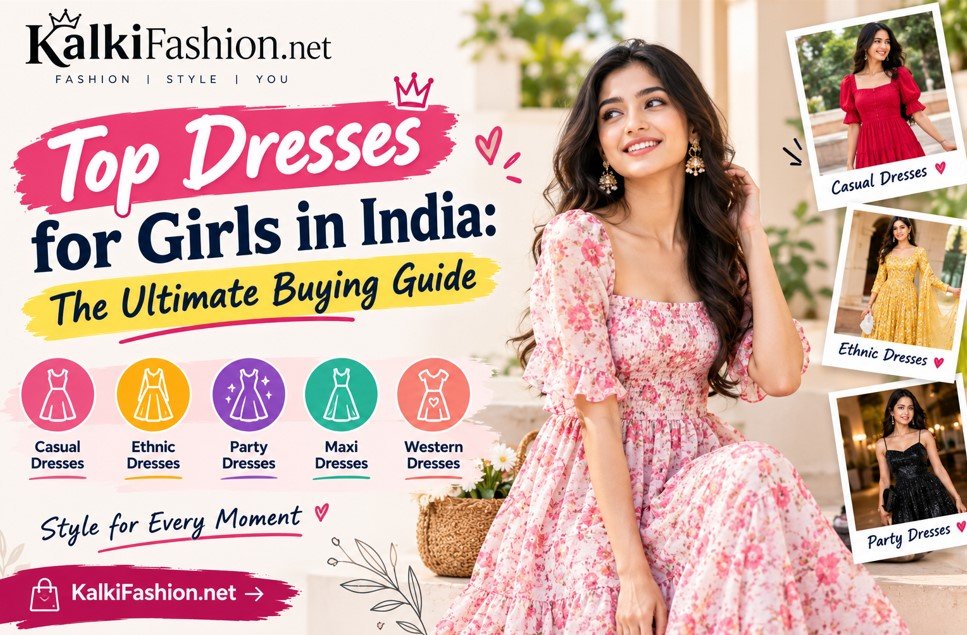
Top Dresses for Girls in India: The Ultimate Buying Guide (2026)
Shopping for the perfect dress for girls can feel overwhelming. Whether you are navigating crowded local bazaars or scrolling through endless online catalogs, the sheer variety of options is staggering. In India, parents face a unique challenge: balancing the desire for vibrant, stylish outfits with the practical need for comfort in a diverse and often humid climate.
You want a dress that looks adorable for a family wedding, yet won’t leave your child itchy, sweating, or throwing a tantrum halfway through the event. You need outfits that survive playground tumbles, endless washes, and sudden growth spurts.
This comprehensive guide will walk you through everything you need to know about choosing the best dress for girls. We will explore essential wardrobe styles, deep-dive into the best fabrics for Indian weather, decode confusing size charts, and review the top trends for 2026. By the end of this article, you will have all the expert knowledge needed to build a smart, stylish, and comfortable wardrobe for your little one.
Dress for Girls:
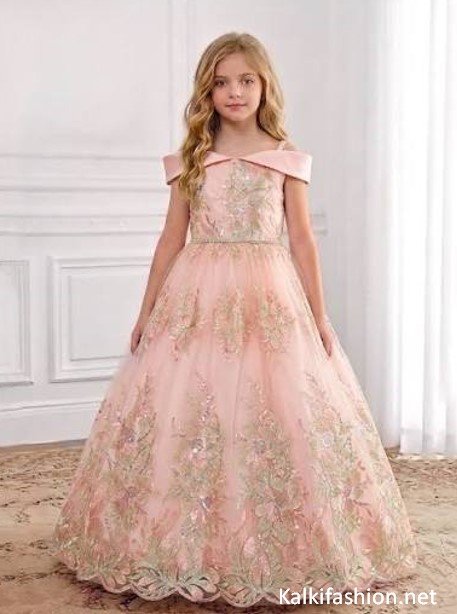
India is a country of vibrant celebrations, changing seasons, and diverse cultural expectations. When you buy a dress for girls, you aren’t just picking out a piece of clothing; you are making a decision based on the occasion, the local weather, and cultural norms.
A heavy velvet gown might look stunning in a display window, but it is entirely impractical for an outdoor daytime event in Chennai. Similarly, a simple cotton slip dress might be perfect for a Mumbai summer but will fall short during a chilly Delhi winter evening.
Understanding this balance is the key to smart shopping. Your goal should always be comfort first, style second. When a child is comfortable, they are confident. They play freely, smile brighter for photos, and actually enjoy the festivities. Therefore, building a practical wardrobe requires categorizing dresses by their primary function.
A well-rounded wardrobe prevents the last-minute panic of having “nothing to wear” to a sudden birthday party or family puja. Here are the core categories every girl needs in her closet.
Casual Wear: Comfort Meets Style
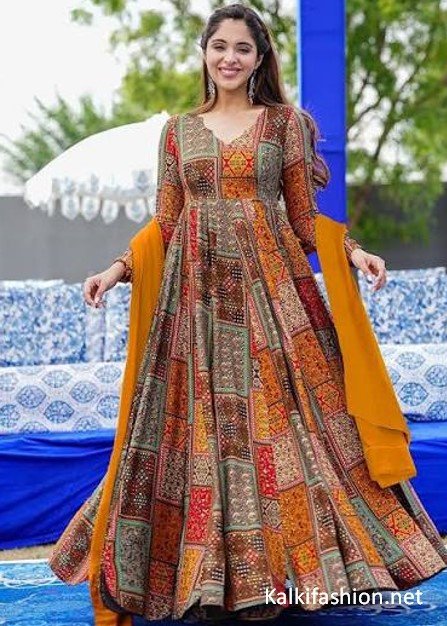
For daily wear, playdates, and casual outings, comfort reigns supreme. Casual dresses need to be breathable, easy to wash, and non-restrictive.
- A-Line Frocks: The classic A-line silhouette is fitted at the shoulders and flares out slightly. It offers plenty of room for running and playing.
- Tiered Cotton Dresses: These feature layered fabric that gives a beautiful spin effect without being heavy. They are perfect for humid summer afternoons.
- Pinafores: Worn over a simple t-shirt, pinafores are incredibly versatile. You can swap the t-shirt to create multiple looks from a single dress.
- Maxi Dresses: Lightweight, ankle-length dresses provide sun protection while remaining breezy.
Festive and Traditional Wear
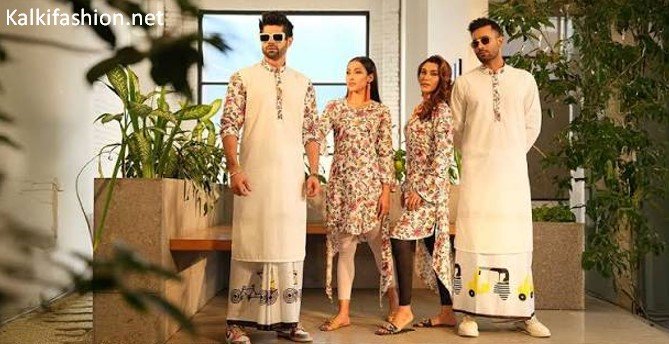
Indian festivals and weddings demand rich colors, intricate embroidery, and traditional silhouettes. However, kids’ ethnic wear has evolved significantly to prioritize comfort alongside tradition.
- Lehenga Cholis: The quintessential Indian outfit. Modern kids’ lehengas often feature attached dupattas (to prevent tripping) and elastic waistbands for ease of wear.
- Anarkali Suits: These flared, floor-length dresses are regal and elegant. Look for options with soft cotton linings to prevent the outer embroidery from scratching the skin.
- Kurta and Sharara Sets: Shararas (flared pants) paired with short kurtas are highly trending. They offer the grandeur of a lehenga but the mobility of trousers.
- Indo-Western Gowns: For parents who want a blend of both worlds, Indo-western gowns feature Indian embroidery on Western gown silhouettes.
Party Wear: For Birthdays and Special Events
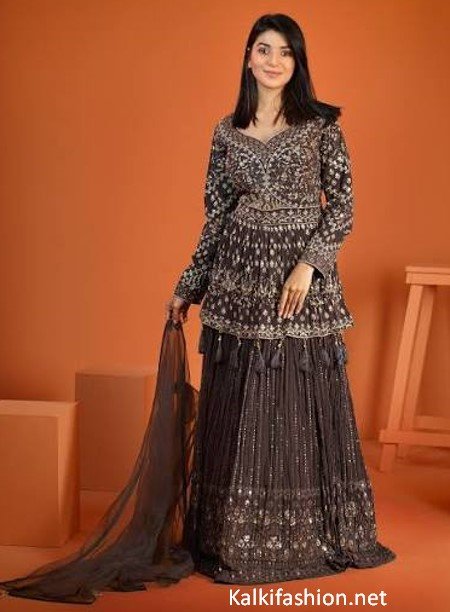
When your little girl is the star of the show, she needs a dress that stands out. Party wear focuses on volume, sparkle, and unique designs.
- Tutu Dresses: Made from layers of soft tulle, these dresses make any girl feel like a ballerina. Ensure the inner lining is pure cotton.
- Sequin Dresses: Perfect for evening parties under bright lights. Always check that the sequins are securely stitched and do not irritate the neckline or armholes.
- High-Low Dresses: Featuring a hemline that is short in the front and long in the back, this modern style is highly fashionable and prevents the child from tripping over a long hem while running.
Seasonal Essentials
India’s diverse geography means seasonal wardrobes vary wildly from state to state.
- Summer: Breathable cottons, sleeveless cuts, and pastel floral prints.
- Winter: Layered dresses, woolen frocks paired with thermal leggings, and velvet traditional wear that provides natural insulation.
The fabric you choose dictates how often the dress will actually be worn. A scratchy synthetic material will be rejected by your child immediately, no matter how beautiful it is.
1. Cotton: The Undisputed King
Cotton is the most essential fabric for the Indian climate. It is highly breathable, absorbs sweat rapidly, and is hypoallergenic. For everyday wear, 100% pure cotton is non-negotiable. Look for specific Indian weaves like Ikat, Kalamkari, or Mangalgiri cotton for a traditional touch on casual dresses.
2. Silk and Silk Blends
Pure silk is luxurious, naturally temperature-regulating, and perfect for winter weddings. However, it requires dry cleaning. For kids, cotton-silk blends (like Chanderi) are an excellent alternative. They offer the sheen of silk with the breathability and easier maintenance of cotton.
3. Linen
Linen is highly breathable and perfect for the scorching heat of North Indian summers. It does wrinkle easily, which can be frustrating for formal events, but it lends a chic, relaxed look to casual wear.
4. Tulle and Net
Tulle gives party gowns their princess-like volume. However, raw net is notoriously scratchy. If buying a tulle dress, aggressively inspect the lining. The innermost layer touching the child’s skin must be a soft, breathable material.
5. Velvet
Velvet is making a massive comeback for winter festive wear. It is warm, looks incredibly rich, and drapes beautifully. It is ideal for December weddings in cooler cities.
One of the biggest hurdles when buying a dress for girls, especially online, is sizing. Age is a terrible metric for clothing size because children grow at wildly different rates. A 5-year-old might easily fit into a size meant for a 7-year-old, or vice versa.
Always measure your child before buying. Here is how to do it correctly:
- Chest: Measure around the fullest part of the chest, keeping the tape measure horizontal. Allow two fingers of slack for breathing room.
- Waist: Measure around the natural waistline (usually just above the belly button). Do not pull the tape too tight.
- Length: For short dresses, measure from the shoulder down to the knee. For gowns or lehengas, measure from the waist down to the ankle.
Pro-Tip for Indian Ethnic Wear: Always buy traditional wear slightly loose. You can easily take in a loose seam, but restrictive ethnic wear will make a child miserable. Look for lehengas with drawstrings rather than fixed zippers.
Kids’ fashion mirrors adult trends while maintaining a playful edge. Here is what is dominating the racks in 2026:
- Pastel Power: Soft lavender, mint green, and powder blue have largely replaced the traditional loud pinks and reds for daytime events.
- Neon Accents: Subtle pops of neon (like a neon tassel on a subtle yellow kurta) are highly popular for festive wear.
- Bold Floral Prints: Oversized, tropical floral prints are trending heavily for casual summer dresses.
- Traditional Motifs: Block prints featuring elephants, peacocks, and lotuses are being used extensively in modern, Western-style midi dresses, creating a beautiful Indo-Western fusion.
When deciding what type of dress to buy for an upcoming event, consider the pros and cons of both styles.
Traditional Wear VS Western Wear:
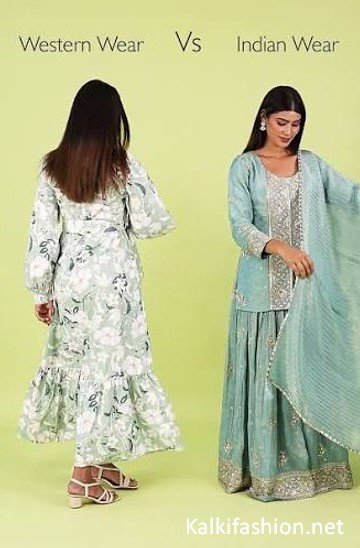
| Feature | Traditional Wear (Lehengas, Suits) | Western Wear (Gowns, Frocks) |
| Best Occasions | Weddings, Pujas, Festivals (Diwali, Eid) | Birthdays, Casual outings, Western parties |
| Mobility | Can be restrictive if heavily embroidered | Generally allows for higher mobility |
| Reusability | Often worn only 1-2 times before outgrown | High reusability for daily or semi-formal use |
| Footwear Pairing | Mojaris, Juttis, Embellished sandals | Sneakers, Mary Janes, Ballet flats |
| Maintenance | Usually requires dry cleaning | Mostly machine washable (except heavy gowns) |
| Cost | Generally more expensive due to embroidery | Ranges from highly affordable to premium |
A great dress for girls is only half the outfit; styling completes the look.
Footwear:
Never sacrifice foot comfort for aesthetics. Heavy, stiff shoes will ruin an event faster than an itchy dress. Pair casual dresses with soft, breathable sneakers or open-toed sandals. For traditional wear, soft leather juttis are beautiful, but break them in a few days before the event to prevent blisters.
Hair Accessories:
Keep hair accessories lightweight. Heavy metal clips pull on fine hair. Opt for soft fabric headbands, floral tiaras for birthdays, or simple matching scrunchies.
Jewelry:
For traditional wear, avoid heavy metal necklaces that can cause skin irritation. Opt for lightweight thread-based jewelry or small, smooth bangles. Less is always more when styling children.
The age-old debate: should you buy from a boutique or order from an app?
Buying Online
Pros:
- Unmatched variety and access to niche, independent designers.
- Easy price comparison across multiple platforms.
- Convenient home delivery and hassle-free return policies.
- Access to customer reviews detailing true fit and fabric quality.
Cons:
- You cannot touch the fabric to test its softness.
- Colors often look slightly different on a screen versus reality.
- Sizing charts can be inconsistent between different brands.
Buying Offline (Retail Stores)
Pros:
- Tactile shopping; you can feel the fabric and check the inner linings.
- Accurate trial fittings ensure the dress fits perfectly before purchase.
- Immediate gratification—no waiting for shipping.
Cons:
- Limited inventory and fewer style options compared to online stores.
- Requires significant time and energy, which can be exhausting for children.
- Often more expensive due to retail markups.
The Best Approach: Buy daily wear and casual dresses online where sizing is more forgiving. For heavy, expensive traditional wear, buy offline or order from trusted online brands with excellent return policies.
Kids are messy. Food spills, mud, and grass stains are inevitable. Proper care ensures the dress survives to be worn again or passed down.
- Read the Labels: Never ignore the care tag. If it says dry clean only, do it. Washing silk or heavy velvet at home will ruin the garment.
- Spot Clean Immediately: Treat stains the moment they happen. Use a mild liquid detergent on food stains before they set into the fabric fibers.
- Wash Inside Out: Always turn embellished or printed dresses inside out before washing to protect the outer surface from friction.
- Avoid the Dryer: High heat destroys elastic waistbands and shrinks cotton. Air dry dresses in the shade to prevent the sun from fading vibrant colors.
- Storage: Store heavy traditional wear in breathable cotton garment bags, not plastic. Plastic traps moisture, which can lead to mold during the Indian monsoon season.
While local markets offer great bargains, several Indian brands have mastered the art of kids’ fashion, offering reliable sizing and high-quality fabrics.
- Biba Girls: Excellent for high-quality, comfortable ethnic wear.
- FabIndia Kids: The best destination for breathable, authentic Indian cottons and block prints.
- Nauti Nati: Great for trendy, Western party wear and casual frocks.
- Mothercare: Reliable for ultra-soft, everyday cotton essentials for younger girls.
- Global Desi Girl: Perfect for quirky Indo-Western fusion wear.
Children outgrow clothes rapidly. Spending a fortune on a dress that will be worn twice is rarely a smart financial decision.
Invest in Basics: Spend good money on everyday essentials—high-quality cotton frocks and durable footwear. These items see the most wear and tear.
Rent or Resell Heavy Ethnic Wear: For one-off events like weddings, consider renting heavily embroidered lehengas, or buy them with the intention of reselling them on community platforms once outgrown.
Size Up Strategically: Buy winter wear (like jackets and velvet dresses) one size up. They can be worn slightly oversized the first year and will fit perfectly the following winter.
Frequently Asked Questions
1. What is the safest fabric for a girl’s dress?
100% pure cotton is the safest and most comfortable fabric. It is hypoallergenic, breathable, and prevents heat rashes, making it ideal for the Indian climate.
2. How do I remove stubborn stains from a white cotton dress?
Create a paste of baking soda and water, apply it to the stain, and let it sit for 30 minutes before washing with a gentle detergent. For tough grease, a drop of dish soap works wonders.
3. Are sequins safe for toddler dresses?
Sequins can be highly abrasive and pose a choking hazard if they come loose. For toddlers (under 3 years), it is best to avoid sequins altogether. Opt for embroidery or fabric appliques instead.
4. How much larger should I buy traditional wear?
Buy traditional wear with at least a 1 to 1.5-inch margin in the chest and waist. Look for garments that have extra fabric tucked inside the seams, allowing a tailor to loosen the dress as the child grows.
5. What is the difference between a frock and a gown?
A frock usually refers to a knee-length, casual, or semi-formal dress with a flared skirt. A gown is a formal, floor-length dress typically reserved for parties, weddings, and special events.
6. Can winter dresses be stylish?
Absolutely. Velvet dresses, woolen pinafores worn over turtlenecks, and thick cotton-blend dresses paired with vibrant stockings or thermal leggings look incredibly stylish while keeping the child warm.
7. How do I stop my child from complaining about itchy traditional clothes?
Always ensure the garment has a pure cotton inner lining. If it doesn’t, have your child wear a thin, soft cotton camisole and soft leggings underneath the ethnic wear to act as a barrier against itchy embroidery.
8. Is it okay to buy kids’ clothes online?
Yes, but always measure your child and compare the numbers against the specific brand’s size chart. Never rely solely on age-based sizing. Ensure the website has a hassle-free return policy.
Conclusion
Choosing the perfect dress for girls goes far beyond picking the prettiest color on the rack. It requires a thoughtful balance between honoring cultural traditions, staying ahead of fashion trends, and prioritizing the ultimate comfort of the child.
In a diverse climate like India, understanding fabrics is your secret weapon. Prioritize breathable cottons for daily wear, inspect the linings of heavy party wear, and never underestimate the importance of an accurate tape measure.
By building a wardrobe categorized by occasion—casual, festive, and party wear—you will always be prepared for whatever event comes your way. Remember, the best dress is not the one with the most sequins or the highest price tag; it is the one that allows your little girl to run, play, and celebrate with total joy and confidence. Happy shopping!