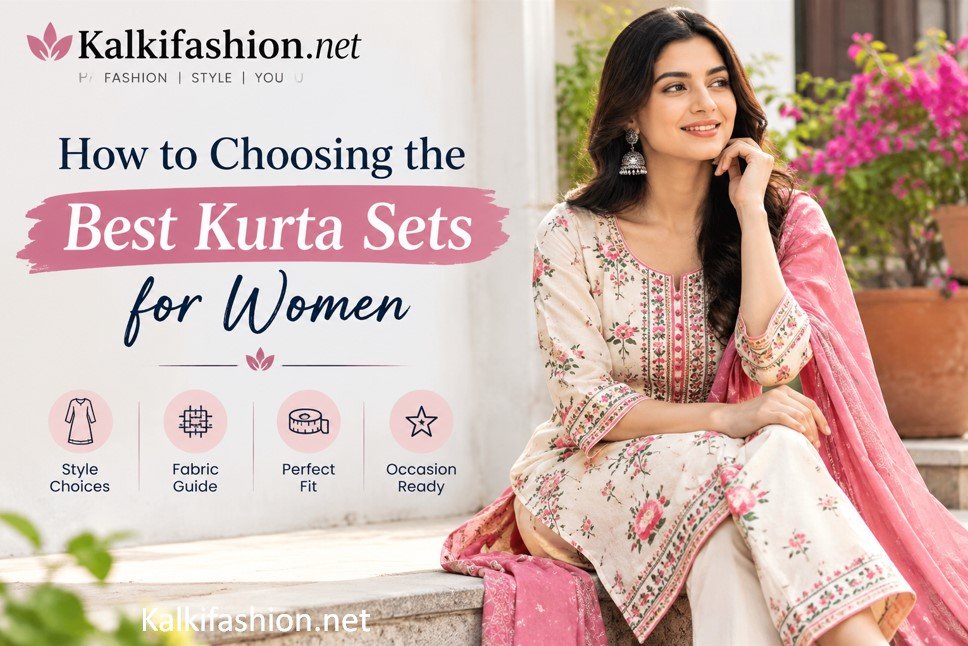
How to Choosing the Best Kurta Sets for Women
Nothing matches the elegance, comfort, and versatility of Indian ethnic wear. Over the years, fashion has evolved, but kurta sets for women remain a timeless staple in every wardrobe. Whether you need a simple outfit for daily wear, a professional look for the office, or a glamorous ensemble for a wedding, a well-chosen kurta set always delivers.
This guide will walk you through everything you need to know about selecting the perfect ethnic wear. We will explore fabric choices, body-type matching, current fashion trends, and essential styling tips. By the end of this article, you will know exactly how to shop for and style your next favorite outfit.
Why Kurta Sets are a Wardrobe Essential
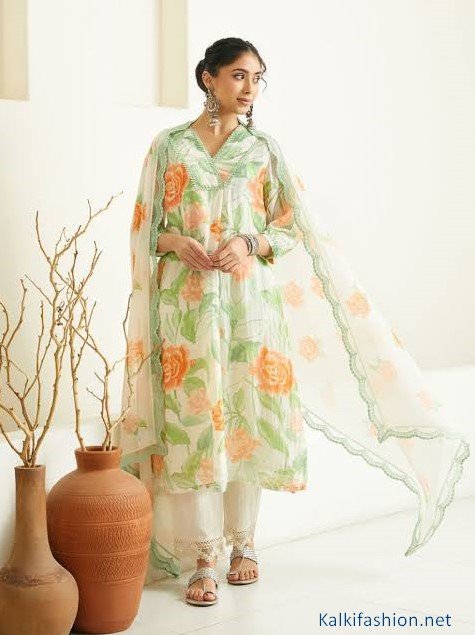
In India, ethnic fashion is more than just clothing; it reflects culture, climate, and comfort. Kurta sets for women perfectly bridge the gap between traditional grace and modern functionality.
First, they offer incredible versatility. You can mix and match a single kurta with jeans, leggings, palazzos, or skirts. This interchangeable nature expands your wardrobe options without requiring a massive shopping budget.
Second, they cater to India’s diverse climate. From the scorching summers of Delhi to the humid monsoons of Mumbai, you can find a fabric and cut that keeps you comfortable. The relaxed fit allows your skin to breathe, making it superior to tight western wear during long, hot days.
Finally, they require zero styling stress. A matching set takes the guesswork out of getting dressed in the morning. You do not need to worry about color coordination; the designer has already done the heavy lifting. You just put it on, add minimal jewelry, and step out looking effortlessly polished.
Top Fabric Choices for Women’s Kurta Sets
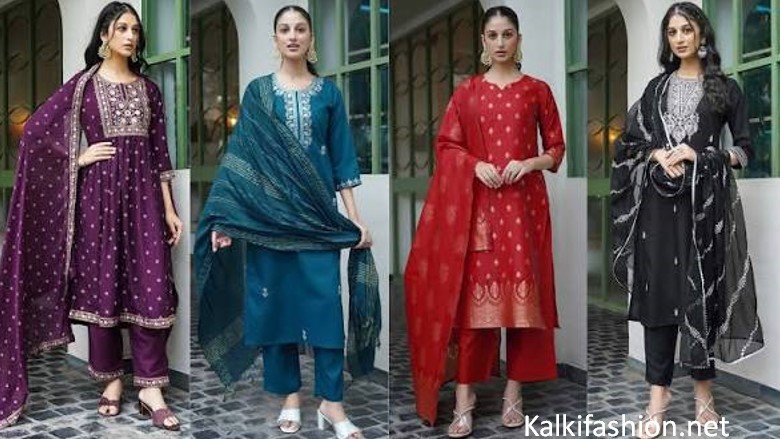
The fabric dictates how your outfit looks, feels, and drapes. Choosing the right material ensures you stay comfortable while looking your best.
1. Breathable Cotton
Cotton is the undisputed king of daily wear in India. It absorbs sweat, allows air circulation, and feels soft against the skin. Cotton kurta sets are ideal for office wear, running errands, and casual outings. They feature block prints, light embroidery, and simple silhouettes.
2. Luxurious Silk
When the occasion demands glamour, silk is the answer. Silk reflects light beautifully, giving your outfit a rich, regal appearance. You will often see silk used for wedding guest attire, Diwali parties, and formal dinners. Keep in mind that silk requires dry cleaning and careful storage.
3. Flowy Georgette
Georgette is a lightweight, semi-sheer fabric that drapes flawlessly. It is bouncy and slightly textured. Designers love using georgette for Anarkalis and flared palazzos because it creates beautiful movement when you walk. It is highly durable and resists wrinkles, making it great for travel.
4. Comfortable Rayon
Rayon offers the softness of cotton and the smooth drape of silk at a fraction of the cost. It is a manufactured fiber made from natural sources like wood pulp. Rayon kurta sets have become incredibly popular for everyday workwear because they rarely shrink and hold vibrant dye colors extremely well.
5. Traditional Chanderi
Chanderi fabric blends silk and cotton to create a lightweight, sheer material with a subtle shimmer. Originating from Madhya Pradesh, this fabric often features traditional coin, floral, or peacock motifs. Chanderi is perfect for daytime festive events where heavy silk might feel overpowering.
Popular Styles and Silhouettes
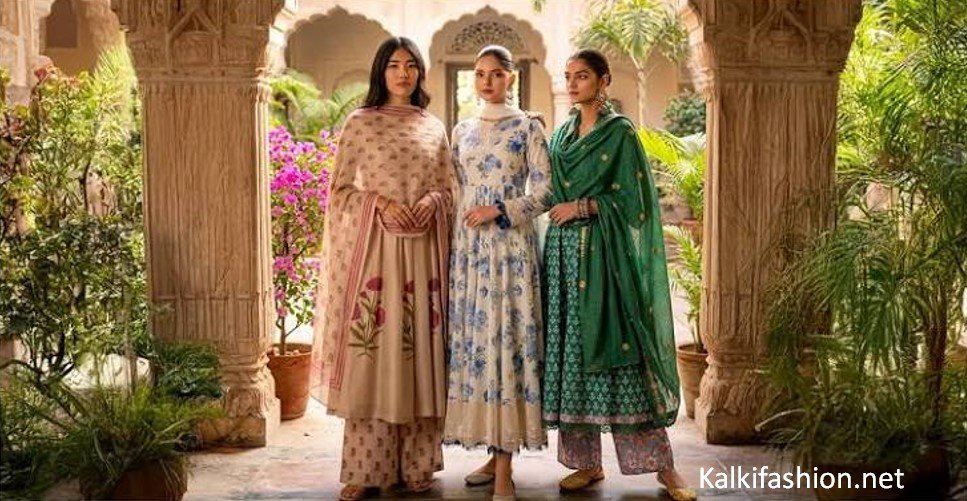
The beauty of Indian ethnic wear lies in its sheer variety. Here are the most popular silhouettes you will encounter while shopping.
The Classic Straight-Cut
The straight-cut kurta falls completely straight from the shoulders to the hem, with side slits (chaak) starting around the hips. This silhouette creates a long, lean line. You usually pair it with churidars, straight pants, or jeans. It is the ultimate choice for professional office environments.
The Majestic Anarkali
Named after the legendary Mughal dancer, the Anarkali features a fitted bodice that flares out from the waist into a full, voluminous skirt. It creates a highly feminine, dramatic look. Anarkalis are universally flattering and serve as the go-to choice for Indian weddings and grand celebrations.
The Trendy A-Line
An A-line kurta is narrow at the top and gradually widens towards the hem, creating the shape of the capital letter “A.” It rarely features side slits. This cut is playful, comfortable, and perfect for casual wear. It looks fantastic paired with ankle-length leggings or worn alone as a dress.
The Sharara and Gharara Sets
A Sharara set includes a short or mid-length kurta paired with wide-legged, flared trousers that look like a skirt. A Gharara is similar but is ruched or gathered at the knee before flaring out. Both styles bring a vintage, royal aesthetic and are massive hits for Sangeet and Mehndi ceremonies.
The Contemporary Palazzo Set
Palazzos are wide-leg trousers that offer maximum comfort. When paired with a long or short kurta, they create a modern, breezy silhouette. This combination provides the comfort of pajamas while looking stylish enough for a high-end brunch or a day at the mall.
Occasion-Based Styling Guide
Knowing how to style your outfit for specific events ensures you never look over-dressed or under-dressed.
Styling for the Office
For professional settings, prioritize comfort and subtlety. Opt for straight-cut cotton kurta sets in solid colors, pastel shades, or small geometric prints. Avoid heavy embroidery or loud Zari work. Pair the kurta with ankle-length straight pants. Finish the look with a classic watch, small stud earrings, and closed-toe flats.
Styling for Festive Events
Festivals like Diwali, Eid, or Navratri call for vibrant colors and rich textures. Choose jewel tones like emerald green, ruby red, or sapphire blue. Look for outfits featuring Chikankari work, mirror work, or foil prints. A matching dupatta adds grace to the ensemble. Elevate the outfit with statement Jhumkas, stacked bangles, and embellished Mojaris.
Styling for Casual Outings
When meeting friends for lunch or shopping, keep it relaxed. A short kurta with wide-leg palazzos or jeans works perfectly. Choose breathable fabrics like rayon or linen. Skip the heavy dupatta; if you need an accessory, drape a lightweight cotton scarf around your neck. Keep makeup minimal and wear comfortable sandals.
Styling for Weddings
Indian weddings demand grandeur. Opt for heavy silk Anarkalis, velvet suit sets, or intricately embroidered Shararas. Pay attention to the dupatta—often, a heavily worked net or Banarasi dupatta transforms a simple suit into a bridal masterpiece. Accessorize with a heavy choker necklace, a Maang Tikka, and high heels.
How to Choose the Perfect Fit for Your Body Type
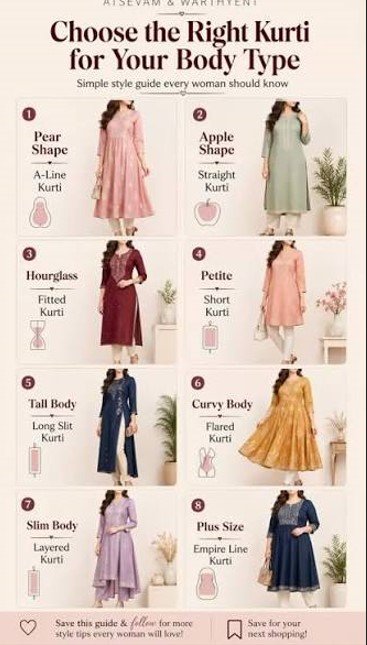
Understanding your body shape helps you select silhouettes that highlight your best features.
- Pear-Shaped Body: If your hips are wider than your shoulders, focus on drawing attention upward. A-line cuts and Anarkalis are your best friends, as they glide smoothly over the lower body. Opt for kurtas with heavy embroidery or bold patterns on the neckline and shoulders.
- Apple-Shaped Body: If you carry weight around your midsection, choose straight-cut or slightly loose A-line silhouettes. Avoid anything that clings tightly to the stomach. Dark, solid colors and vertical stripes create a slimming illusion.
- Hourglass Body: If your bust and hips are balanced with a defined waist, you can pull off almost any style. Fitted straight-cut kurtas with a defined waistline look exceptional. Belted kurta sets also highlight your natural curves beautifully.
- Rectangle Body: If your shoulders, waist, and hips have similar measurements, your goal is to create the illusion of curves. Anarkalis and peplum-style short kurtas work perfectly. You can also experiment with layered kurtas, jackets, and heavily pleated Patiala salwars.
Top Trends in Kurta Sets for 2026
Fashion constantly evolves. Here is what is currently dominating the ethnic wear market:
- Co-ord Sets: Matching the print of the kurta exactly with the pants is a massive trend. These monochromatic looks are chic, modern, and elongate the body.
- Cape Dupattas: Managing a traditional dupatta can be annoying. Designers are now attaching lightweight capes to the shoulders of the kurta, offering the elegance of a dupatta hands-free.
- Asymmetrical Hemlines: High-low hems, where the front of the kurta is shorter than the back, add a modern, edgy twist to traditional wear.
- Organza Detailing: Sheer organza fabric is being used on sleeves, hemlines, and dupattas to add a delicate, romantic touch to standard outfits.
- Sustainable Dyes: With growing eco-awareness, organic cotton sets dyed with natural vegetable colors like indigo and madder root are highly sought after.
Everyday vs. Festive Sets: A Comparison
If you are building your wardrobe, it helps to understand the distinct differences between daily wear and occasion wear.
| Feature | Everyday Kurta Sets | Festive Kurta Sets |
| Fabric | Cotton, Rayon, Linen | Silk, Velvet, Chanderi, Georgette |
| Embellishments | Minimal, thread work, block prints | Zari, sequins, mirror work, heavy embroidery |
| Colors | Pastels, earthy tones, subtle hues | Jewel tones, metallic shades, vibrant brights |
| Silhouette | Straight-cut, A-line, relaxed fit | Anarkali, Sharara, layered cuts |
| Maintenance | Machine washable, easy ironing | Dry clean only, careful storage required |
| Comfort Level | High; designed for 10+ hours of wear | Moderate; focused more on aesthetics |
Pros and Cons of Readymade Kurta Sets
Shopping for ethnic wear usually involves choosing between buying readymade garments or purchasing unstitched fabric to give to a tailor.
Pros of Readymade
- Instant Gratification: You can buy an outfit today and wear it tonight. There is no waiting for weeks for a tailor to finish the job.
- Visualizing the Final Look: What you see on the rack is exactly what you get. You can try it on immediately to see if the color and cut suit you.
- Cost-Effective: Mass-produced readymade sets are often cheaper than buying premium fabric and paying high boutique tailoring charges.
- Trend Accessibility: Retail brands adopt the latest fashion week trends quickly, allowing you to wear modern styles instantly.
Cons of Readymade
- Standardized Sizing: Finding the perfect fit can be difficult if you are between sizes or have unique body proportions.
- Limited Customization: You cannot easily change the neckline, sleeve length, or pant style of a pre-made outfit.
- Common Designs: Because brands produce in bulk, there is a chance you might run into someone wearing the exact same outfit at a party.
Care and Maintenance Tips
To ensure your ethnic wear lasts for years and retains its vibrant colors, follow these essential care guidelines.
Washing:
Always check the care label first. Cotton and rayon can usually be hand-washed or machine-washed on a gentle cycle using cold water. Wash dark colors separately, especially during the first few washes, as Indian dyes tend to bleed. Never machine-wash silk, velvet, or heavily embroidered sets; always send these to a professional dry cleaner.
Drying:
Do not wring out delicate fabrics. Instead, gently squeeze the excess water. Dry your colored clothes in the shade. Direct, harsh sunlight will fade the vibrant dyes and weaken the fabric fibers very quickly.
Ironing:
Always iron your garments inside out. This prevents the heat from ruining foil prints or melting synthetic threads. Use a low-heat setting for silk and georgette. For heavily embellished outfits, place a cotton cloth over the embroidery before running the iron over it to prevent the stones and sequins from snagging.
Storage:
Store heavy festive wear in breathable muslin bags. Avoid plastic covers, as they trap moisture and can cause fungal growth. Place dried neem leaves or silica gel packets in your wardrobe to keep silver Zari work from tarnishing and to protect the fabric from moths.
Frequently Asked Questions
1. What is the difference between a Kurti and a Kurta?
A kurti is generally shorter, ending above or just at the hips, and is often paired with jeans or skirts. A kurta is longer, usually falling to the knees or calves, and is worn with churidars, palazzos, or straight pants.
2. Which fabric is best for summer wear in India?
Pure cotton is the absolute best choice for Indian summers. It is breathable, absorbs moisture, and prevents skin irritation. Linen and lightweight rayon are also excellent alternatives for hot weather.
3. Can I wear a kurta set to a formal corporate office?
Yes, absolutely. Stick to straight-cut silhouettes, subtle prints, and solid colors. Avoid heavy embroidery, deep necklines, and sheer fabrics. Pair the kurta with straight trousers and minimal jewelry for a sharp, professional look.
4. How do I choose the right length for my height?
If you are petite (under 5’3″), opt for knee-length kurtas paired with straight pants to create an illusion of height. Very long kurtas can overwhelm a small frame. If you are tall, you can easily carry off calf-length or ankle-length kurtas and voluminous Anarkalis.
5. Are Anarkali suits still in style?
Yes, Anarkalis are a timeless classic. While the exact trends (like the volume of the flare or the style of the dupatta) may shift slightly from year to year, the core silhouette remains a staple for Indian weddings and grand festivals.
6. How do I stop my cotton clothes from shrinking?
To minimize shrinking, always wash cotton in cold water. Avoid using a hot dryer; instead, let the garment air dry naturally. Many premium brands pre-wash their fabrics, but some slight shrinkage (1-2 inches) is standard for pure cotton.
7. What type of bottom wear looks best with an A-line kurta?
A-line kurtas pair beautifully with churidars or ankle-length leggings, as the fitted bottom balances the flared top. You can also pair them with straight cigarette pants for a more modern, structured look. Avoid highly flared palazzos, as the combination can look too bulky.
8. Can I mix and match my sets?
Definitely! Mixing and matching is a great way to maximize your wardrobe. You can wear the embroidered dupatta from a festive set with a plain white suit. Similarly, you can pair a solid black kurta with printed palazzos from an entirely different set.
9. How do I style a plain kurta set for a heavy festive look?
The secret lies in the accessories. Add a heavily embellished Banarasi or Phulkari dupatta. Wear statement jewelry like a heavy choker or oversized Kundan earrings. Finish the look with an embroidered clutch (potli bag) and traditional footwear.
10. What is Chikankari work?
Chikankari is a traditional, delicate hand-embroidery style originating from Lucknow, India. It traditionally involves white thread embroidered onto light, pastel-colored fabrics like cotton, georgette, or chiffon. It is highly prized for its elegance and summery appeal.
Conclusion
Building an elegant ethnic wardrobe does not require buying hundreds of outfits; it simply requires making smart choices. Kurta sets for women offer a beautiful blend of tradition, comfort, and modern style that caters to every age, body type, and occasion.
By understanding your body shape, choosing the right fabrics for the climate, and knowing how to style for different events, you can look impeccable every single day. Whether you invest in a crisp cotton suit for the office or a luxurious silk Anarkali for a wedding, the right outfit will boost your confidence and celebrate your personal style. Keep these tips in mind during your next shopping trip, and you will effortlessly find pieces that you will cherish and wear for years to come.