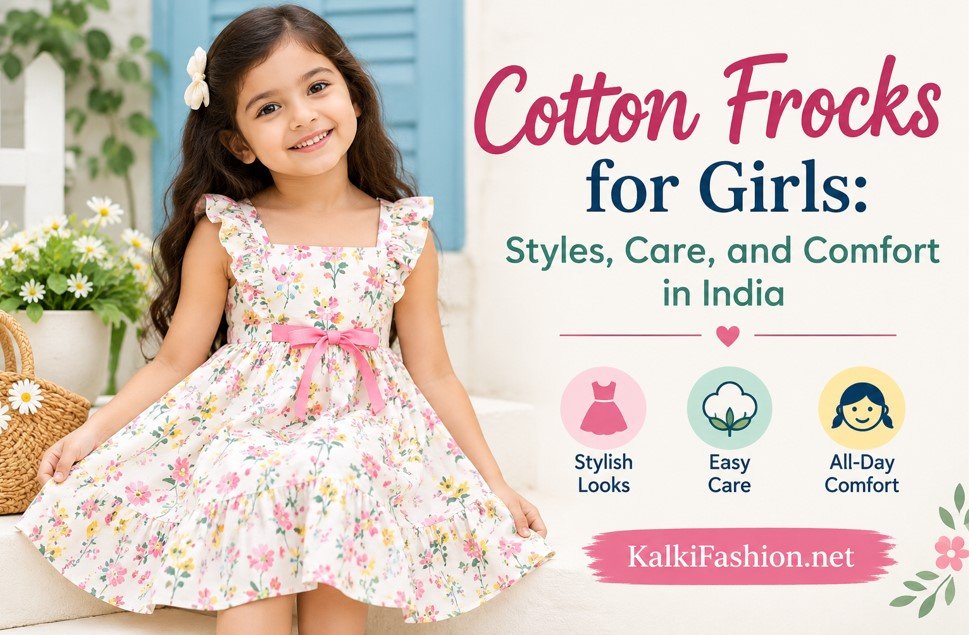
Cotton Frocks for Girls: Styles, Care, and Comfort in India
When the harsh Indian summer arrives, parents face a familiar challenge: finding clothing that keeps their daughters comfortable without compromising on style. The undisputed champion of kids’ summer wardrobes is the classic cotton dress. Cotton frocks for girls offer the perfect blend of breathability, durability, and vibrant fashion.
Whether you are dressing your toddler for a casual playdate, a festive family gathering, or a long day at school, pure cotton provides unmatched skin protection in humid climates. In this comprehensive guide, we will explore everything you need to know about selecting, styling, and maintaining the perfect cotton dresses for your little one.
Why Cotton is the Ultimate Fabric for Girls in India
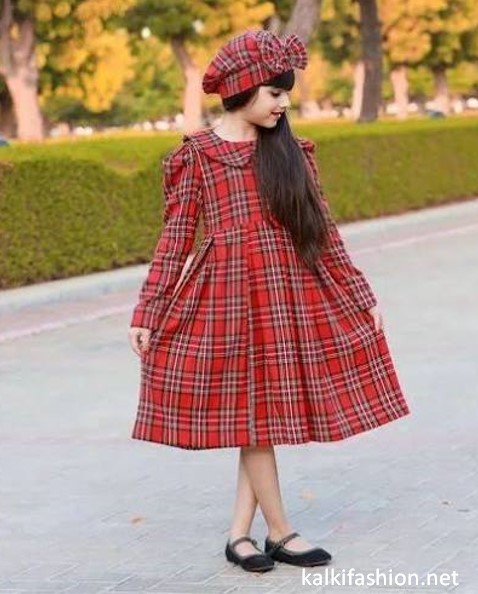
India’s tropical climate demands clothing that breathes. Synthetic fabrics trap heat, leading to discomfort, irritability, and skin issues. Here is exactly why pure cotton remains the superior choice for children.
Exceptional Breathability and Moisture Wicking
Cotton fibers are naturally hollow, allowing air to circulate freely through the weave. This natural ventilation system prevents heat from getting trapped against the body. Furthermore, pure cotton absorbs moisture incredibly well. When children play and sweat, the fabric pulls moisture away from the skin and releases it into the air, keeping them cool and dry during scorching summer afternoons.
Hypoallergenic Properties for Sensitive Skin
Children possess delicate skin that is highly susceptible to irritation. Synthetic materials like polyester can cause prickly heat, rashes, and eczema flare-ups. Hypoallergenic fabrics like cotton do not contain harsh chemicals or microplastics. Natural cotton is inherently gentle, making it the safest option for girls with sensitive skin or dermatological conditions.
Durability and Easy Maintenance
Kids are naturally active. They run, climb, spill food, and play in the dirt. Parents need clothing that can withstand rigorous use. High-quality cotton features high tensile strength, meaning it resists tearing even after multiple washes. Unlike delicate silks or synthetic blends that pill over time, woven cotton maintains its structural integrity. It can also withstand hot water washes, ensuring deep cleaning and hygiene.
Top Styles and Silhouettes of Cotton Frocks
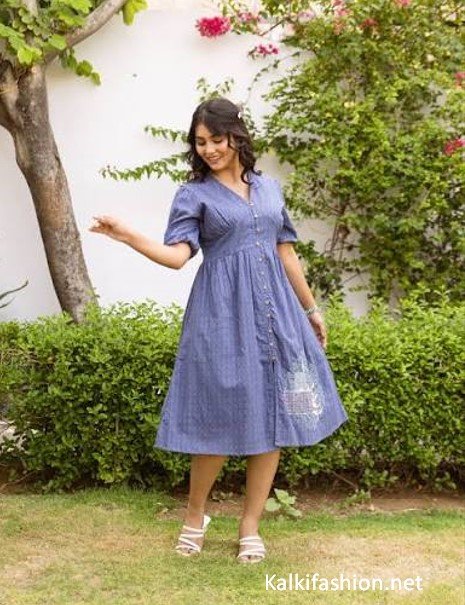
The modern market offers an incredible variety of cuts and designs. Choosing the right silhouette ensures maximum comfort and mobility.
The Classic A-Line Dress
The A-line silhouette is narrow at the shoulders and gently flares out toward the hem, resembling the letter “A”. This style is universally flattering and incredibly practical. It allows complete freedom of movement, making it ideal for active toddlers. You will often find A-line frocks featuring cute pockets and playful animal appliqués.
Smocked Frocks
Smocking is an embroidery technique that gathers fabric to create stretch. Smocked dresses stretch across the chest while remaining flowy at the bottom. This vintage-inspired look is making a massive comeback. Not only does it look highly sophisticated for formal events, but the stretchy bodice also accommodates rapid growth spurts, giving the dress a longer wearable lifespan.
Tiered and Maxi Frocks
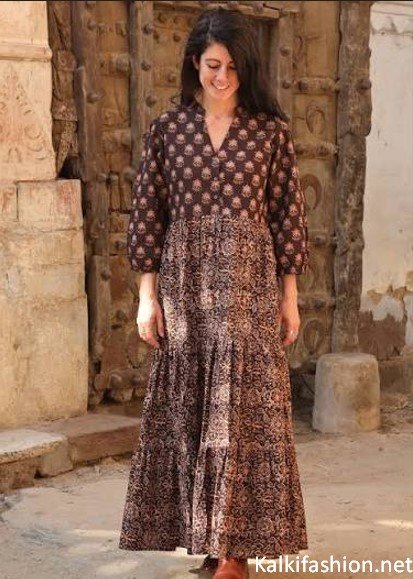
For pre-teens and older girls, tiered maxi dresses offer a mature yet age-appropriate look. These dresses feature multiple horizontal layers (tiers) that add volume and twirl-factor without adding weight. Made from lightweight cambric cotton, these long dresses provide excellent sun protection for the legs while remaining utterly breathable.
Pinafore Dresses
A cotton pinafore is a sleeveless, apron-like dress designed to be worn over a blouse or t-shirt. This versatile layering piece works beautifully across different seasons. During peak summer, it can be worn with a light half-sleeve tee; during mild Indian winters, it pairs perfectly with a full-sleeve thermal and leggings.
Traditional Indian Prints for Kids’ Dresses
India boasts a rich heritage of textile artistry. Incorporating these traditional prints into kids’ western-style frocks creates a beautiful Indo-Western fusion.
Kalamkari Prints
Originating from Andhra Pradesh and Telangana, Kalamkari involves hand-painting or block-printing natural dyes onto cotton fabric. Frocks featuring these earthy tones and intricate floral or mythological motifs look incredibly elegant. The natural dyes used in authentic Kalamkari are exceptionally safe for a child’s skin.
Jaipur Block Prints (Sanganeri & Bagru)
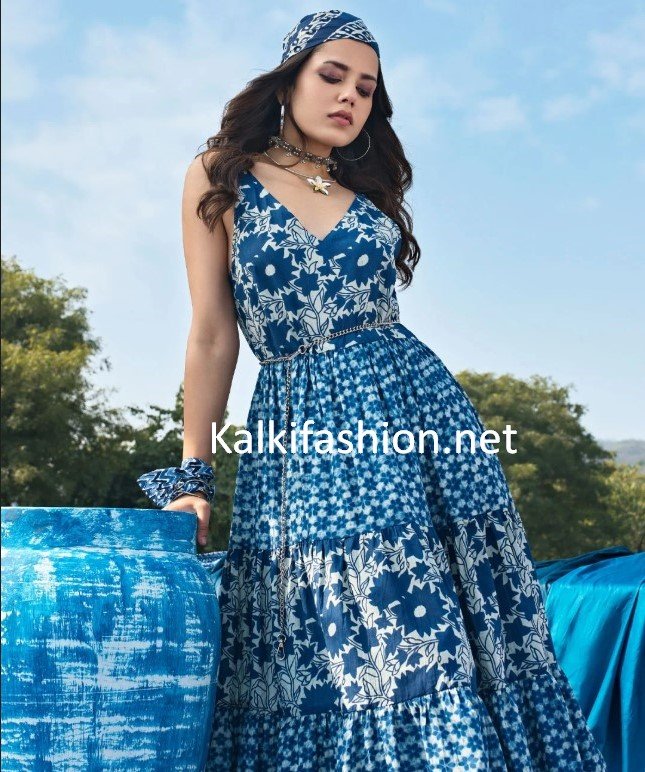
Rajasthan is famous for its vibrant block prints. Sanganeri prints feature bright floral patterns on white backgrounds, perfect for sunny days. Bagru prints, traditionally done on indigo or red backgrounds, hide stains remarkably well while offering a rich, cultural aesthetic. A simple sleeveless frock in an Indigo block print is a summer staple in India.
Ikat Weaves
Ikat is a specialized dyeing technique where the yarns are resist-dyed before weaving, creating a distinct “blurred” geometric pattern. Originating from regions like Pochampally and Odisha, cotton Ikat frocks are thick enough to hold a crisp shape but soft enough for all-day wear. They are excellent choices for smart-casual events.
How to Choose the Right Frock by Age Group
A dress that works for an infant will not necessarily work for a ten-year-old. Age dictates both the functionality and the style required.
Infants and Toddlers (0-3 Years)
For babies, prioritize safety and ease of dressing. Avoid frocks with small buttons, sequins, or strings that could pose a choking hazard. Look for dresses with envelope necklines or snap buttons at the back. The fabric should be ultra-soft—preferably mulmul (muslin) cotton—which gets softer with every wash. Bloomers matching the dress are a highly practical addition for diaper-wearing toddlers.
Preschoolers (4-6 Years)
At this age, independence emerges. Girls want to dress themselves and need clothes that allow them to use the restroom easily. Front-buttoned dresses or simple pull-over A-line frocks are perfect. Additionally, this age group loves interactive clothing. Look for frocks with deep pockets so they can store their little treasures, or dresses with bright, recognizable characters and patterns.
Pre-teens (7-12 Years)
Older girls begin developing their own fashion sense. They usually prefer trendier, less “childish” silhouettes. Shift dresses, cold-shoulder styles, and belted shirt-dresses made from crisp poplin cotton are highly popular. Solid colors, pastel stripes, and sophisticated floral patterns usually win over loud cartoon prints.
Sizing Guide: Getting the Perfect Fit Online
Buying clothes online in India can be tricky due to varying brand charts. Here is how to measure accurately to minimize returns.
- Chest Measurement: Wrap a soft measuring tape around the fullest part of her chest, keeping the tape horizontal. Add one inch of breathing room; cotton does not stretch.
- Waist Measurement: Measure around the natural waistline (just above the belly button).
- Length: Measure from the highest point of the shoulder down to the knee or desired hemline.
Pro Tip: Pure cotton has a tendency to shrink slightly after the first wash. If your child is between sizes, always size up. A slightly loose summer frock is much more comfortable than a restrictive one.
Comparison Table: Pure Cotton vs. Cotton Blends
When shopping, you will encounter various fabric compositions. Here is a clear breakdown of how pure cotton stacks up against common blends.
| Feature | 100% Pure Cotton | Poly-Cotton Blend (65% Cotton/35% Poly) | Linen-Cotton Blend |
| Breathability | Very High | Moderate | Extremely High |
| Durability | High | Very High (Resists tearing) | Moderate |
| Wrinkle Resistance | Low (Wrinkles easily) | High (Requires little ironing) | Very Low |
| Shrinkage | Prone to 2-3% shrinkage | Minimal to none | High shrinkage risk |
| Drying Time | Moderate | Fast | Moderate |
| Best For | Everyday summer wear, sleepwear | School uniforms, travel | Special occasions, humid days |
Pros and Cons of Pure Cotton Frocks
To make an informed purchase, it is vital to understand the limitations alongside the benefits.
Pros:
- Zero Skin Irritation: Free from scratchy synthetic fibers.
- Temperature Regulation: Keeps the body cool in summer and provides light insulation in winter.
- Biodegradable: An eco-friendly choice that breaks down naturally in landfills.
- Versatility: Takes well to natural dyes, resulting in vibrant, long-lasting colors.
Cons:
- Wrinkling: Pure cotton creases quickly and usually requires ironing to look crisp.
- Color Bleeding: Certain traditional Indian dyes (like Indigo) may bleed during the first few washes.
- Shrinkage: Untreated cotton can shrink in hot water or high-heat dryers.
Expert Styling Tips for Different Occasions
A simple cotton frock can be elevated or dressed down depending on the accessories and footwear.
Casual Playdates and Everyday Wear
For daily wear, functionality is key. Pair a knee-length A-line printed frock with comfortable canvas sneakers or crocs. Skip heavy accessories; a simple cotton headband to keep hair out of her face is sufficient. This look allows her to run, slide, and play without any wardrobe malfunctions.
Festive Occasions (Diwali, Raksha Bandhan)
Cotton does not have to be boring during festivals. Choose a frock featuring rich Indian handlooms like Chanderi cotton or adorned with subtle Gota Patti (silver/gold ribbon) work. Pair the dress with colorful Punjabi Juttis or embellished sandals. A matching bindi and a set of thread bangles instantly transform a simple dress into a festive outfit.
Birthday Parties and Weddings
For formal events, opt for structure. A pleated cotton dress with a Peter Pan collar or a smocked bodice provides a sophisticated silhouette. Add a pair of patent leather Mary Jane shoes and delicate lace socks. A floral hair clip or a velvet bow adds the perfect finishing touch to this classic, elegant look.
Care and Maintenance Guide for Cotton Dresses
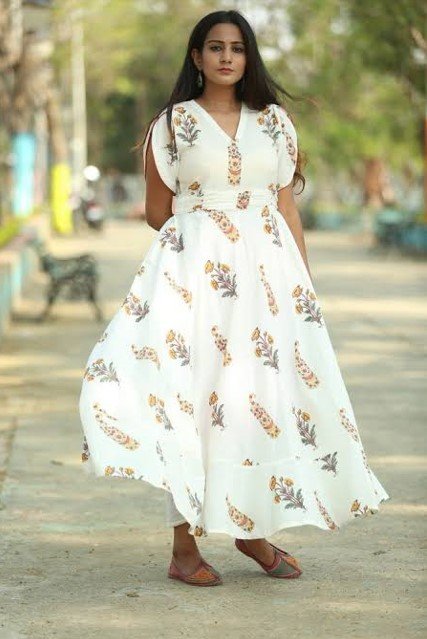
To ensure these beautiful garments last through the season and can be passed down to younger siblings, follow this strict care regimen.
- Pre-Wash Checks: Always read the care label. Sort darks from lights. For traditional Indian block prints, do a quick color-bleed test by dipping a hidden corner in water.
- Cold Water Washing: Wash 100% cotton in cold water (below 30°C) to prevent shrinkage and color fading. Use a mild, child-safe liquid detergent.
- Drying Techniques: Avoid the tumble dryer. The fierce heat damages the cotton fibers and causes severe shrinkage. Instead, line dry in the shade. Direct Indian sunlight will bleach vibrant colors incredibly fast.
- Ironing: Cotton looks best when pressed. Iron the frocks while they are still slightly damp using the “Cotton” setting on your iron. For dresses with embroidery or block prints, iron them inside out to protect the artwork.
- Storage: Store frocks in a cool, dry wardrobe. Use neem leaves or cedar blocks to repel moths naturally rather than chemical mothballs, which leave a strong odor.
The Environmental Impact: Why Organic Cotton Matters
As parents become more environmentally conscious, organic cotton is dominating the premium kids’ wear market. Standard cotton farming uses massive amounts of pesticides and water. Organic cotton, however, is grown using sustainable methods, relying on natural rainfall and crop rotation.
For your child, organic cotton means absolute zero exposure to toxic agrochemicals or synthetic fertilizers. The fabric feels noticeably softer and is generally more robust because the fibers have not been weakened by chemical processing. While organic cotton frocks carry a slightly higher price tag, the investment pays off in superior skin health and environmental preservation. Look for the GOTS (Global Organic Textile Standard) certification on the label to ensure authenticity.
Frequently Asked Questions (FAQs)
- At what age can my baby start wearing cotton frocks?
Newborns can wear pure cotton frocks immediately. However, for infants under 6 months, ensure the frock is made of ultra-soft muslin (mulmul) cotton. Avoid stiff cotton poplin, which might irritate a newborn’s delicate skin. Ensure the dress has wide neck openings or snap buttons.
- How do I stop traditional block-printed frocks from bleeding color?
Before the first wash, soak the new dress in a bucket of cold water mixed with a handful of rock salt or a cup of white vinegar for about 30 minutes. This helps lock the dye into the fabric. Always wash these garments separately for the first three washes.
- Are sleeveless cotton frocks safe for outdoor play in India?
Yes, but sun protection is crucial. If your child is wearing a sleeveless frock for outdoor play between 10 AM and 4 PM, generously apply pediatric sunscreen to her exposed arms and shoulders. Alternatively, layer a lightweight, full-sleeved white cotton shirt underneath.
- Can my child wear cotton frocks in the winter?
Absolutely. Cotton is highly versatile. During the mild Indian winters, a knee-length cotton frock can be paired with thick woolen leggings, a long-sleeved thermal top underneath, and a denim jacket or cardigan on top. This layered approach is both stylish and warm.
- How much shrinkage should I expect from a pure cotton dress?
Un-preshrunk, 100% cotton can shrink by about 2% to 5% after the first wash. If you are buying a fitted style, it is always a smart strategy to buy one size larger to accommodate this natural shrinkage.
- What is the difference between Cambric, Poplin, and Mulmul cotton?
- Mulmul (Muslin): Incredibly sheer, soft, and breathable. Best for babies and extreme heat.
- Cambric: A densely woven, lightweight cotton that holds its shape well. Excellent for everyday frocks.
- Poplin: A strong, crisp fabric with a slightly ribbed texture. Best for formal, structured dresses like shirt-dresses.
- How do I remove tough food stains from a cotton dress?
Treat stains immediately. Run cold water through the back of the stain to push it out. Apply a paste of baking soda and water, let it sit for 20 minutes, and scrub gently with a soft brush before washing normally. Avoid chlorine bleach, as it weakens cotton fibers.
- Are designer synthetic dresses better for parties than cotton?
While synthetic fabrics like polyester, tulle, or nylon might offer “princess-like” volume, they trap heat and cause intense sweating. A premium silk-cotton blend or a beautifully hand-smocked pure cotton dress offers elegance without sacrificing the child’s comfort.
- How many cotton frocks does a toddler need for the summer?
For an active toddler, aim for a rotation of 7 to 10 cotton frocks. Toddlers often require two outfit changes a day due to spills, messy play, or potty training accidents. Having an adequate rotation ensures you aren’t doing laundry daily.
- Do cotton frocks need to be dry-cleaned?
Generally, no. Most everyday cotton frocks are machine washable. However, if the dress features delicate hand-embroidery, mirror work, or heavy Gota Patti detailing, it is safer to hand wash it gently or give it to a professional dry cleaner to maintain the embellishments.
Conclusion
Investing in high-quality cotton frocks for girls is one of the smartest decisions a parent can make, particularly in the Indian climate. Beyond their undeniable aesthetic appeal, these garments prioritize a child’s health, offering breathable, hypoallergenic comfort that allows them to play and grow without restriction.
From the vibrant, earthy tones of Kalamkari prints to the crisp, modern lines of an A-line silhouette, there is a cotton dress suited for every occasion and personality. By paying close attention to sizing, opting for pure or organic cotton over synthetics, and following proper care instructions, you can build a summer wardrobe for your daughter that is as sustainable and durable as it is beautiful. Choose wisely, and let your little one enjoy her childhood in absolute comfort.