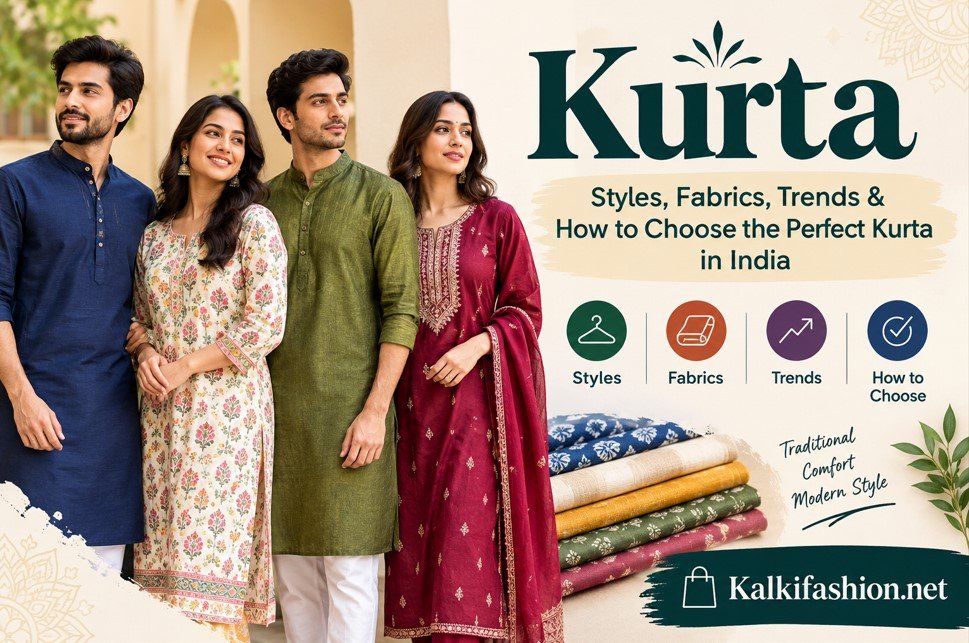
Kurta : Styles, Fabrics, Trends & How to Choose the Perfect Kurta in India
The kurta is much more than just a piece of clothing in India; it is a cultural emotion. From the bustling streets of Mumbai to the serene tea gardens of Assam, this versatile garment remains a staple in almost every Indian wardrobe. Whether you are dressing up for a grand Diwali celebration, heading to a corporate office, or simply lounging at home on a warm summer afternoon, there is a perfect kurta for every occasion.
Over the centuries, this simple tunic has evolved dramatically. Today, it bridges the gap between deep-rooted tradition and modern, global fashion. It offers unmatched comfort without compromising on elegance. But with so many cuts, fabrics, and regional embroideries available, how do you choose the right one?
In this comprehensive guide, we will explore the fascinating world of the Indian kurta. We will dive into popular styles for both men and women, decode the best fabrics for India’s diverse climate, and share expert tips on how to style this iconic garment perfectly.
The Evolution of the Kurta in Indian Fashion
The history of the kurta dates back centuries. The word itself comes from Persian and Urdu, translating loosely to a “collarless shirt.” Originally worn by nomadic tribes in Central Asia, the garment made its way into the Indian subcontinent during the ancient and medieval periods.
During the Mughal era, the garment saw a massive transformation. It moved from being practical everyday wear to a symbol of royal elegance. Mughal emperors and nobles wore intricately embroidered tunics made from fine muslin and luxurious silks.
Fast forward to the modern era, the garment played a crucial role in India’s independence movement. Leaders promoted khadi kurtas as a symbol of self-reliance and resistance against British mill-made clothing. Today, modern designers have reimagined this traditional piece. They mix Western silhouettes with Indian textiles, making it a globally recognized fashion statement.
Why Every Indian Wardrobe Needs a Kurta
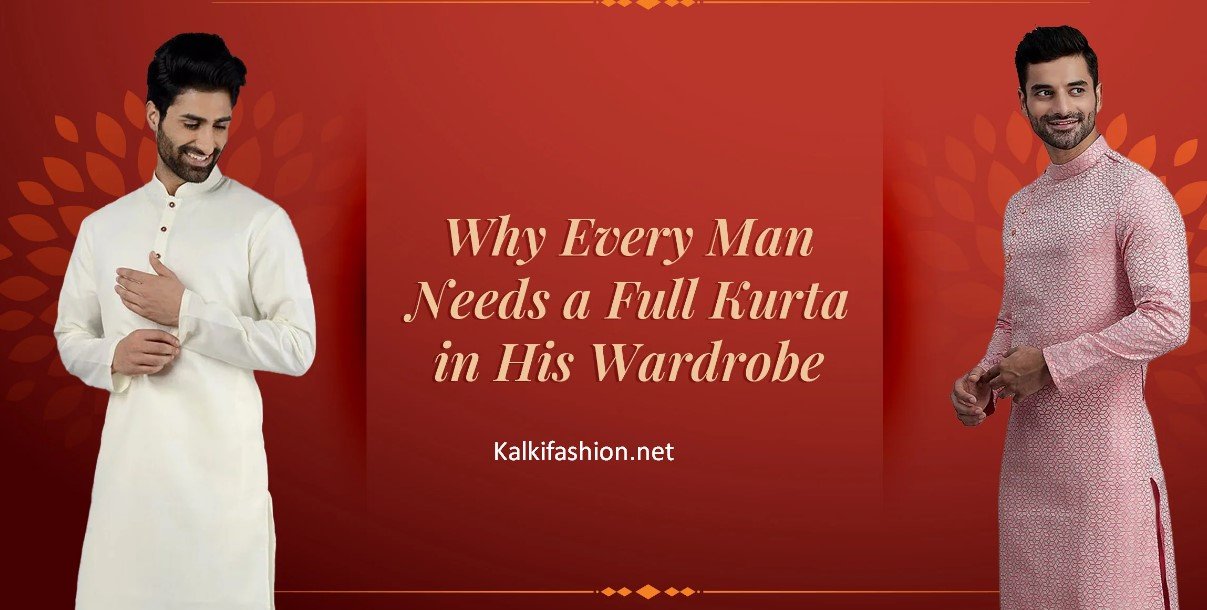
If you look inside any Indian closet, you will undoubtedly find a collection of these traditional tunics. But why is this garment so universally loved?
- Extreme Comfort: India’s climate is predominantly tropical. Loose-fitting garments provide the necessary airflow to keep the body cool during sweltering summers.
- Ultimate Versatility: You can wear the exact same tunic with jeans for a college look, or with a rich silk dupatta and heavy jewelry for a wedding.
- Age and Gender Inclusive: It flatters everyone. From toddlers to grandparents, men and women, the silhouette is universally flattering and respectful of cultural norms.
- Affordability: You can buy a simple cotton piece from a street market for ₹300, or invest in a designer couture piece worth ₹30,000. It fits every budget.
Popular Types of Kurtas for Women
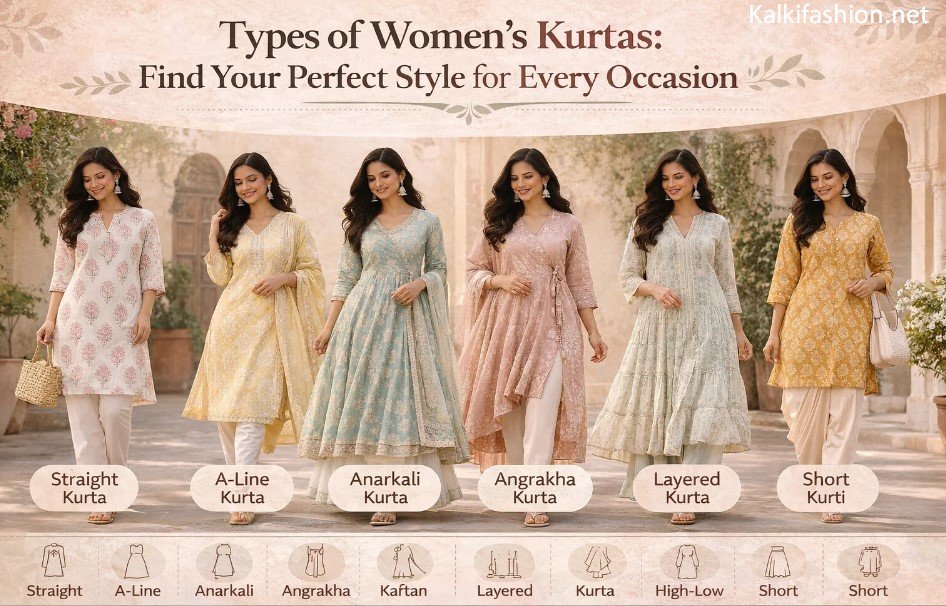
Women’s ethnic fashion is incredibly dynamic. The traditional tunic has been reinvented into dozens of distinct styles to suit different body types and fashion preferences. Here are the most popular styles you need to know.
1. Anarkali Kurtas
Inspired by the royal courts of the Mughal empire, the Anarkali is known for its graceful, umbrella-like flare. It fits snugly around the bust and waist before flowing out generously. This style is perfect for weddings, festivals, and grand parties. It instantly gives the wearer a regal, elegant look.
2. A-Line Kurtas
As the name suggests, this style is shaped like the letter “A.” It is fitted at the shoulders and gently flares out toward the hem. A-line kurtas are excellent for casual wear and office wear. They are highly flattering for pear-shaped bodies as they gently skim over the hips without clinging.
3. Straight Cut Kurtas
This is the most common and classic silhouette. The hemline falls completely straight from the shoulders to the knees or calves. Straight kurtas offer a clean, professional, and slimming look. They are a top choice for formal office settings and everyday wear.
4. Angrakha Kurtas
The Angrakha features a traditional overlapping design that ties at the side, often finished with beautiful tassels. Originally worn by male musicians in royal courts, this style has become a massive hit in women’s fashion. It brings a touch of vintage charm to modern wardrobes.
5. High-Low and Asymmetric Kurtas
For those who love modern fashion, asymmetric hemlines add a quirky twist to traditional wear. The hem might be shorter in the front and longer in the back, or diagonal across the legs. These are usually paired with fitted leggings or skinny jeans.
6. Front-Slit Kurtas
These feature a long slit right down the middle, starting from the waist or navel. Front-slit styles are bold and contemporary. They look best when paired with flared jeans, palazzos, or skirts, allowing the bottom wear to peek through stylishly.
Essential Kurta Styles for Men
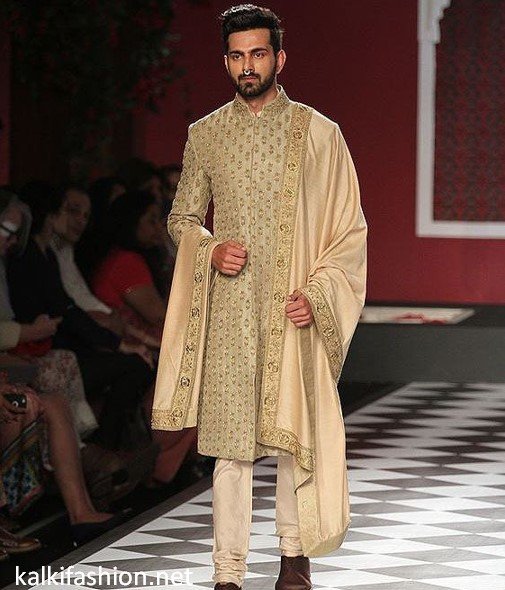
While men’s ethnic wear might seem simpler, there is actually a rich variety of styles tailored for different occasions.
1. The Classic Straight Kurta
This is the foundation of men’s ethnic wear. Falling just below the knees, the classic straight cut is usually paired with a churidar or straight pajama. It is the go-to outfit for pujas, family gatherings, and traditional ceremonies.
2. Pathani Kurtas
Originating from the North-Western frontier, the Pathani suit exudes rugged charm and masculinity. It features a collared neckline, rolled-up sleeves, and front pockets. Typically worn with matching loose salwars, it is a popular choice for Eid and casual summer evenings.
3. Short Kurtas (Men’s Kurtis)
Ending at the hips, the short kurta is the Indian alternative to a casual shirt. It is highly popular among college students and young professionals. You can easily pair a short cotton tunic with denim jeans or chinos for a relaxed, indo-western vibe.
4. Asymmetric and Drape Kurtas
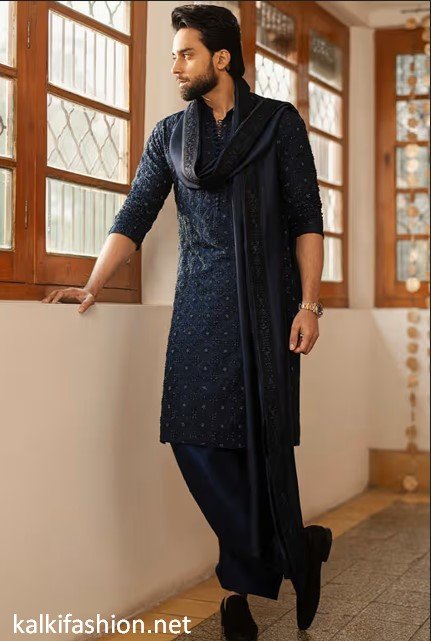
Modern Indian grooms and fashion-forward men are increasingly opting for draped styles. These feature cowls, asymmetric hems, and unique fabric draping techniques. They are often layered under a structured Nehru jacket or Bandi for a sophisticated wedding look.
The Magic of Regional Indian Craftsmanship
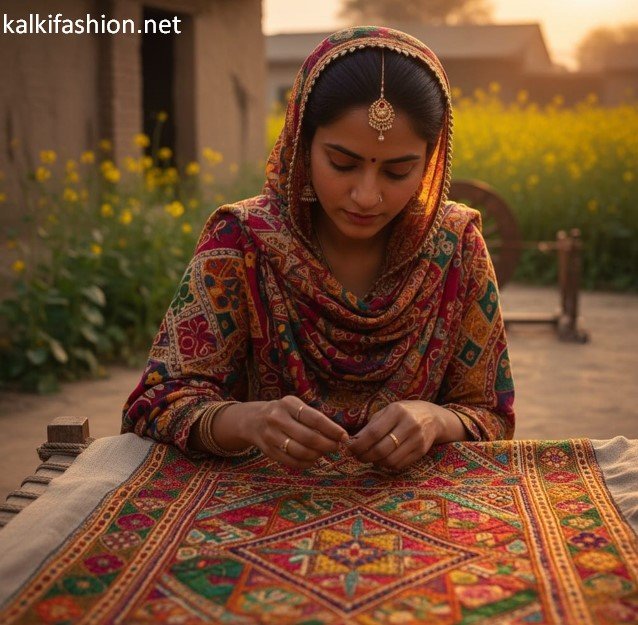
What truly sets Indian ethnic wear apart is the breathtaking surface ornamentation. Different states in India offer unique embroidery and printing techniques that elevate a simple piece of fabric into a work of art.
- Lucknowi Chikankari: Originating from Uttar Pradesh, this delicate, shadow-work white thread embroidery is usually done on pastel cottons and georgettes. A Chikankari kurta is a must-have for summer elegance.
- Rajasthani Block Print: Using carved wooden blocks, artisans stamp beautiful floral and geometric motifs onto fabric. Sanganeri, Bagru, and Ajrakh prints are incredibly popular for everyday wear.
- Punjabi Phulkari: Meaning “flower work,” this vibrant, bright embroidery from Punjab uses colorful silk threads. Phulkari work adds a massive pop of color to festive wear.
- Kashmiri Kashida: This rich embroidery uses motifs inspired by nature, like maple leaves, lotus flowers, and vines. It is typically done on winter fabrics like wool and heavy silk.
- Gujarati Bandhani: This ancient tie-and-dye technique creates intricate dotted patterns. Bandhani pieces in bright red, yellow, and green are essential for festivals like Navratri.
A Complete Guide to Kurta Fabrics
Choosing the right fabric is just as important as choosing the right style. In a country with diverse weather like India, fabric dictates both comfort and visual appeal.
Breathable Cotton and Khadi
For everyday wear in India’s hot and humid climate, pure cotton is the undisputed king. It is highly breathable, absorbs sweat quickly, and is gentle on the skin. Khadi, a handspun natural fiber, goes a step further by keeping you cool in summer and warm in winter.
Luxurious Silk and Chanderi
When it comes to weddings and grand festivals, you need a fabric with a natural sheen. Raw silk, Tussar silk, and Art silk provide a rich, structured look. Chanderi, a lightweight fabric from Madhya Pradesh, blends silk and cotton to offer a luxurious transparency and subtle shine.
Flowy Georgette and Chiffon
If you are wearing an Anarkali or a heavily flared style, you need fabrics that drape beautifully. Georgette and Chiffon are lightweight, sheer fabrics that flow gracefully with every step. They are commonly used for heavily embroidered party wear.
Comfortable Rayon and Viscose
For budget-friendly daily wear, rayon is incredibly popular. It mimics the feel of cotton but falls much better on the body, offering a smoother drape. It is less prone to wrinkling, making it ideal for busy workdays.
How to Style Your Kurta for Any Occasion
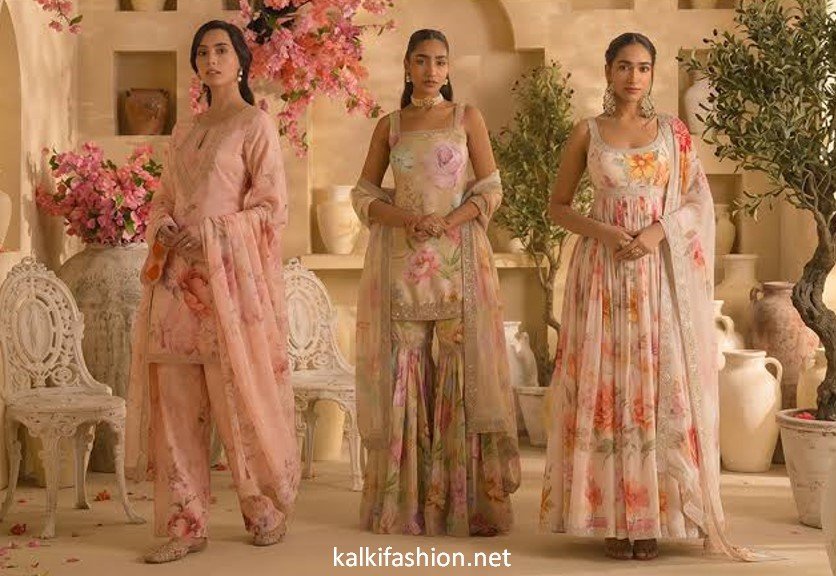
The beauty of this garment lies in its styling potential. Here is how you can transform your look based on the event.
Casual Everyday Wear
For running errands or grabbing coffee, keep it simple. Pick a breathable cotton printed kurta. Pair it with comfortable ankle-length leggings or straight cotton pants. Skip the heavy dupatta and accessorize with simple silver jhumkas and flat leather sandals (kolhapuris).
Office and Professional Looks
Workplace ethnic wear should be smart, clean, and understated. Opt for straight-cut kurtas in solid colors (navy, maroon, olive) or subtle stripes and geometric prints. Pair them with tailored cigarette pants. Wear closed-toe mules or block heels, and carry a structured tote bag to complete the professional look.
Festive and Wedding Attire
For Diwali parties or wedding functions, go all out. Choose luxurious fabrics like silk or velvet with heavy Zari, sequin, or mirror work. Women can pair an Anarkali with a heavily embellished dupatta and oversized chandbalis. Men can layer a silk tunic with an embroidered Nehru jacket and polished mojaris.
Pairing Your Kurta: Best Bottom Wear Options
Gone are the days when you only had one or two choices for bottom wear. Today, what you wear below your tunic completely defines your overall silhouette.
- Churidar: The traditional choice. It tightly hugs the legs and forms gathers (churis) at the ankles. It gives a very formal and slimming look.
- Palazzos: Wide-legged palazzo pants offer maximum comfort and a breezy, modern aesthetic. They pair brilliantly with both straight and A-line styles.
- Cigarette Pants: Tailored, straight pants that end exactly at the ankle. They provide a crisp, modern, and formal look perfect for the office.
- Sharara/Gharara: Flared, pleated pants that look like a skirt from the knees down. They are currently the hottest trend for wedding guest outfits.
- Denim Jeans: The ultimate Indo-Western fusion. Pairing a short or knee-length tunic with skinny or boyfriend jeans is a timeless, comfortable look for college goers.
- Dhoti Pants: Pre-stitched pants that mimic the traditional drape of a dhoti. They add a quirky, festive touch to both men’s and women’s outfits.
Comparison Table: Everyday Cotton vs. Festive Silk Kurtas
To help you build a balanced wardrobe, here is a quick comparison of the two most essential types of tunics.
| Feature | Everyday Cotton Kurta | Festive Silk Kurta |
| Primary Use | Office, casual outings, daily wear | Weddings, festivals, evening parties |
| Breathability | Extremely high; perfect for hot weather | Low to medium; better for AC rooms/winter |
| Durability | High; withstands frequent machine washing | Delicate; prone to tearing if pulled |
| Maintenance | Easy; machine wash and regular ironing | High; requires strict dry cleaning |
| Cost | Very affordable (₹300 – ₹1,500) | Expensive investment (₹2,000 – ₹20,000+) |
| Look & Feel | Matte, simple, highly comfortable | Lustrous, structured, heavy, elegant |
Pros and Cons of Wearing a Kurta
While it is a fantastic garment, it helps to understand its practical pros and cons.
Pros
- Health and Hygiene: Loose-fitting designs prevent skin irritation and fungal infections in humid weather compared to tight Western clothing.
- Modesty: It offers excellent coverage, making it culturally appropriate for religious events and family gatherings in India.
- Customizability: It is incredibly easy to buy unstitched fabric and get it tailored exactly to your body measurements.
- Sustainable Options: Many are made from natural, biodegradable fibers like cotton, linen, and silk.
Cons
- Ironing Required: Natural fabrics like cotton, khadi, and linen wrinkle extremely fast and require rigorous ironing before every wear.
- Shrinkage: Pure cotton pieces often shrink by 1-2 inches after the first wash, making sizing tricky.
- Color Bleeding: Traditional hand-block prints (like Indigo or Ajrakh) naturally bleed excess color during the first few washes and can stain other clothes.
How to Find the Perfect Fit for Your Body Type
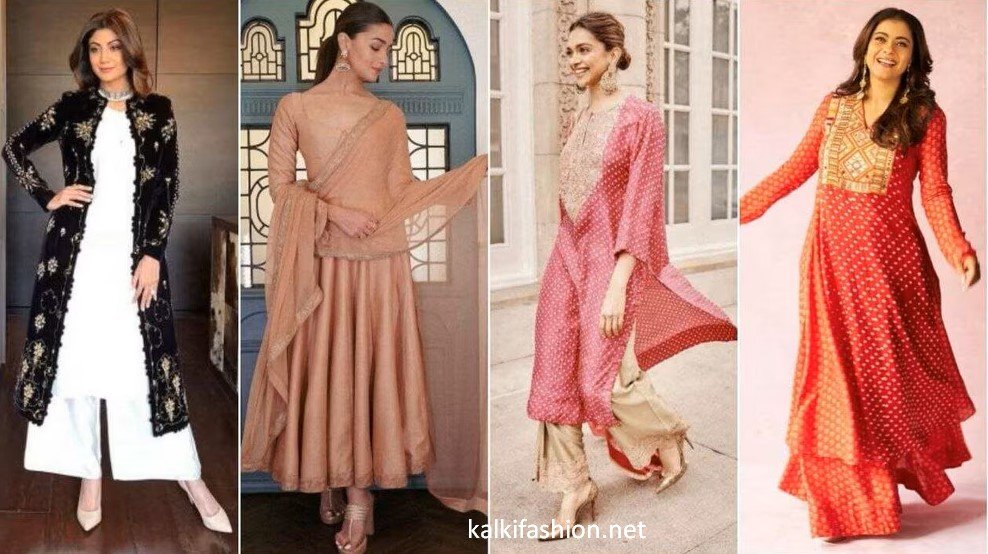
The key to looking stunning in ethnic wear is choosing a silhouette that flatters your natural body shape.
- For Pear-Shaped Bodies: If you carry more weight on your hips and thighs, opt for A-line or Anarkali styles. These beautifully accentuate the waist and skim over the lower body without clinging. Avoid very tight, straight cuts.
- For Apple-Shaped Bodies: If you carry weight around your midsection, empire waist or A-line kurtas with a V-neckline work best. Darker, solid colors can also create a slimming effect.
- For Tall Frames: You can easily carry off long, floor-length Anarkalis, heavy layering, and bold, large prints. Front-slit designs also look exceptionally elegant on tall figures.
- For Petite Frames: If you are on the shorter side, choose straight-cut kurtas that end just below the knee. This creates an unbroken vertical line, making you appear taller. Avoid overly large prints and excessive flare, as they can overwhelm a small frame. Opt for monotone outfits (same color top and bottom).
Care and Maintenance Tips for Long-Lasting Kurtas
Your ethnic wardrobe is an investment. Proper care will keep colors vibrant and fabrics intact for years.
- First Wash Rules: Always wash bright cottons (especially reds, blacks, and indigos) separately in cold water. Adding a handful of rock salt to the first wash helps lock in the dye.
- Say No to Harsh Detergents: Use mild liquid detergents. Avoid bleach or heavy stain removers as they destroy natural fibers and delicate embroidery.
- Dry Cleaning Heavies: Never hand-wash or machine-wash silk, velvet, or heavily embroidered (Zari/Sequin) pieces. Always send them to a professional dry cleaner.
- Drying Technique: Never wring out delicate fabrics. Dry your clothes in the shade, turned inside out. Direct Indian sunlight will rapidly fade vibrant colors.
- Storage: Store silk garments in breathable muslin bags. Never hang heavy Anarkalis on hangers, as the weight will cause the fabric to stretch and lose shape. Fold them flat.
The Rise of Sustainable and Handloom Kurtas
In recent years, the Indian fashion industry has witnessed a massive shift toward sustainability. Fast fashion, characterized by cheap polyester tunics, is being increasingly rejected by conscious consumers.
Instead, there is a booming demand for slow fashion. Buyers are specifically looking for handloom garments woven by local artisans. Buying a Khadi, Ikat, or Mangalagiri cotton kurta does more than just upgrade your wardrobe. It directly supports rural weaving communities and preserves centuries-old Indian textile traditions.
Brands are now focusing on natural, plant-based dyes derived from turmeric, indigo, and madder root, ensuring that the garments are completely safe for the skin and the environment. When you invest in a handloom piece, you are buying a garment that gets softer and more comfortable with every single wash.
Frequently Asked Questions (FAQs)
-
What is the difference between a kurta and a kurti?
While often used interchangeably, there is a difference in length. A kurta is typically longer, falling to the knees or calves. A kurti is a shorter tunic that ends at the waist or hips, much like a Western top.
-
How do I stop my cotton kurta from shrinking?
Pure cotton naturally shrinks. To minimize this, always wash it in cold water and never put it in a hot tumble dryer. It is also wise to buy a size slightly larger than your exact fit to account for the first-wash shrinkage.
-
What type of footwear looks best with this outfit?
For women, traditional juttis, kolhapuri chappals, block heels, and oxidized silver flats work wonderfully. For men, leather sandals, mojaris, and even casual white sneakers (for short tunics) make excellent pairings.
-
Can I wear a kurta to a formal corporate office?
Absolutely! Stick to straight-cut silhouettes in solid colors, muted pastels, or small geometric prints. Pair them with smart cigarette pants and minimal jewelry. Avoid loud prints, heavy embroidery, and excessive flare.
-
How tight should the fitting be?
Unlike a Western tailored shirt, ethnic tunics are meant to have a relaxed fit to allow for easy movement and airflow. Ensure there is at least an inch or two of ease around your chest and waist. It should not pull tight across your back when you sit.
-
Do I always have to wear a dupatta?
No. While traditional suits require a dupatta, modern styling often skips it entirely, especially with A-line, asymmetric, and collared necklines. You can also replace the dupatta with a stylish ethnic jacket or scarf.
-
Which fabric is best for heavy sweating in summer?
Pure, 100% woven cotton and khadi are the absolute best choices. They absorb sweat rapidly and allow your skin to breathe. Avoid synthetic materials like polyester or nylon during the summer months.
-
Can men wear floral prints?
Yes! Floral prints on men’s ethnic wear have become a major fashion trend, especially for daytime wedding functions like Haldi and Mehndi ceremonies. Pastel fabrics with subtle floral block prints look fresh and incredibly stylish.
Conclusion
The kurta is a masterpiece of Indian design—a garment that effortlessly marries comfort, modesty, and supreme elegance. It has survived the test of time, evolving through centuries of changing dynasties, rulers, and global fashion trends to remain the beating heart of Indian ethnic wear.
Whether you are building a professional work wardrobe, shopping for the upcoming festive season, or simply seeking breathable comfort for the harsh Indian summer, there is a style, fabric, and cut waiting for you. By understanding your body type, selecting the right fabrics, and experimenting with modern bottom wear, you can elevate this traditional tunic into a modern fashion statement.
Embrace the vibrant colors, support local handloom artisans, and step out in style. The perfect kurta isn’t just an outfit; it is a celebration of Indian heritage that you can wear every single day.