The Timeless Legacy of Kanjivaram Silk Sarees: History, Types, and Buying Tips
Every Indian bride dreams of walking down the aisle draped in six yards of pure elegance. For generations, the Kanjivaram silk saree has stood as the ultimate symbol of grace, culture, and luxury in South India. Known for its rich colors, heavy gold zari work, and unmatched durability, this saree is much more than just a piece of clothing. It is an heirloom passed down from mothers to daughters.
Whether you are planning your wedding trousseau or attending a grand festive celebration, a Kanchipuram pattu saree instantly elevates your look. However, buying one can be overwhelming. With so many imitations flooding the market, how do you know you are getting the real deal?
In this comprehensive guide, we will explore the rich history of the Kanjivaram silk saree, explain the complex weaving process, and decode the traditional motifs. We will also give you expert tips on how to identify pure silk, care for your expensive sarees, and style them perfectly for your next big event.
By the end of this article, you will have all the knowledge you need to confidently invest in an authentic Kanjivaram masterpiece.
What is a Kanjivaram Silk Saree?
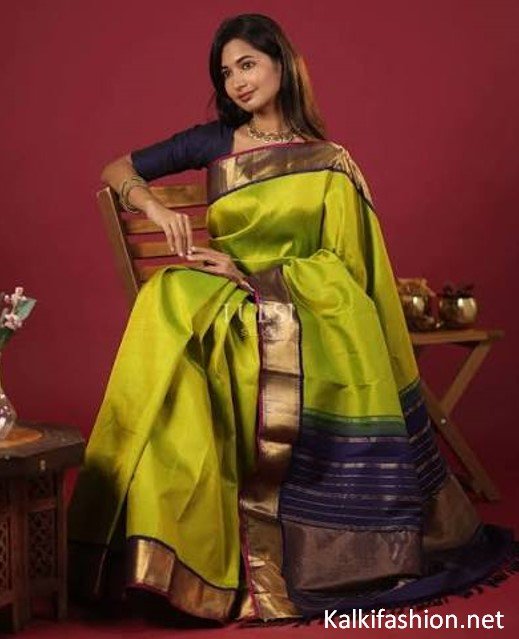
A Kanjivaram silk saree (also known as a Kanchipuram saree) is a handwoven silk drape made in the historic town of Kanchipuram in Tamil Nadu, India. It is woven from pure mulberry silk threads and features intricate borders and pallus crafted from pure gold or silver zari.
These sarees are famous for their heavy weight, brilliant luster, and vibrant color contrasts. Unlike regular printed sarees, the designs on a Kanjivaram are woven directly into the fabric. The government of India recognized the uniqueness of this craft in 2005 by granting it a Geographical Indication (GI) tag. This means only sarees handwoven in the Kanchipuram region can legally use the name.
The thick silk and dense weaving make these sarees highly durable. It is common for Indian families to preserve a Kanchipuram saree for over fifty years without the fabric losing its natural sheen.
The Rich History and Heritage
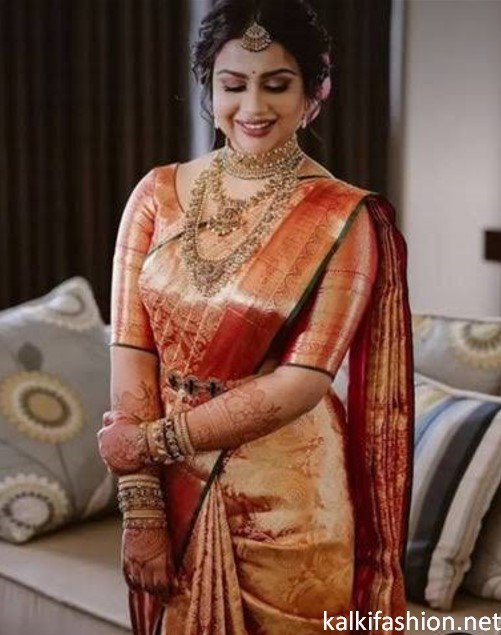
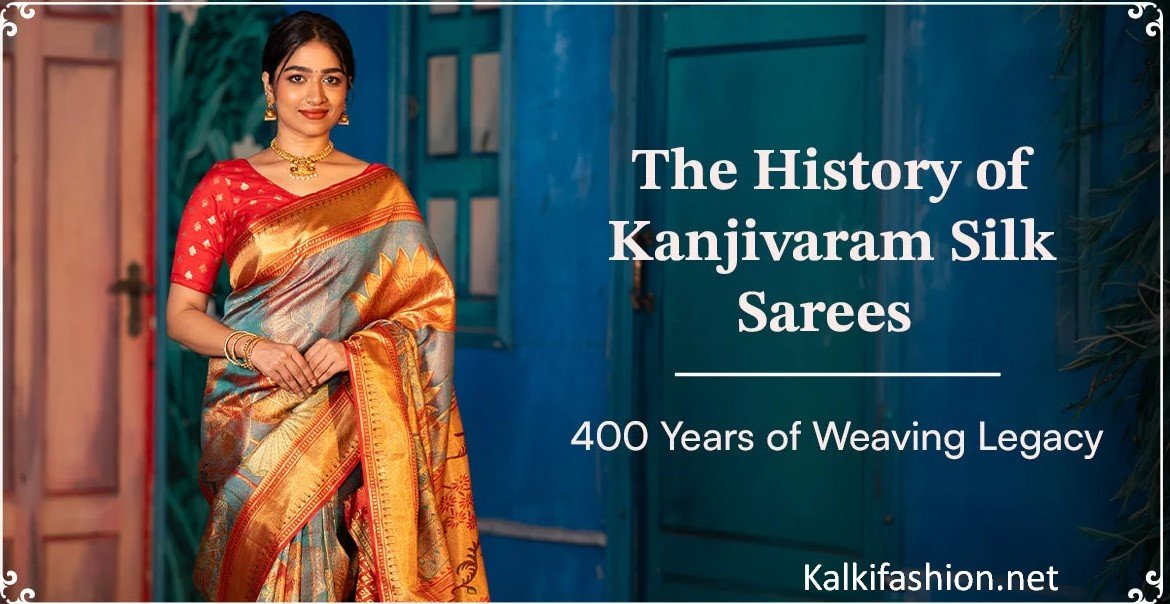
The story of the Kanjivaram silk saree dates back over 400 years to the reign of the Chola dynasty. According to Hindu mythology, the Kanchi silk weavers are descendants of Sage Markandeya, the master weaver of the gods. Legend says he wove tissue from lotus fibers for Lord Shiva himself.
Historically, the craft flourished under the patronage of the Vijayanagara Empire. Two prominent weaving communities—the Devangas and the Saligars—migrated from Andhra Pradesh to Kanchipuram. They brought their exceptional weaving skills and settled in the temple town.
Because Kanchipuram was home to hundreds of ancient temples, the weavers drew inspiration from the temple architecture. They started weaving figures of gods, mythical creatures, and temple structures into the silk. The sarees were initially woven as offerings to the temple deities during major festivals.
Over time, this temple offering transformed into the favored attire for royalty. Today, it remains the most sought-after bridal saree in India, deeply rooted in Hindu traditions and South Indian culture.
How Are Kanjivaram Sarees Made?
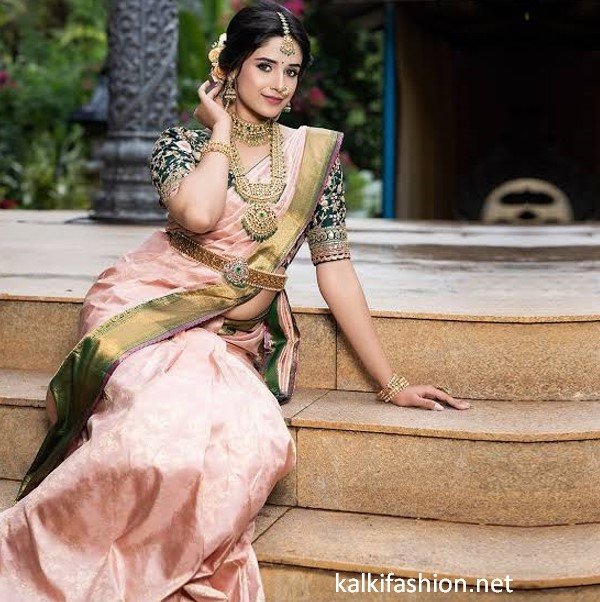
Creating a single Kanjivaram silk saree is a labor-intensive process that takes anywhere from 10 to 30 days. Some highly intricate bridal pieces can even take months to complete. Let us break down the fascinating steps involved in bringing these masterpieces to life.
Sourcing the Mulberry Silk
The journey begins with raw materials. The weavers source pure mulberry silk from Karnataka, usually from Bangalore or Mysore. This specific silk is prized for its strength and smooth texture. The silk threads are dipped in rice water and sun-dried to increase their thickness and stiffness.
Preparing the Pure Zari
The metallic threads, known as zari, give the saree its royal gleam. Authentic zari is brought in from Surat, Gujarat. The traditional zari features a silk thread core, which is wrapped in silver wire and finally dipped in pure gold. This high precious metal content is what makes authentic Kanjivaram sarees expensive.
The Dyeing Process
Before weaving, the silk yarns must be dyed. Weavers use boiling water mixed with vibrant dyes. After the yarn soaks up the deep colors, it is washed and dried in the sun. Kanjivaram sarees are famous for their bold, contrasting colors, so the body and the border are often dyed in completely different shades.
The Korvai Technique
The most unique feature of a traditional Kanjivaram saree is the Korvai technique. Because the body and the border are often different colors, they are woven separately.
Two weavers sit at opposite ends of the loom to interlock the border with the main body. They join the pieces so tightly that even if the saree tears, the border will not detach. This interlocking joint often looks like a zigzag pattern along the edge.
The Petni Technique
Similarly, the pallu (the loose end of the saree draped over the shoulder) is usually a contrasting color. Weavers use the Petni technique to join the pallu to the body. They meticulously weave the warp threads of the body into the warp threads of the pallu, creating a seamless and incredibly strong bond.
Popular Motifs and Their Meanings
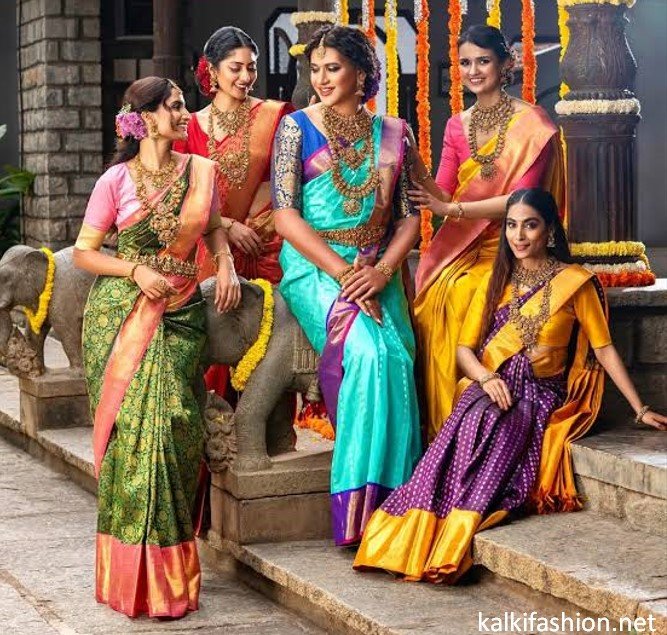
A Kanjivaram silk saree is a wearable piece of art. Every motif woven into the fabric holds a specific cultural or religious meaning. Here are the most common traditional designs you will find:
Temple Borders (Gopuram)
Inspired by the towering gates of South Indian temples, the Gopuram motif is woven as a series of interlocking triangles along the border. It symbolizes a connection to the divine and protects the wearer from negative energy.
Annapakshi (Mythical Swan)
Often confused with a peacock, the Annapakshi is a legendary bird from Hindu texts. It has the body and beak of a swan with the elegant crest of a peacock. It represents purity, prosperity, and the ability to separate truth from falsehood.
Yali (Mythical Creature)
The Yali is a fierce guardian creature frequently carved into temple pillars. It features the head of a lion, the trunk of an elephant, and the body of a horse. Woven into a saree, the Yali motif is believed to ward off evil eyes and offer protection to the bride.
Mango or Paisley (Manga)
The Manga motif is one of the most recognizable designs in Indian textiles. It represents the mango fruit, which symbolizes fertility, abundance, and sweetness. You will often see this motif heavily woven into the golden pallu.
Rudraksha
The Rudraksha bead is sacred to Lord Shiva. Weavers create small, geometric circular motifs across the border to mimic these beads. This design brings spiritual blessings and peace to the person wearing the drape.
Coin (Kasumalai)
Inspired by the traditional South Indian gold coin necklace, the Kasu motif features tiny gold circles spread across the body of the saree. It is a direct symbol of wealth, luxury, and financial prosperity.
Types of Kanjivaram Sarees
Not all Kanjivarams are heavily laden with gold. Depending on the occasion and your budget, you can choose from several stunning variations.
Pure Zari Kanjivaram
This is the classic bridal saree. It uses authentic zari made of silver and gold. These sarees are heavy, highly valuable, and retain their resale value due to the precious metals woven into them.
Half Zari or Tested Zari Kanjivaram
To make these sarees more affordable, weavers sometimes use “tested zari.” This zari has a copper core electroplated with silver and gold. It looks identical to pure zari but costs significantly less and weighs a bit less.
Thread Brocade Kanjivaram
If you prefer a subtle look without metallic shine, thread brocade sarees are perfect. Instead of gold or silver, the weavers use contrasting colored silk threads to create the motifs. These are lightweight and ideal for daytime events and office parties.
Tissue Kanjivaram
In a tissue Kanjivaram, gold or silver zari is woven throughout the entire body of the saree, not just the border. This gives the fabric an incredible, glass-like metallic shine. These are incredibly popular for evening wedding receptions.
Printed Kanjivaram
A modern twist on the classic, these sarees use pure Kanchipuram silk but feature printed designs instead of woven motifs. They are lightweight, comfortable, and offer a contemporary aesthetic for younger buyers.
Kanjivaram vs. Banarasi Silk Saree
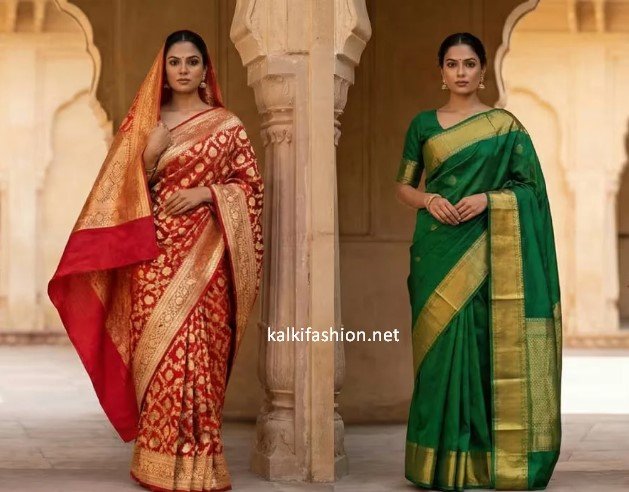
Many buyers get confused between India’s two most famous silk sarees. While both are luxurious and worn at weddings, they have distinct differences. Here is a quick comparison to help you choose.
| Feature | Kanjivaram Silk Saree | Banarasi Silk Saree |
| Origin | Kanchipuram, Tamil Nadu (South India) | Varanasi, Uttar Pradesh (North India) |
| Silk Type | Thick, heavy pure mulberry silk | Finely woven, relatively softer silk |
| Design Influence | Temple architecture, mythology, nature | Mughal architecture, florals, Islamic art |
| Color Palette | Bold, vibrant, contrasting colors | Pastel, rich, and monochrome shades |
| Weaving Technique | Korvai (interlocking borders) | Kadwa or Fekwa (continuous brocade) |
| Zari Usage | Heavy gold/silver on borders and pallu | Intricate gold/silver all over the body |
How to Identify a Pure Kanjivaram Silk Saree
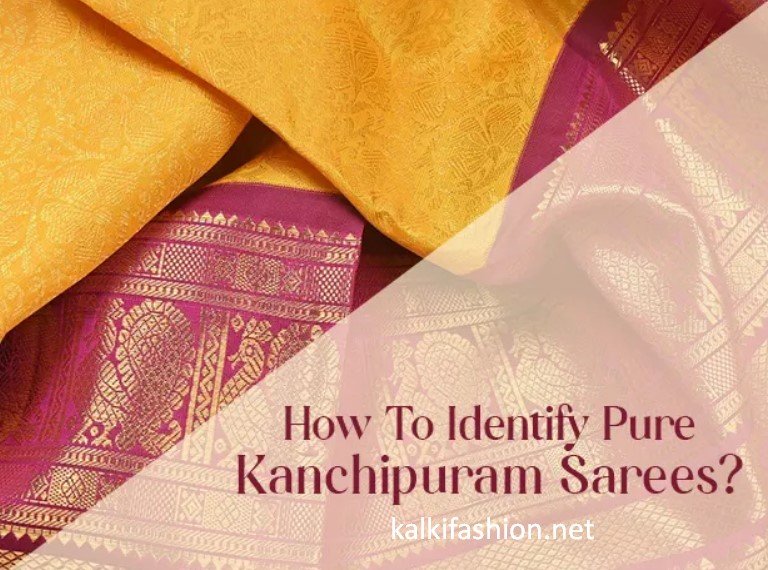
Because of their high demand, the market is full of fake power-loom copies. You must know how to check the authenticity of your purchase. Here are the easiest ways to spot a real Kanjivaram.
1. The Zari Scratch Test
The easiest way to check pure zari is to find a loose thread at the end of the pallu. Gently scratch the gold surface. If it reveals red silk underneath, the zari is authentic. If you see white or black thread, it is a fake made of synthetic materials.
2. The Burn Test (Silk Test)
Pluck a few loose threads from the body of the saree. Light them with a match. Pure mulberry silk will burn with the smell of burnt hair and leave behind a black, powdery ash. Synthetic silk will smell like burning plastic and melt into a hard, sticky bead.
3. Check the Reverse Side
Turn the saree inside out. A genuine handwoven Kanjivaram is neat on the reverse side. The Korvai technique ensures the interlocking joints are smooth. Power-loom fakes often have messy, tangled threads on the back.
4. Look for the Silk Mark and GI Tag
The Indian government provides a Silk Mark label to certify pure silk products. Additionally, authentic Kanjivaram sarees carry a GI (Geographical Indication) tag. Always ask the retailer to show you these official tags before making a high-value purchase.
5. Feel the Weight
A pure Kanchipuram pattu is notably heavy. The combination of thick mulberry silk and pure metal zari makes the fabric dense. A genuine bridal saree can easily weigh between 1.5 to 2 kilograms. If the saree feels very light and flimsy, it is likely a polyester blend.
Pros and Cons of Buying a Kanjivaram Saree
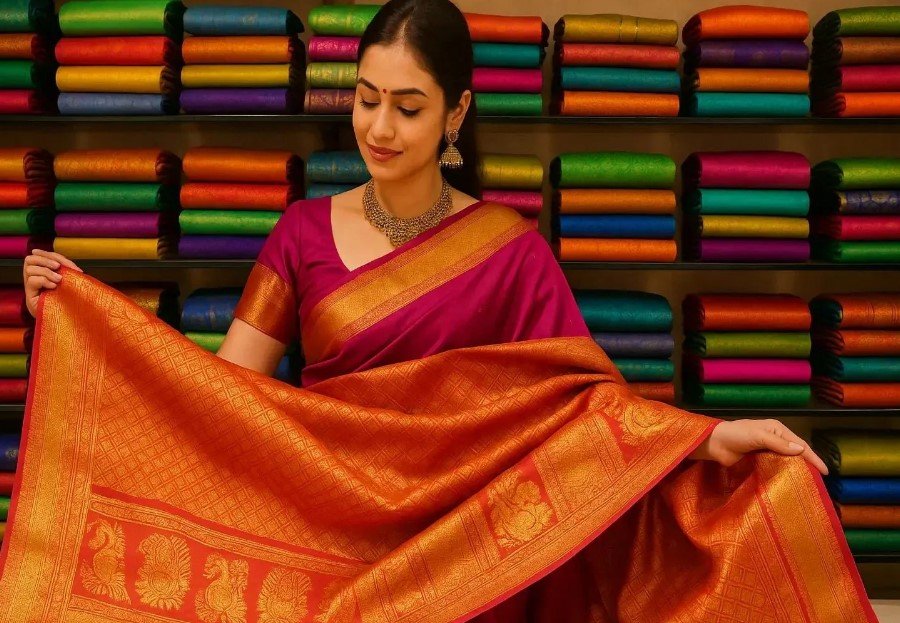
Before making a significant investment, it is helpful to weigh the advantages and minor drawbacks of these traditional drapes.
Pros:
- Timeless Elegance: They never go out of style and look culturally rich.
- Exceptional Durability: The thick silk resists tearing and lasts for decades.
- Investment Value: Pure zari sarees hold financial value due to gold and silver content.
- Versatility: They suit women of all age groups and body types.
- Heirloom Quality: You can pass them down to future generations as family treasures.
Cons:
- High Cost: Authentic sarees with pure zari are expensive, often starting around INR 15,000 and going up to lakhs.
- Heavy Weight: They can be difficult to carry for long hours if you are not used to wearing heavy traditional clothes.
- High Maintenance: They require strict dry cleaning and careful storage to prevent zari oxidation.
Styling Your Kanjivaram for Weddings and Festivals
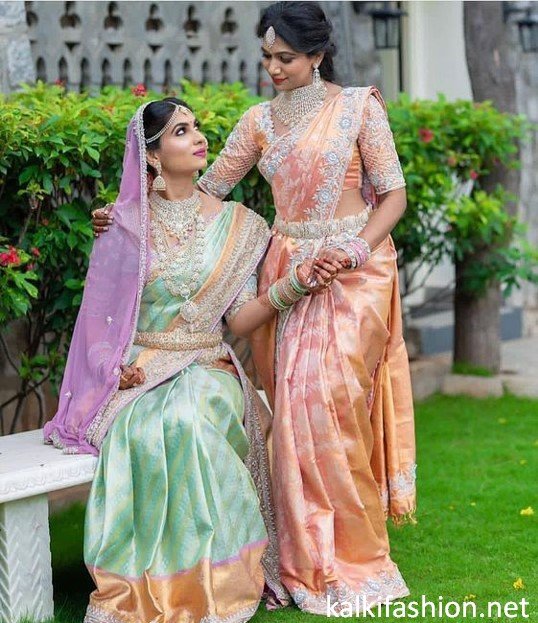
A Kanjivaram silk saree offers a fantastic canvas for styling. The way you accessorize can completely change your look from traditional to modern.
Choosing the Right Blouse
Your blouse design can make or break the outfit.
- For Brides: Go for heavily embroidered Maggam work blouses in contrasting colors. A green saree pairs beautifully with a deep pink or mustard yellow blouse.
- For a Modern Look: Pair your drape with a sleeveless or halter-neck raw silk blouse.
- For Elegance: A classic elbow-length sleeve blouse with a matching zari border is a timeless South Indian choice.
Selecting the Jewelry
Kanjivarams are bold, so they demand strong jewelry.
- Traditional: Wear antique temple jewelry, a heavy gold choker, a long Kasumalai (coin necklace), and traditional jhumkas. Do not forget the fresh jasmine flowers (gajra) in your hair.
- Contemporary: If you want a subtle look for a reception, pair the saree with diamond or Polki jewelry. A delicate diamond choker balances the heavy gold of the saree perfectly.
Draping Styles
While the standard Nivi drape (pleats in the front, pallu over the left shoulder) is universally flattering, you can experiment. For a royal look, try the traditional Madisar drape (a 9-yard drape worn by Tamil Brahmin women). Alternatively, bring the pallu over the right shoulder in a Gujarati style to showcase the heavy zari work on the chest.
How to Care for and Store Your Silk Saree
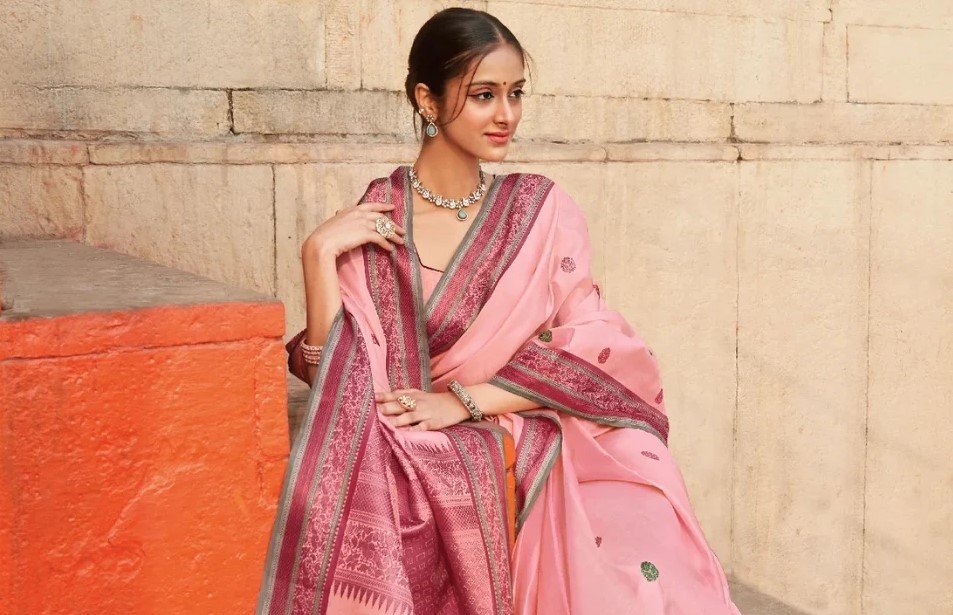
Your Kanjivaram is a delicate investment. If you treat it right, it will retain its glossy shine for a lifetime. Follow these essential care tips.
Washing and Cleaning
Never wash your pure silk saree at home. Water and regular detergents will instantly ruin the silk fibers and tarnish the zari. Always take it to a professional dry cleaner who specializes in premium silks. If you spill food or liquid, wipe it gently with a dry cloth and take it to the cleaners immediately.
Airing it Out
After wearing the saree, do not fold it and put it in the cupboard right away. Hang it on a hanger in a shaded, well-ventilated room for a few hours. This allows any sweat or moisture to evaporate, preventing bad odors and fungal growth. Avoid direct sunlight, as UV rays will fade the vibrant dyes.
Proper Folding Technique
Always fold your silk sarees with the zari facing inward. This prevents the metal threads from rubbing against each other and fraying. To avoid deep, permanent creases, make sure to take your sarees out of the closet every three to four months and refold them along different lines.
Safe Storage
Store your Kanjivaram in a pure cotton or muslin cloth bag. These breathable fabrics protect the silk from dust while allowing air circulation. Never use plastic covers, as they trap moisture and cause the zari to turn black. Place dry neem leaves or silica gel pouches in your wardrobe to keep silverfish and insects away. Do not spray perfumes directly on the saree, as the alcohol will permanently stain the silk.
Frequently Asked Questions (FAQs)
1. Why are Kanjivaram silk sarees so expensive?
They are expensive because they are handwoven using 100% pure mulberry silk and authentic zari made of silver coated with gold. The intricate manual labor, which can take weeks, also adds to the cost.
2. Can I wear a Kanjivaram saree for a daytime event?
Yes. For daytime events, choose lighter pastel colors like peach, mint green, or sky blue. Opt for thread brocade or half-zari sarees, which are lighter and less reflective under sunlight.
3. Does Kanjivaram silk lose its shine over time?
No, if maintained properly. Pure mulberry silk has a natural luster that lasts decades. However, if washed with harsh chemicals or exposed to direct sunlight for long periods, it can dull.
4. What is the difference between Kanchipuram and Kanjivaram?
There is no difference. “Kanchipuram” is the name of the town in Tamil Nadu where the sarees are made. “Kanjivaram” is simply an anglicized pronunciation of the same name. Both terms refer to the exact same saree.
5. How much does an authentic Kanjivaram saree weigh?
Because of the thick silk threads and metallic zari, a genuine handwoven piece typically weighs between 1 kilogram and 2 kilograms. Lighter versions without heavy borders may weigh around 800 grams.
6. Where is the best place to buy an authentic Kanjivaram?
The best place is directly from weavers or reputed cooperative societies in Kanchipuram town. If buying online or in other cities, always buy from certified retailers like Nalli, RmKV, or Prakash Silks, and look for the Silk Mark.
7. Can a torn silk saree be repaired?
Minor tears or loose zari threads can be repaired by expert weavers through a process called “darning.” However, major tears across the main body are very difficult to fix invisibly.
8. How do I stop the gold zari from turning black?
Zari turns black due to oxidation when exposed to moisture and air. Always store the saree in a breathable cotton bag, keep it away from perfumes, and ensure your wardrobe is completely dry.
9. Are Kanjivaram sarees only worn by brides?
While they are the top choice for South Indian brides, anyone can wear them. Older women often wear sarees with simpler borders for festivals, while younger women might choose modern motifs for parties and cultural events.
10. What is a “tissue” Kanjivaram saree?
A tissue saree is woven with fine silk threads interwoven with gold or silver zari across the entire body, not just the borders. This creates a fabric that looks like a continuous sheet of spun gold or silver.
Conclusion
The Kanjivaram silk saree is a masterpiece of Indian handloom heritage. It represents centuries of artistry, devotion, and cultural pride. From the heavy gold temple borders to the vibrant, contrasting silk body, every inch of this garment tells a story of the weavers of Kanchipuram.
While buying an authentic pattu saree requires a significant financial investment, the unmatched elegance and heirloom quality make it completely worthwhile. By knowing how to check for the Silk Mark, understanding the Korvai weaving technique, and performing the simple zari scratch test, you can protect yourself from counterfeit products.
Once you bring this gorgeous drape home, remember to treat it with care. Store it in cotton, keep it away from moisture, and dry clean it only. When you take the time to preserve your Kanjivaram, you are not just caring for a piece of clothing; you are preserving a timeless legacy that can be cherished by your family for generations to come.